





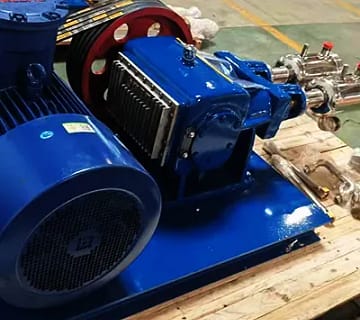
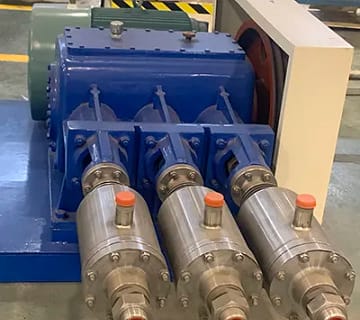
Cryogenic pumps are an essential component of many industrial gas supply systems, transferring liquefied gases from cryogenic storage tanks to vaporizers or other process equipment. They are commonly used with liquid nitrogen, liquid oxygen, liquid argon, liquid CO₂, LNG, and other cryogenic fluids.
In a complete cryogenic gas supply system, the pump works together with storage tanks, vaporizers, pressure regulation equipment, valves, piping, instrumentation, and safety devices.
The basic process is:
Cryogenic Storage → Liquid Transfer → Vaporization → Pressure Regulation → Gas Distribution → Point of Use
What Is the Role of a Cryogenic Pump in Gas Supply?
The primary role of a cryogenic pump is to provide controlled liquid transfer and pressure.
Industrial gases are often stored in liquid form because liquefaction significantly reduces their volume. When the gas is needed at the point of use, the liquid must be transferred from storage and may then be vaporized into gas.
A cryogenic pump can provide the pressure and flow required to move the liquid through this process.
Cryogenic Pump vs. Cryogenic Storage Tank
| Equipment | Primary Function |
|---|---|
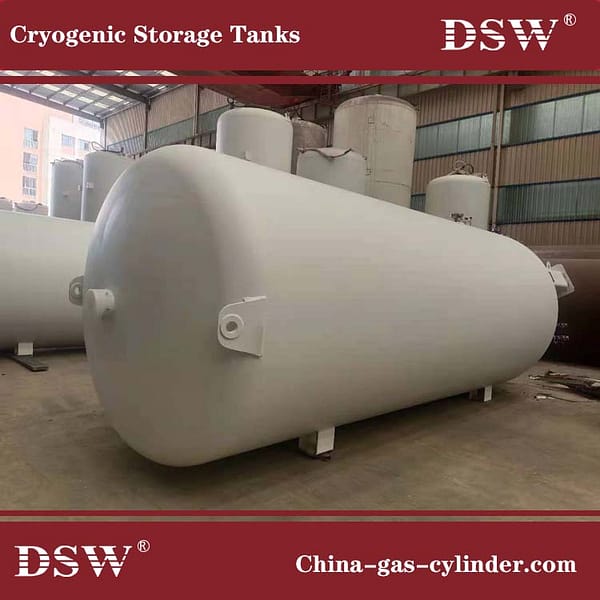
| Cryogenic Storage Tank | Stores liquefied gas |
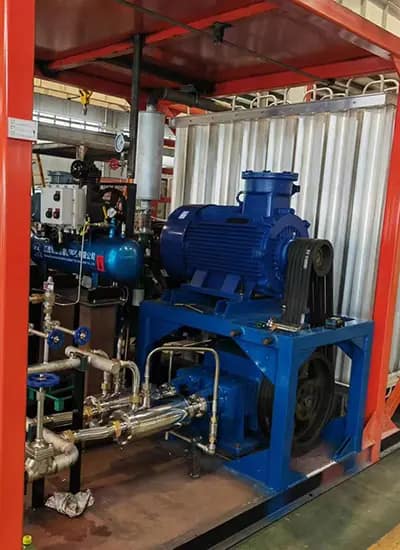
| Cryogenic Pump | Transfers and pressurizes liquid |
| Pressure-Building System | Increases or maintains storage tank pressure |
| Vaporizer | Converts liquid into gas |
| Pressure Regulator | Controls gas pressure |
| Distribution Piping | Delivers gas to the point of use |
Not every cryogenic storage installation requires a pump. However, pumps become important when the required transfer pressure, flow rate, filling process, or system configuration cannot be achieved using tank pressure or other methods alone.
Typical Cryogenic Gas Supply System
A typical bulk cryogenic gas supply system can include:
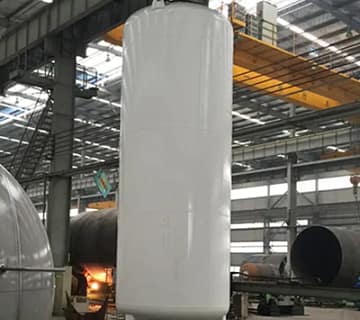
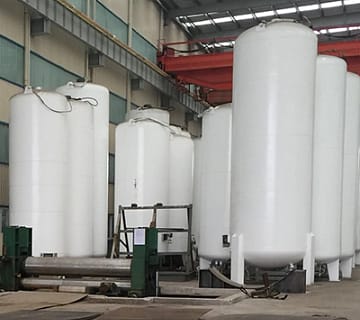
- Vacuum-insulated cryogenic storage tank
- Cryogenic liquid pump
- Cryogenic vaporizer
- Pressure regulation equipment
- Pressure-building system where required
- Isolation and check valves
- Gas manifold
- Process and distribution piping
- Instrumentation and controls
- Safety relief devices
The exact configuration depends on the gas, storage capacity, required flow, pressure, application, and local requirements.
How Does the Pump Work with a Cryogenic Storage Tank?
Step 1: Liquid Is Stored
The cryogenic liquid is stored in a vacuum-insulated tank designed for the relevant pressure and temperature conditions.
Step 2: Liquid Enters the Pump
The liquid flows from the tank into the pump suction system. Proper suction pressure and piping design are important to minimize unwanted vaporization.
Step 3: The Pump Raises Liquid Pressure
The pump provides the pressure required to overcome downstream resistance and deliver the liquid at the required flow rate.
Step 4: Liquid Is Delivered
The pressurized liquid is sent to a vaporizer, filling station, process system, or another destination.
Step 5: Liquid Becomes Gas
When gaseous supply is required, the liquid passes through a vaporizer where heat is added and the liquid changes into gas.
Step 6: Gas Pressure Is Controlled
The gas then passes through pressure regulation equipment before entering the distribution system and reaching the point of use.
Cryogenic Pumps for Liquid Nitrogen Supply
Liquid nitrogen is one of the most widely used cryogenic liquids in industry.
A cryogenic pump can transfer LN₂ from bulk storage to:
- Vaporizers
- Gas cylinder filling systems
- Process equipment
- Cooling systems
- Industrial gas distribution systems
The pump must be selected for liquid nitrogen’s operating temperature and the required flow and pressure conditions.
Cryogenic Pumps for Liquid Oxygen Supply
Liquid oxygen is used for medical and industrial oxygen supply.
LOX pumping systems require particular attention to material compatibility, cleanliness, sealing, ignition risk, and oxygen-service procedures.
Equipment should be specifically evaluated for oxygen service rather than assuming that a general-purpose cryogenic pump is suitable.
Cryogenic Pumps for Liquid Argon Supply
Liquid argon is widely used for welding, metal fabrication, industrial processing, and other applications.
Cryogenic pumps can transfer LAr from bulk storage to vaporizers, filling equipment, or industrial gas distribution systems.
Cryogenic Pumps for Liquid CO₂ Supply
Liquid CO₂ is used in industrial processing, food and beverage applications, and other commercial processes.
Pump selection for LCO₂ should consider operating pressure, temperature, flow, material compatibility, and the specific requirements of the CO₂ system.
Cryogenic Pumps for LNG Supply
LNG applications often require specialized cryogenic pumps for transfer and pressure boosting.
Depending on the system, an LNG pump may transfer LNG from storage to:
- Vaporizers
- High-pressure LNG systems
- Fueling equipment
- Vehicle fueling stations
- Industrial gas supply systems
For packaged applications, the pump can be integrated into an LNG booster skid together with piping, valves, instrumentation, controls, and safety equipment.
Cryogenic Pump for Cylinder Filling
Cryogenic pumps can be incorporated into industrial gas cylinder filling systems.
A typical process may be:
Bulk Storage Tank → Cryogenic Pump → Filling Manifold → Cylinders
The design must account for the specific gas, filling method, pressure, flow rate, cylinder requirements, and applicable regulations.
Cryogenic Pump for Microbulk Gas Supply
Microbulk systems provide on-site storage and supply of liquefied gases without relying exclusively on individual high-pressure cylinders.
Depending on the system design, a cryogenic pump may be used to transfer liquid from the microbulk storage tank to a vaporizer, filling equipment, or other downstream equipment.
Learn more about cryogenic microbulk tanks and systems.
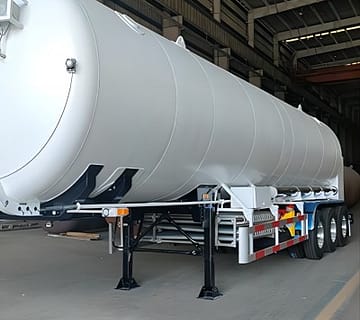
Cryogenic Pump for Tank and Trailer Transfer
Cryogenic pumps can also support the transfer of liquefied gases between transport equipment and stationary storage systems.
For example:
Cryogenic Tank Trailer → Transfer System → Stationary Storage Tank
or:
ISO Tank → Cryogenic Transfer System → Storage Tank
The pump and transfer system must be designed around the required flow, pressure, connection arrangement, liquid properties, and operating procedures.
Why Pump Selection Matters
Different applications require different pump configurations.
Understanding the types of cryogenic pumps available can help determine the appropriate flow rate, discharge pressure, installation method, and operating requirements.
An incorrectly selected pump can cause unstable operation, insufficient flow, excessive vaporization, cavitation, increased maintenance, or inadequate downstream pressure.
Important selection parameters include:
- Gas type
- Liquid temperature
- Storage pressure
- Pump suction pressure
- Required flow rate
- Required discharge pressure
- Elevation difference
- Piping length and pressure loss
- NPSH requirements
- Operating cycle
- Material compatibility
- Oxygen-service requirements
- Applicable codes and regulations
Cryogenic Pump and Vaporizer Selection
The pump and vaporizer should be considered together.
If the pump supplies a vaporizer, the pump must provide sufficient flow and pressure for the vaporizer and downstream gas system.
For example:
Pump Capacity → Vaporizer Capacity → Gas Flow Requirement
The system should also account for peak demand, operating pressure, ambient conditions, pressure losses, and the required gas delivery pressure.
Cryogenic Pump System Safety
Cryogenic gas supply systems require appropriate engineering controls because they combine very low temperatures, pressurized fluids, and potentially hazardous gases.
Depending on the gas and application, safety considerations may include:
- Pressure relief protection
- Appropriate isolation valves
- Compatible materials
- Proper insulation
- Controlled cooldown procedures
- Suitable ventilation
- Gas detection where required
- Oxygen-service cleanliness for LOX
- Emergency shutdown provisions
- Applicable local regulatory requirements
Complete Cryogenic Gas Supply Solution
A cryogenic pump is only one component of a complete gas supply system.
A complete installation may combine cryogenic storage solutions, cryogenic pumps, vaporizers, pressure regulation, piping, controls, and safety equipment.
The system should be designed around the customer’s actual gas demand rather than selecting individual components independently.
TECHNICAL FAQs
FAQs About Cryogenic Pumps for Gas Supply Systems
Yes. Cryogenic pumps are commonly used in industrial gas supply systems to transfer and pressurize liquefied gases before vaporization, filling, or downstream distribution.
A cryogenic pump is not primarily a storage device. The storage tank stores the liquefied gas, while the pump transfers and pressurizes the liquid. The pump can, however, be an important component of a complete cryogenic storage and supply system.
No. A cryogenic pump transfers or pressurizes liquid, while a vaporizer converts the liquid into gas. They often work together in a cryogenic gas supply system.
Not necessarily. Pump design, materials, seals, temperature range, pressure rating, cleanliness requirements, and safety considerations must be evaluated for the specific cryogenic fluid.
Yes. Depending on the system design, a cryogenic pump can transfer liquid from a microbulk storage tank to downstream equipment such as vaporizers or filling systems.
Yes. Specialized LNG pumps are used for LNG transfer, pressure boosting, fueling, and vaporization systems.
Conclusion
Different cryogenic pump designs serve different applications. Centrifugal pumps are commonly associated with higher-flow transfer, while reciprocating pumps can be suitable for higher-pressure applications. Submerged configurations can provide favorable suction conditions, while pump skids integrate pumping equipment into a more complete package.
The best pump should be selected based on the cryogenic fluid, temperature, flow rate, pressure, suction conditions, installation configuration, and overall system requirements.


No comment