
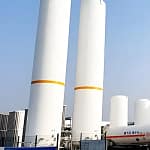
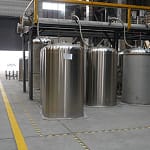
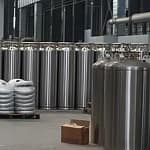
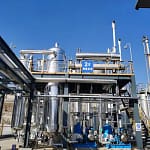


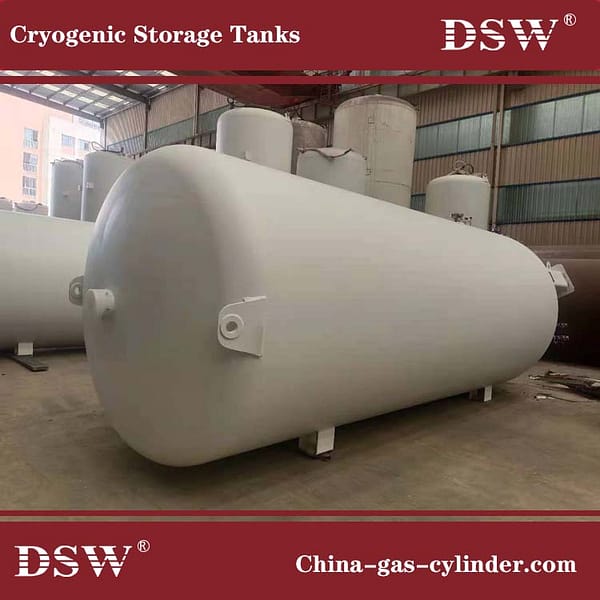

Industrial gas supply systems integrate industrial gas storage systems, vaporization equipment, pressure regulation equipment, and distribution components to provide a reliable and continuous gas supply.
Depending on gas type, consumption, pressure, and operating requirements, a system may combine gas cylinders, bulk storage tanks, cryogenic tanks, vaporizers, pressure regulation equipment, manifolds, piping, valves, filtration, and monitoring instruments.
A properly designed industrial gas supply system provides a reliable gas supply while maintaining the required pressure, flow rate, purity, storage capacity, and operational safety. DSW supplies gas storage and handling equipment for industrial gas applications, including gas cylinders, cryogenic tanks, and related cryogenic equipment.
What Is an Industrial Gas Supply System?
An industrial gas supply system is the integrated infrastructure used to receive, store, condition, control, and deliver gases from a supply source to one or more points of use. The configuration depends on whether the gas is supplied as a compressed gas, liquefied gas, or cryogenic liquid.
A typical system can include:
- Gas cylinders or bulk storage tanks
- Cryogenic storage tanks for liquefied gases
- Pressure-building and pressure-regulation equipment
- Cryogenic vaporizers
- Gas manifolds and valve assemblies
- Gas piping and distribution networks
- Filters and purification equipment
- Flow meters and pressure instrumentation
- Safety valves and pressure-relief devices
- Control, monitoring, and alarm systems
The objective is not simply to store gas. The complete system must deliver the required gas at the required pressure, flow, purity, temperature, and availability for the intended application.
How Does an Industrial Gas Supply System Work?
Although system configurations vary, the basic process follows a common sequence: gas enters the facility, is stored or received from a supply source, passes through pressure and flow-control equipment, and is distributed through piping to the points of use.
- Gas supply: Gas is supplied from cylinders, bulk tanks, cryogenic tanks, tube trailers, or an on-site generation system.
- Storage: The gas is stored in equipment selected according to gas properties, capacity, pressure, temperature, and consumption.
- Pressure control: Regulators or pressure-control assemblies reduce and maintain pressure at the required operating level.
- Vaporization: Liquefied gases are converted into gas when required using suitable vaporizers.
- Distribution: Gas travels through manifolds, valves, and piping to the required production areas.
- Monitoring: Pressure, flow, level, temperature, and other operating parameters can be monitored to maintain stable supply.
- Point of use: Gas is delivered to equipment or processes at the specified pressure, flow rate, and purity.
Main Types of Industrial Gas Supply Systems
Industrial gas supply systems can be classified according to the gas source, storage method, supply arrangement, and application requirements.
Compressed Gas Supply Systems
Compressed gas systems use high-pressure cylinders, cylinder manifolds, or other compressed-gas storage equipment. They are commonly used where gas consumption is relatively low to moderate or where flexible cylinder-based supply is required.
Typical components include cylinders, cylinder valves, manifolds, pressure regulators, changeover systems, piping, and point-of-use regulators.
Bulk Gas Supply Systems
Bulk gas systems use larger storage vessels to supply industrial facilities with higher and more continuous gas demand. Bulk storage can reduce the frequency of cylinder replacement and provide a more centralized supply arrangement.
Depending on the gas, bulk systems may use atmospheric-temperature pressure vessels, vacuum-insulated cryogenic tanks, or other purpose-designed storage equipment.
Cryogenic Gas Supply Systems
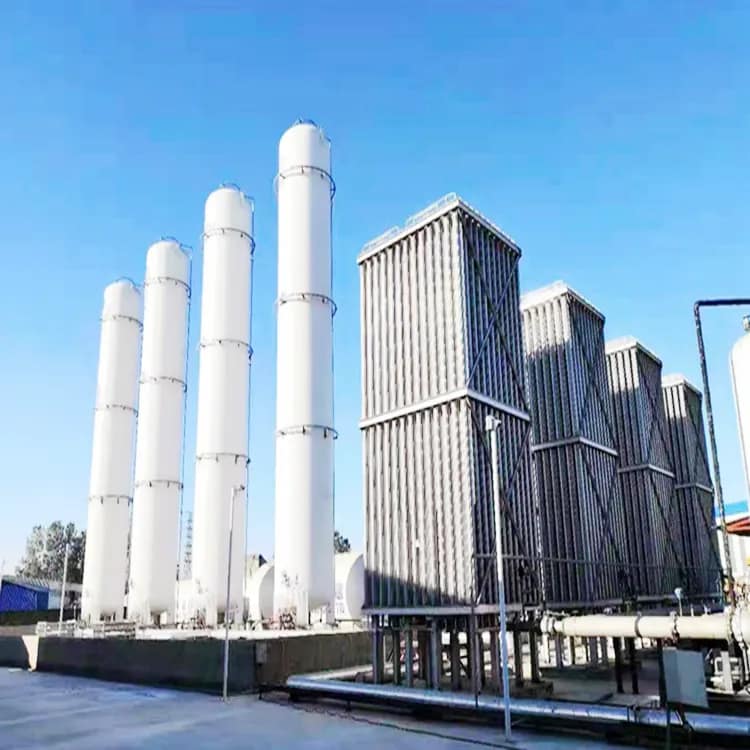
Cryogenic supply systems store gases such as nitrogen, oxygen, and argon in liquid form at very low temperatures. A typical system includes a vacuum-insulated storage tank, pressure-building system, vaporizer, pressure-control equipment, and distribution piping.
Learn more about cryogenic storage systems and cryogenic equipment.
On-Site Gas Supply Systems
On-site systems generate or condition gas at or near the point of consumption. They can reduce dependence on delivered cylinders or bulk liquid supply and may be suitable where gas demand is continuous and predictable.
The appropriate configuration depends on gas demand, purity requirements, operating pressure, available utilities, installation conditions, and required redundancy.
Key Components of an Industrial Gas Supply System
The components of an industrial gas supply system should be selected as an integrated system rather than as independent pieces of equipment.
1. Gas Storage Equipment
Storage equipment provides the gas reserve required for the application. Depending on the gas and consumption level, this may include gas cylinders, bulk storage vessels, cryogenic tanks, microbulk tanks, or Dewar cylinders.
2. Gas Manifolds
Gas manifolds connect multiple cylinders or supply sources to a common outlet. They can support automatic or manual source changeover and help maintain a more continuous gas supply.
3. Pressure Regulators
Pressure regulation equipment reduces supply pressure to the level required by downstream equipment and helps maintain stable operating conditions.
4. Cryogenic Vaporizers
When a liquefied cryogenic gas is supplied as a liquid, a vaporizer converts the liquid into gas before or during distribution. Vaporizer capacity should be matched to the required flow rate and operating conditions.
5. Piping and Valves
Distribution piping transfers gas from the storage or supply point to the points of use. Valves provide isolation, control, and maintenance functions throughout the system.
6. Filtration and Purification
Where gas purity is critical, filtration or purification equipment may be incorporated into the supply system. The required treatment depends on the gas specification and process requirements.
7. Instrumentation and Monitoring
Pressure gauges, flow meters, level indicators, temperature sensors, alarms, and other instruments provide information required to operate and maintain the system.
8. Safety and Pressure-Relief Equipment
Pressure-relief devices, isolation valves, alarms, and other protective equipment help manage abnormal operating conditions. The final safety configuration should be determined according to the gas properties, equipment design, applicable codes, and site requirements.
Looking for Custom Cryogenic Storage Solutions?
For project consultation and customized engineering solutions, or if you want to reduce operational expenses and ensure uninterrupted gas supply, contact us today.
Industrial Gas Supply System Design
System design should begin with the actual gas consumption and process requirements rather than starting with a particular tank or cylinder size.
1. Determine Gas Consumption
Establish average and peak gas consumption for each application. Where demand varies significantly, the peak flow rate should be considered when sizing downstream equipment.
2. Define Gas Purity Requirements
Determine the required gas purity and identify whether filtration, purification, or specialized components are necessary. Gas purity requirements can vary significantly between general industrial processes and high-purity applications.
3. Determine Operating Pressure
Define the pressure required at each point of use and the allowable pressure range. The supply pressure must be sufficient to overcome pressure losses through regulators, piping, valves, and other components.
4. Select the Storage Method
Select cylinders, bulk storage, cryogenic storage, microbulk storage, or another supply method based on consumption, delivery frequency, available space, operating pressure, gas properties, and required reserve capacity.
5. Size Vaporizers and Pressure-Control Equipment
For liquefied gases, vaporizer capacity should accommodate the required continuous and peak gas flow. Pressure-control equipment should also be selected for the expected inlet pressure and downstream operating range.
6. Design the Distribution Network
Distribution piping should be designed around required flow, pressure drop, pipe length, gas properties, connection points, and future expansion requirements.
7. Consider Redundancy and Gas Supply Continuity
Critical processes may require backup storage, dual supply sources, automatic changeover, reserve capacity, or other measures to reduce the risk of supply interruption.
8. Define Safety and Monitoring Requirements
Identify isolation points, pressure relief, alarms, ventilation, gas detection where applicable, emergency procedures, and other site-specific safety measures during system design.
Gas Supply System Configuration
| Supply Method | Typical Equipment | Typical Application |
|---|---|---|
| Cylinder Supply | Gas cylinders, manifolds, regulators, piping | Small to moderate gas demand |
| Bulk Gas Supply | Bulk storage tank, pressure-control equipment, piping | Continuous industrial gas consumption |
| Cryogenic Supply | Cryogenic tank, vaporizer, pressure regulation, piping | High-volume liquid gas applications |
| Microbulk Supply | Microbulk tank, vaporizer, controls, distribution | Medium-volume gas consumption |
| On-Site Supply | Gas generation or conditioning equipment, storage, controls | Continuous or high-demand applications |
Industrial Gases Commonly Used in Supply Systems
Industrial gas supply systems can be configured for different gases depending on process requirements.
Nitrogen
Nitrogen is widely used for inerting, blanketing, purging, heat treatment, food processing, electronics manufacturing, and other industrial processes. It may be supplied as compressed nitrogen or liquid nitrogen.
For liquid nitrogen applications, see our liquid nitrogen supply information.
Oxygen
Industrial oxygen is used in metal processing, combustion enhancement, cutting, chemical processing, wastewater treatment, and other applications. Higher-volume oxygen users may use bulk liquid oxygen storage and vaporization systems.
Argon
Argon is commonly used as an inert shielding gas in welding and metal fabrication and in other controlled-atmosphere applications. It can be supplied in cylinders or through bulk and cryogenic systems depending on consumption.
See our argon gas supply information for more details.
Carbon Dioxide
Carbon dioxide is used in food and beverage processing, welding, water treatment, chemical processing, and other industrial applications. Supply methods can include cylinders, bulk liquid CO2 storage, and other dedicated systems.
Industrial Gas Distribution Systems
A gas distribution system connects the primary supply source with multiple points of use. The distribution network may include headers, branch lines, isolation valves, regulators, filters, flow meters, and point-of-use connections.
Good distribution-system design should account for:
- Required gas flow rate
- Operating and inlet pressure
- Pressure drop
- Pipe length and routing
- Number and location of points of use
- Gas compatibility with system materials
- Required gas purity
- Future expansion
- Isolation and maintenance requirements
- Safety and emergency shutoff requirements
The distribution network should be designed as part of the overall supply system rather than treated as an independent piping installation.
Industrial Gas Supply Applications
Industrial gas supply systems support many industries where reliable gas availability is essential to production or process control.
| Industry | Typical Gas Supply Applications |
|---|---|
| Chemical Processing | Inerting, blanketing, purging, process gases |
| Air Separation | Nitrogen, oxygen, argon storage and distribution |
| Welding & Metal Fabrication | Argon, oxygen, CO2, shielding and cutting gases |
| Food & Beverage | Modified-atmosphere packaging, carbonation, freezing and inerting |
| Electronics Manufacturing | High-purity and specialty gas supply |
| Healthcare | Medical gas storage and distribution systems |
| Construction | Welding, cutting, heating, and fabrication gases |
Explore more applications through our industrial gas industry solutions.
Industrial Gas Supply System Safety
Gas supply systems should be designed, installed, operated, and maintained according to the properties of the gas and the requirements applicable to the installation.
Important considerations can include:
- Correct material compatibility
- Pressure rating of components
- Pressure-relief protection
- Proper ventilation
- Gas detection where required
- Safe cylinder and tank handling
- Isolation and emergency shutoff
- Leak detection and inspection
- Clear identification of gas lines and equipment
- Operator training and maintenance procedures
Oxygen and cryogenic systems require additional controls because oxygen supports combustion and cryogenic liquids can cause severe cold exposure and material embrittlement. System-specific safety requirements should be established using the applicable equipment standards, local regulations, and engineering requirements.
How to Choose an Industrial Gas Supply System
The appropriate system depends on the relationship between gas demand, storage requirements, delivery method, operating conditions, and site constraints.
| Selection Factor | What to Consider |
|---|---|
| Gas Type | Gas properties, phase, purity, compatibility, and safety requirements |
| Consumption | Average demand, peak demand, and future demand |
| Operating Pressure | Required pressure at the point of use and allowable pressure drop |
| Storage Capacity | Required operating reserve and delivery frequency |
| Supply Continuity | Backup supply, redundancy, and automatic changeover requirements |
| Available Space | Equipment footprint, access, installation area, and future expansion |
| Installation Requirements | Piping, utilities, ventilation, foundations, access, and safety provisions |
Industrial Gas Supply Systems vs. Cylinder Supply
Cylinder supply remains practical for many applications, particularly where consumption is relatively low or gas requirements vary. Larger industrial facilities may benefit from bulk, cryogenic, microbulk, or other centralized supply systems when demand is continuous.
The right choice depends on total gas consumption, delivery frequency, required reserve, operating pressure, installation conditions, and the economics of the supply method.
For more information about cylinder-based storage and supply, see the Gas Cylinders Guide.
Related Gas Storage and Supply Solutions
Industrial gas supply systems often combine multiple equipment types. DSW provides information and solutions covering gas storage, cryogenic equipment, and gas transportation.
- Gas Cylinders – Compressed gas storage and cylinder-based supply
- Cryogenic Tanks – Bulk storage of liquefied industrial gases
- Cryogenic Storage Systems – Integrated cryogenic storage and supply infrastructure
- Cryogenic Equipment – Equipment used for storage, vaporization, transfer, and control
- Gas Transport Solutions – Transportation and delivery equipment for industrial gases
- Industrial Gas Storage – Storage methods, equipment, and system considerations
Why Choose DSW for Industrial Gas Supply Equipment?
Industrial gas systems require equipment that is compatible with the gas, operating pressure, temperature, flow requirements, and intended application. DSW supports industrial gas projects with gas storage and handling equipment for compressed and cryogenic gases.
- Industrial gas equipment experience: Solutions covering gas cylinders, cryogenic tanks, and related equipment.
- Application-oriented engineering: Equipment selection can be considered according to gas type, capacity, pressure, and operating requirements.
- Multiple supply configurations: Equipment can support cylinder, bulk, cryogenic, and other industrial gas supply arrangements.
- International project support: Equipment can be prepared for industrial gas projects and export applications.
- Integrated system approach: Storage, vaporization, pressure control, distribution, and transportation can be considered as connected parts of the gas supply chain.
Related Industrial Gas Supply
About Industrial Gas Supply Systems
Cryogenic Equipment & Components
Safety & Standards
Industrial Gas Supply System Engineering
A reliable gas supply system begins with a clear understanding of the gas, consumption profile, pressure requirements, storage capacity, delivery method, and installation environment. The storage vessel is only one part of the system; regulators, vaporizers, manifolds, piping, valves, instrumentation, and safety equipment must work together to provide stable and controlled gas delivery.
For new projects or system upgrades, DSW can help identify suitable gas storage and handling equipment based on the application requirements.
