
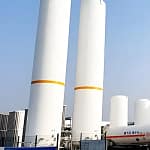
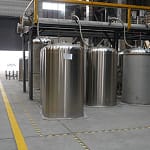

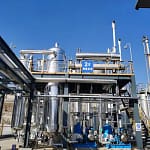


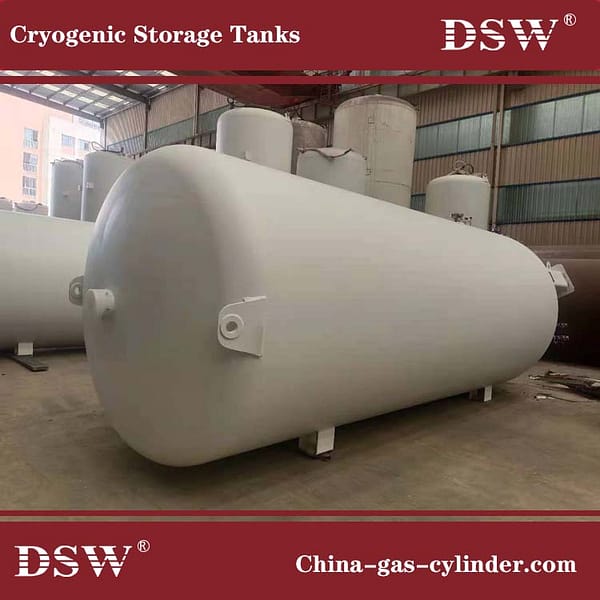

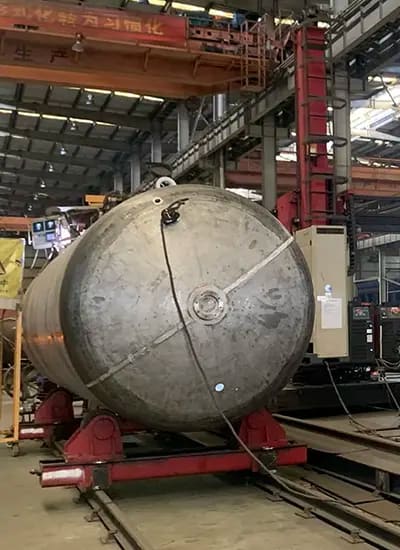
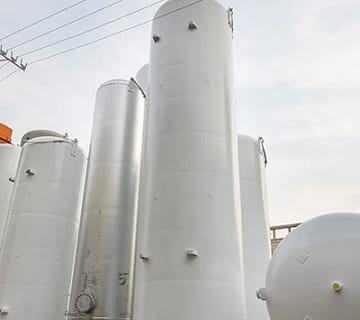
Cryogenic liquid tanks require reliable corrosion protection to ensure long-term safety and performance.
Operating with liquids such as liquid nitrogen (LIN), liquid oxygen (LOX), liquid argon (LAr), LNG, and liquid CO₂ (LCO₂) at extremely low temperatures, these pressure vessels must withstand thermal cycling, moisture exposure, and industrial environments.
Proper material selection, vacuum insulation, welding quality, and regular inspection are essential factors in preventing corrosion and extending the service life of cryogenic storage tanks.
What Causes Cryogenic Tank Corrosion?
Although cryogenic tanks are designed for demanding operating conditions, corrosion can still occur due to material selection, external environmental exposure, and improper maintenance.
1. Stainless Steel Material Selection for Cryogenic Tanks
The material used in a cryogenic vessel directly affects its corrosion resistance, durability, and low-temperature performance.
Most cryogenic liquid tanks use stainless steel because it provides excellent corrosion resistance, high strength at low temperatures, and good compatibility with industrial gases.
| Tank Component | Common Material | Corrosion Protection |
|---|---|---|
| Inner Vessel | 304L / 316L Stainless Steel | Excellent resistance to cryogenic media and corrosion |
| Outer Shell | Stainless Steel or Carbon Steel | Protected by surface treatment and coatings |
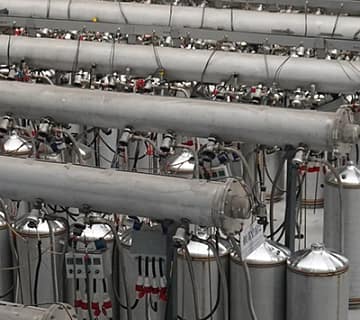
| Piping and Valves | Stainless Steel | Maintains reliability under low-temperature conditions |
Unlike conventional storage tanks, cryogenic inner vessels normally have low corrosion risk because the stored liquids are clean and controlled. However, selecting the correct material remains critical, especially for oxygen, CO₂, and LNG applications.
2. External Corrosion Protection
The external surface of a cryogenic tank may be exposed to humidity, condensation, salt spray, and industrial chemicals. These factors can gradually damage exposed metal surfaces if proper protection is not applied.
Common methods to reduce external corrosion include:
- Using corrosion-resistant materials
- Applying suitable protective coatings
- Maintaining effective insulation performance
- Preventing water accumulation around tank supports
For tanks installed in coastal areas, chemical plants, or harsh industrial environments, additional corrosion protection measures may be required.
3. Vacuum Insulation and Moisture Prevention
Cryogenic storage tanks typically use double-wall construction with vacuum insulation or vacuum multi-layer insulation (MLI) to reduce heat transfer and improve efficiency.
A properly maintained vacuum insulation system helps:
- Reduce moisture penetration
- Prevent condensation on cold surfaces
- Maintain stable storage temperatures
- Extend the service life of the tank
Loss of vacuum performance can increase heat transfer and create conditions that accelerate external corrosion. Learn more about
vacuum insulation technology in cryogenic tanks.
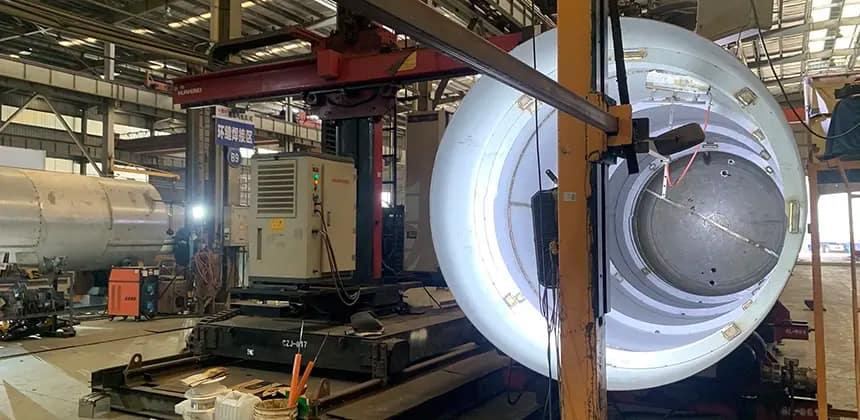
4. Welding Quality and Surface Treatment
Welding areas are critical parts of cryogenic tanks because poor welding quality may reduce corrosion resistance and structural reliability.
Professional cryogenic tank manufacturing requires:
- Qualified welding procedures
- Suitable stainless steel welding materials
- Non-destructive testing and inspection
- Proper cleaning and surface passivation
High-quality welding and surface treatment help maintain the protective properties of stainless steel and reduce the risk of corrosion during long-term operation.
5. Inspection and Maintenance of Cryogenic Tanks
Regular inspection and preventive maintenance are important for ensuring safe operation and avoiding corrosion-related failures.
Recommended inspection procedures include:
- Visual inspection: Check for rust marks, discoloration, damaged coatings, or moisture accumulation.
- Vacuum monitoring: Verify that insulation performance remains within the designed range.
- Leak testing: Identify possible weld defects, seal problems, or structural damage.
- Environmental management: Keep the installation area clean, dry, and properly drained.
DSW Cryogenic Tank Corrosion Protection
DSW designs and manufactures vacuum insulated cryogenic tanks for industrial gas applications, including liquid nitrogen (LIN), liquid oxygen (LOX), liquid argon (LAr), LNG, and liquid CO₂ storage.
Our cryogenic vessels are manufactured using corrosion-resistant materials, precision welding technology, advanced insulation systems, and strict quality control processes to ensure reliable long-term performance.
For more information about our cryogenic storage tanks, please contact DSW for professional solutions.
TECHNICAL FAQs
FAQs About Boil-Off Gas (BOG) In Cryogenic System
Yes. Although cryogenic liquid tanks are designed for demanding low-temperature applications, corrosion can still occur due to external moisture, condensation, chemical exposure, improper maintenance, or unsuitable materials. Proper material selection, insulation, and surface protection help reduce corrosion risks.
Cryogenic tanks commonly use corrosion-resistant stainless steel materials such as 304L and 316L stainless steel. These materials provide excellent corrosion resistance, low-temperature toughness, and long-term durability for storing gases such as liquid nitrogen, liquid oxygen, liquid argon, LNG, and liquid CO₂.
Corrosion of cryogenic liquid tanks can be prevented through proper material selection, vacuum insulation maintenance, high-quality welding, surface treatment, protective coatings, and regular inspection. These measures help extend tank service life and maintain safe operation.
Stainless steel is widely used for cryogenic storage tanks because it offers excellent corrosion resistance, high strength at extremely low temperatures, good weldability, and compatibility with many cryogenic liquids.
Yes. Vacuum insulation reduces heat transfer and helps prevent condensation and moisture accumulation on cryogenic tank surfaces. Maintaining proper vacuum performance supports corrosion prevention and improves tank reliability.
Conclusion
Corrosion prevention is essential for maintaining the safety, efficiency, and service life of cryogenic liquid tanks. By combining suitable materials, effective vacuum insulation, quality manufacturing processes, and regular inspection, industries can achieve reliable long-term cryogenic storage performance.

No comment