
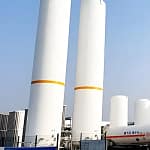
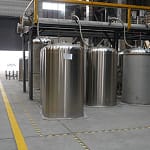
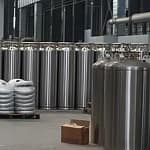
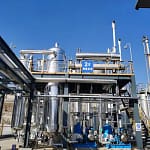


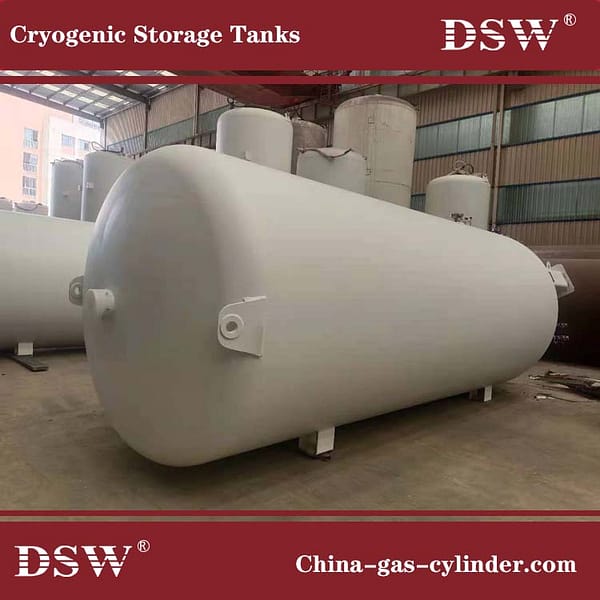

This Cryogenic Tanks Guide is a comprehensive engineering resource covering the design, construction, operation, selection, and maintenance of modern cryogenic storage tanks used for industrial gases and liquefied products. Whether you are an engineer, plant manager, EPC contractor, industrial gas supplier, or procurement professional, this guide explains how cryogenic tanks work, the different tank types, engineering principles, international standards, and best practices for selecting the right cryogenic storage solution.
Cryogenic tanks are highly engineered vacuum-insulated pressure vessels designed to safely store, transport, and distribute liquefied gases at extremely low temperatures. By maintaining these gases in liquid form, cryogenic storage dramatically reduces volume, lowers transportation costs, improves supply efficiency, and provides a reliable source of industrial gases for continuous production.
Today, cryogenic storage systems support thousands of industrial facilities worldwide, including steel mills, semiconductor fabs, hospitals, food processing plants, LNG terminals, laboratories, aerospace facilities, pharmaceutical manufacturers, and clean energy projects. Compared with traditional high-pressure gas cylinders, cryogenic tanks provide greater storage capacity, improved operational safety, lower handling requirements, and significantly reduced operating costs for medium- and high-volume gas users.
This guide also serves as the central knowledge hub for our cryogenic engineering resources. Throughout this article, you will find practical guidance on cryogenic tank components, vacuum insulation technology, manufacturing processes, international standards, sizing methods, installation requirements, maintenance procedures, and industry-specific applications.
What Are Cryogenic Tanks?
Cryogenic tanks are specialized vacuum-insulated pressure vessels designed to safely store, transport, and distribute liquefied gases at extremely low temperatures. Unlike conventional storage vessels, cryogenic tanks must maintain temperatures well below −150°C (−238°F) while minimizing heat transfer from the surrounding environment.
These tanks are used throughout the industrial gas supply chain—from gas production plants and transportation fleets to hospitals, semiconductor fabs, laboratories, LNG terminals, hydrogen fueling stations, food processors, and aerospace facilities. Their primary purpose is to preserve gases in liquid form, where they occupy only a fraction of the volume required in their gaseous state.
*Values are approximate expansion ratios from liquid to gas phase under standard conditions.
Because liquids are dramatically denser than gases, cryogenic storage enables economical transportation and large-volume storage that would otherwise require thousands of high-pressure cylinders.
Modern cryogenic tanks are far more sophisticated than simple insulated containers. They integrate vacuum insulation, pressure-building systems, safety relief devices, instrumentation, liquid withdrawal circuits, gas withdrawal systems, and engineered piping to ensure reliable operation while minimizing product loss.
Today, cryogenic tanks have become indispensable infrastructure for industries pursuing greater efficiency, cleaner energy, and reliable gas supply.
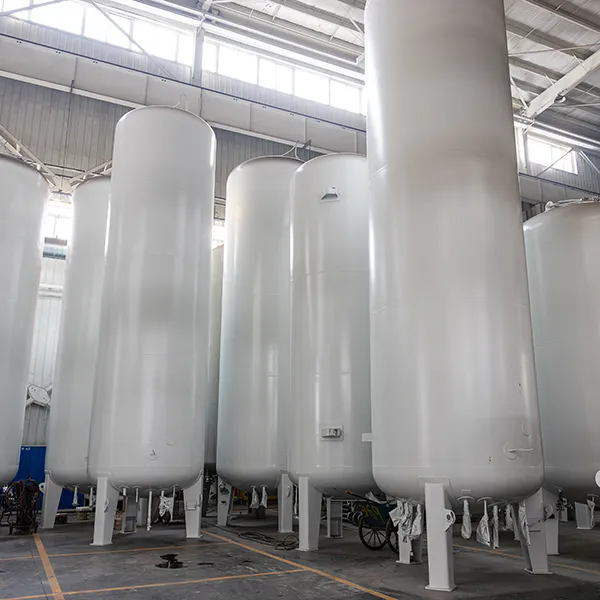
Why Cryogenic Storage Matters?
Industrial gases are essential to modern manufacturing, healthcare, energy production, scientific research, and environmental technologies.
However, storing these gases efficiently presents significant engineering challenges.
There are two primary methods of storing industrial gases:
- Compressed gas in high-pressure cylinders
- Liquefied gas in cryogenic tanks
For small consumption volumes, compressed cylinders remain practical. As demand increases, however, cylinder handling becomes expensive, labor-intensive, and inefficient.
Cryogenic storage solves these limitations by allowing gases to remain in liquid form under controlled pressure and ultra-low temperatures.
Key Benefits of Cryogenic Storage
- Much higher storage density
- Lower transportation cost per unit of gas
- Continuous gas supply
- Reduced cylinder handling
- Improved workplace safety
- Lower operating costs
- Better supply reliability
Instead of replacing dozens or hundreds of cylinders every week, facilities can install a single bulk cryogenic storage tank that supplies gas continuously through vaporizers and distribution piping.
This transition from cylinder supply to bulk cryogenic storage has transformed industries such as:
- Steel manufacturing
- Electronics
- Food freezing
- Medical oxygen systems
- LNG infrastructure
- Hydrogen energy
- Pharmaceutical production
- Aerospace testing
As industrial gas consumption continues to grow worldwide, cryogenic storage systems play an increasingly critical role in improving efficiency while reducing logistics costs and emissions.
What Is a Cryogenic Tank?
A cryogenic tank is a vacuum-insulated pressure vessel (VIP or VIV) specifically engineered to store liquefied gases at cryogenic temperatures while minimizing heat ingress and product loss.
Unlike atmospheric storage tanks used for water or chemicals, cryogenic tanks must simultaneously withstand the following:
- Extremely low temperatures
- Internal pressure
- Thermal contraction
- Cyclic filling and emptying
- Vacuum insulation requirements
- Long-term structural integrity
Basic Structure of a Cryogenic Tank
A typical cryogenic tank consists of two concentric vessels:
- Inner vessel: Contains the cryogenic liquid and is commonly fabricated from stainless steel for its toughness and corrosion resistance at low temperatures.
- Outer jacket: Usually made from carbon steel or stainless steel, it protects the insulation system and maintains the high-vacuum environment.
The annular space between these vessels is evacuated to a high vacuum and filled with insulating materials such as perlite or multi-layer insulation (MLI), dramatically reducing heat transfer.
This double-wall construction is the defining feature that distinguishes cryogenic tanks from conventional pressure vessels.
How Cryogenic Tanks Work
The double-wall construction is a fundamental aspect of cryogenic storage tank design, allowing the vessel to withstand cryogenic temperatures while minimizing heat transfer.
Even with advanced insulation, a small amount of ambient heat inevitably enters the tank. This causes a fraction of the liquid to vaporize, creating boil-off gas (BOG).
To control this process, cryogenic tanks use integrated systems such as:
- Pressure-building circuits that generate gas when additional pressure is required
- Economizer systems that use headspace gas before vaporizing more liquid
- Safety relief valves that protect the vessel from overpressure
- Vaporizers that convert liquid into gas for downstream use
- Instrumentation that continuously monitors pressure, liquid level, and operating conditions
By balancing these systems, cryogenic tanks provide a stable and efficient gas supply while keeping product losses to a minimum.
Physics of Cryogenic Storage
Storing liquids at temperatures below −150°C involves several key physical principles:
- Thermal contraction: Metals shrink at low temperatures, requiring careful material selection and stress analysis
- Phase equilibrium: Liquid and vapor coexist, with pressure governed by temperature
- Latent heat: Heat causes vaporization rather than immediate temperature rise
- Heat transfer: Heat enters through conduction, convection, and radiation
Effective cryogenic tank design minimizes heat ingress while accommodating mechanical effects of extreme cold.
Heat Transfer and Vacuum Insulation
Heat naturally flows from warmer surroundings into the colder liquid through three main paths:
- Conduction through structural supports and piping
- Convection via residual gases in the insulation space
- Thermal radiation between inner vessel and outer jacket
To reduce these effects, cryogenic tanks use:
- High-vacuum annular spaces to eliminate convection
- Low-conductivity supports to reduce conduction
- Perlite or MLI to suppress radiation heat transfer
The quality of the vacuum and insulation directly influences the tank’s static evaporation rate (SER), a key measure of storage efficiency.
Boil-Off Gas (BOG)
No cryogenic tank is perfectly insulated. A small percentage of stored liquid will always vaporize due to unavoidable heat ingress. This vaporized product is known as boil-off gas (BOG).
Depending on the system design, BOG may be:
- Returned to the process
- Used to build tank pressure
- Recondensed
- Consumed as product gas
- Safely vented through relief systems under controlled conditions
Minimizing boil-off reduces product loss, lowers operating costs, and improves overall efficiency of the storage system.
Cryogenic Liquids
Cryogenic tanks are not designed for a single product. They are engineered to safely store a wide range of liquefied gases, each with unique physical properties, boiling temperatures, pressures, material compatibility requirements, and end-use applications.
Although these liquids all require cryogenic storage, no two behave exactly alike. Differences in density, vapor pressure, flammability, purity requirements, and heat transfer characteristics significantly influence tank design, operating procedures, and safety systems.
Understanding the characteristics of each cryogenic liquid is essential for selecting the appropriate storage solution and ensuring safe, efficient operation.
Liquid Oxygen (LOX)
Liquid oxygen (LOX) is oxygen that has been cooled below its boiling point of −183°C (−297°F) at atmospheric pressure. It is one of the most widely used industrial cryogenic liquids across healthcare, manufacturing, metallurgy, aerospace, and chemical processing. Industrial facilities requiring bulk oxygen supply can use liquid oxygen tanks designed for safe storage and controlled vaporization.
Although oxygen itself is non-flammable, it is a strong oxidizer. Materials that burn slowly in air can ignite rapidly in oxygen-rich environments, requiring strict cleanliness and compatibility control.
Typical Properties
- Chemical Formula: O₂
- Boiling Point: −183°C
- Density: ~1,141 kg/m³
- Expansion Ratio: ~1:860
- Color: Pale blue liquid
- Flammability: Non-flammable (oxidizer)
Typical Applications
- Medical oxygen supply systems
- Steelmaking and basic oxygen furnaces
- Glass manufacturing
- Wastewater treatment
- Aerospace propulsion
- Oxy-fuel cutting and welding
Liquid Nitrogen (LN₂)
Liquid nitrogen is the most widely used cryogenic liquid worldwide, valued for its inertness, extremely low temperature, and low cost.
It is non-flammable and non-toxic but can displace oxygen in confined spaces, requiring proper ventilation.
Typical Properties
- Chemical Formula: N₂
- Boiling Point: −196°C
- Density: ~808 kg/m³
- Expansion Ratio: ~1:694
- Flammability: Non-flammable
Typical Applications
- Food freezing and preservation
- Semiconductor manufacturing
- Pharmaceutical production
- Biological sample storage
- Laser cutting and metal processing
Liquid Argon (LAr)
Liquid argon is an inert cryogenic liquid used primarily for shielding and protective atmospheres in industrial processes.
Typical Properties
- Chemical Formula: Ar
- Boiling Point: −186°C
- Density: ~1,395 kg/m³
- Expansion Ratio: ~1:840
Typical Applications
- TIG and MIG welding
- Stainless steel production
- Semiconductor fabrication
- Additive manufacturing
Liquid Carbon Dioxide (LCO₂)
Liquid carbon dioxide is stored under refrigerated pressure conditions and is widely used in food, beverage, and industrial applications.
Typical Properties
- Chemical Formula: CO₂
- Storage Temperature: ~−20°C to −30°C
- Density: ~1,000–1,100 kg/m³
- Flammability: Non-flammable
Applications
- Beverage carbonation
- Food preservation
- Fire suppression systems
- Dry ice production
Liquefied Natural Gas (LNG)
LNG is primarily methane cooled to approximately −162°C, reducing volume by about 600 times for efficient transportation.
Typical Properties
- Main Component: Methane (CH₄)
- Boiling Point: −162°C
- Expansion Ratio: ~1:600
- Flammability: Flammable
Applications
- Power generation
- Marine fuel
- Industrial heating
- Transport fuel
Liquid Hydrogen (LH₂)
Liquid hydrogen is stored at −253°C, requiring extreme insulation performance due to its very low boiling point and high reactivity.
Typical Properties
- Chemical Formula: H₂
- Boiling Point: −253°C
- Density: ~71 kg/m³
- Expansion Ratio: ~1:848
Applications
- Space launch systems
- Hydrogen fueling stations
- Fuel cell infrastructure
- Green hydrogen storage
Liquid Helium (LHe)
Liquid helium is the coldest commercially used cryogenic liquid at approximately −269°C, near absolute zero.
Typical Properties
- Chemical Formula: He
- Boiling Point: −269°C
- Density: ~125 kg/m³
- Flammability: Non-flammable
Applications
- MRI and NMR systems
- Particle accelerators
- Quantum computing
- Low-temperature research
Comparison of Major Cryogenic Liquids
| Liquid | Boiling Point | Flammability | Industries | Challenges |
|---|---|---|---|---|
| LOX | −183°C | Oxidizer | Medical, steel, aerospace | Oxygen cleanliness |
| LN₂ | −196°C | No | Food, semiconductor, lab | Oxygen displacement |
| LAr | −186°C | No | Welding, electronics | High purity handling |
| LCO₂ | ~−20°C to −30°C | No | Food, beverage, fire protection | Dry ice formation |
| LNG | −162°C | Yes | Energy, transport | Boil-off gas management |
| LH₂ | −253°C | Yes | Hydrogen energy, aerospace | Heat ingress, embrittlement |
| LHe | −269°C | No | MRI, research, quantum tech | Ultra-low insulation |
Selecting the Right Cryogenic Liquid Storage System
Different cryogenic liquids require different storage strategies. Factors such as boiling point, flammability, purity requirements, and evaporation rate all influence system design.
- Medical oxygen: cleanliness and reliability
- Semiconductor gases: ultra-high purity
- LNG: boil-off gas management and safety
- Hydrogen: insulation and material compatibility
- Helium: ultra-low heat leak systems
Selecting a cryogenic storage system requires understanding both the physical behavior of the liquid and the engineering requirements of the application.
Types of Cryogenic Tanks?
Cryogenic tanks are engineered in many configurations because no single design can satisfy every storage, transportation, or gas supply requirement.
The ideal tank depends on several factors, including liquid type, storage capacity, operating pressure, mobility, refill frequency, available installation space, and industry-specific regulations.
Broadly speaking, cryogenic tanks fall into two categories:
- Stationary storage systems, permanently installed at a facility for continuous gas supply.
- Transportation systems, designed to safely move cryogenic liquids by road, rail, or sea.
Within these categories are several specialized tank types, each optimized for different applications. Understanding their differences is the first step toward selecting the right cryogenic storage solution.
Stationary Cryogenic Tanks
Stationary cryogenic tanks—also known as bulk cryogenic storage tanks—are permanently installed pressure vessels that provide continuous storage of liquefied industrial gases.
These are the most common tanks found at:
- Hospitals
- Steel plants
- Semiconductor fabrication facilities
- Food processing plants
- Chemical manufacturers
- Research laboratories
- LNG receiving terminals
- Industrial gas distribution centers
Unlike portable containers, stationary tanks are integrated into complete gas supply systems. They are typically connected to ambient air vaporizers, pressure-building circuits, instrumentation, and process piping to deliver gas on demand.
Typical Capacity Range
| Tank Size | Typical Capacity |
|---|---|
| Small bulk | 1–5 m³ |
| Medium bulk | 5–30 m³ |
| Large bulk | 30–100 m³ |
| Industrial storage | 100–200+ m³ |
Some LNG terminals and air separation plants operate storage tanks exceeding 1,000 m³, although these large field-erected tanks differ significantly from standard shop-fabricated cryogenic vessels.
Design Characteristics
- Vertical or horizontal configuration
- Double-wall vacuum construction
- Stainless steel inner vessel
- Carbon steel outer shell
- High-vacuum insulation
- Pressure-building system
- Economizer circuit
- Safety relief valves
- Liquid and gas withdrawal outlets
- Digital instrumentation
Their design prioritizes long-term thermal efficiency, operational reliability, and ease of maintenance.
Advantages
- Continuous gas availability
- Lower operating costs
- Reduced manual handling
- Minimal transportation frequency
- Stable outlet pressure
- Higher storage density
- Improved workplace safety
- Better process automation
Typical Applications
Stationary cryogenic tanks commonly store:
- Liquid nitrogen (LN₂)
- Liquid oxygen (LOX)
- Liquid argon (LAr)
- Liquid carbon dioxide (LCO₂)
- LNG
- Liquid hydrogen (LH₂)
For organizations consuming large volumes of industrial gases, stationary bulk storage often provides the lowest total cost of ownership over the system’s life cycle.
Microbulk Tanks
Microbulk systems bridge the gap between gas cylinders and traditional bulk storage tanks. Cryogenic microbulk tanks are designed for facilities whose gas consumption is too high for cylinders but too low to justify a large bulk installation.
Instead of replacing multiple cylinders each week, users receive scheduled liquid deliveries directly into the microbulk tank.
Typical Capacity
| Capacity | Typical Range |
|---|---|
| Liters | 230–3,000 L |
| Cubic meters | 0.23–3 m³ |
Microbulk tanks are frequently installed outdoors on compact concrete pads, requiring significantly less space than conventional bulk tanks.
Key Features
- Vacuum insulation
- Automatic pressure control
- Built-in vaporizers (optional)
- Liquid level monitoring
- Pressure gauges
- Fill connections
- Gas outlet manifolds
- Remote telemetry
Modern telemetry systems allow gas suppliers to monitor liquid levels remotely and schedule refills before inventory becomes critical.
Industries Using Microbulk
- Laser cutting workshops
- Food packaging
- Breweries
- Small hospitals
- Universities
- Biotechnology laboratories
- Electronics assembly
- Metal fabrication
Advantages
Compared with cylinder manifolds, microbulk systems offer:
- Less labor
- Fewer deliveries
- Lower gas costs
- Improved safety
- Better process continuity
- Smaller installation footprint
Microbulk systems have become increasingly popular because they offer many of the benefits of bulk storage without requiring large capital investments.
Cryogenic Storage Dewars
Cryogenic storage dewars are portable vacuum-insulated containers designed for relatively small volumes of cryogenic liquids.
Although based on the same engineering principles as larger storage tanks, dewars emphasize portability and ease of handling rather than long-term bulk storage.
Capacity Range
| Dewar Type | Capacity |
|---|---|
| Laboratory | 2–50 L |
| Research | 50–200 L |
| Industrial | 200–500 L |
| Supply Dewars | 500–1,000+ L |
Common Applications
Cryogenic dewars are widely used for:
- Laboratory research
- Biological sample preservation
- IVF clinics
- Vaccine storage
- Animal breeding
- Cryopreservation
- Universities
- MRI helium supply
Liquid nitrogen is by far the most commonly stored cryogenic liquid in dewars, although specialized models are available for oxygen, argon, helium, and hydrogen.
Typical Features
- Open-neck designs
- Pressure-building capability
- Liquid withdrawal devices
- Gas withdrawal valves
- Transport wheels
- Protective collars
- Vacuum insulation
- Optional level indicators
Compared with bulk tanks, dewars are designed for frequent movement and manual operation.
Mobile Cryogenic Tanks
Mobile cryogenic tanks are transportable storage vessels designed to deliver cryogenic liquids directly to customer facilities or temporary worksites.
Unlike permanently installed tanks, these systems prioritize mobility while maintaining excellent thermal performance.
They are frequently mounted on:
- Skid frames
- Truck chassis
- Trailers
- Portable platforms
Typical Applications
- Construction projects
- Emergency medical supply
- Mining operations
- Remote industrial sites
- Temporary LNG fueling
- Disaster relief
- Research campaigns
Design Considerations
Because mobile tanks experience vibration, acceleration, and road shock, they require specialized engineering solutions such as:
- Reinforced supports
- Enhanced structural analysis
- Secure piping systems
- Transportation approvals and certifications
- Specialized lifting points
Weight optimization is also a critical engineering consideration to ensure safety, efficiency, and compliance during transport.
LNG Fuel Tanks
LNG fuel tanks are a specialized category of cryogenic storage vessels designed specifically for liquefied natural gas used as a transportation fuel or energy source.
Unlike industrial gas tanks, LNG fuel systems must accommodate:
- Frequent filling cycles
- Vehicle motion
- Rapid pressure changes
- Dynamic operating conditions
Common Installations
- Heavy-duty trucks
- Buses
- Marine vessels
- Mining equipment
- Rail locomotives
- Backup power systems
Key Design Features
- Vacuum insulation
- Pressure-building systems
- Automatic pressure control
- Fuel management valves
- Fill limitation devices
- Vehicle mounting brackets
- Integrated safety systems
As governments pursue lower-emission transportation, LNG continues to serve as a transition fuel in many commercial fleets.
ISO Tank Containers
ISO tank containers are standardized intermodal containers designed for international transportation of cryogenic liquids by road, rail, and sea.
Unlike stationary tanks, ISO tanks are built according to international container dimensions, allowing seamless movement across global logistics networks.
Standard Sizes
The most common cryogenic ISO tank is:
- 20-foot ISO tank
Specialized LNG ISO containers are also manufactured in:
- 30-foot
- 40-foot
depending on regional transportation regulations.
Common Cryogenic Liquids
- Liquid nitrogen
- Liquid oxygen
- Liquid argon
- LNG
- Ethylene
- Liquid helium
- Specialty gases
Engineering Features
- Vacuum insulation
- Double-wall construction
- Stainless steel pressure vessel
- ISO corner castings
- Transport frame
- Safety valves
- Pressure monitoring systems
- Bottom discharge systems
Advantages
Compared with road tankers, ISO containers offer:
- Multimodal transportation
- International standardization
- Reduced cargo handling
- Faster logistics
- Lower product contamination risk
Their versatility makes ISO tanks the preferred solution for global cryogenic liquid distribution.
Choosing the Right Type of Cryogenic Tank
Each cryogenic tank type addresses a different operational requirement. Rather than asking which tank is “best,” engineers evaluate the application’s gas consumption, mobility, pressure requirements, installation constraints, and logistics.
Cryogenic Tank Selection Overview
| Tank Type | Typical Capacity | Primary Use | Mobility |
|---|---|---|---|
| Cryogenic Dewar | 2–1,000 L | Laboratory, medical, research | Excellent |
| Microbulk Tank | 230–3,000 L | Small to medium gas users | Fixed |
| Stationary Tank | 1–200+ m³ | Bulk industrial storage | Fixed |
| Mobile Tank | 1–20 m³ | Temporary and remote supply | High |
| ISO Tank Container | 20–45 m³ | Intermodal transport | Very High |
| Cryogenic Semi-Trailer | 20–60 m³ | Bulk road delivery | High |
| LNG Fuel Tank | Vehicle-specific | Transportation fuel | Integrated |
Selecting the appropriate configuration requires balancing storage capacity, operating pressure, refill frequency, site layout, transportation requirements, and lifecycle cost.
The following chapters explore the cryogenic liquids themselves, the internal components of cryogenic tanks, and the engineering technologies that enable safe, efficient, and reliable cryogenic storage.
Main Components of a Cryogenic Tank
A cryogenic tank is far more than a double-wall insulated vessel. It is a carefully engineered system of structural, thermal, mechanical, and control components designed to store liquefied gases safely while minimizing heat ingress and maintaining stable operating conditions.
Every component serves a specific purpose. Some maintain the vacuum insulation, others regulate pressure, while safety devices protect the vessel from abnormal operating conditions. Together, these components ensure reliable storage, efficient gas withdrawal, and long service life.
The following sections explain the principal components found in modern vacuum-insulated cryogenic tanks.
Inner Vessel
The inner vessel (also called the inner tank) is the primary pressure-retaining component that directly contains the cryogenic liquid.
Because it is continuously exposed to extremely low temperatures, the inner vessel must maintain excellent toughness, ductility, and strength under cryogenic conditions.
Common Materials
- Austenitic stainless steel (304, 304L, 316L)
- Aluminum alloys (certain applications)
- Nickel-alloy steels (specialized service)
Carbon steel is generally unsuitable for the inner vessel because it becomes brittle at cryogenic temperatures.
Engineering Requirements
- Internal operating pressure
- Thermal contraction
- Filling and emptying cycles
- Transportation loads (mobile tanks)
- Fatigue stresses
- Pressure fluctuations
The vessel is designed according to applicable pressure vessel codes such as ASME Section VIII, EN 13458, or ISO 21009.
Outer Jacket (Outer Shell)
Surrounding the inner vessel is the outer jacket, which protects the insulation system and maintains the high-vacuum environment.
Unlike the inner vessel, the outer shell is normally at ambient temperature.
Functions
- Protects insulation materials
- Maintains vacuum integrity
- Supports external piping
- Resists atmospheric pressure
- Shields the inner vessel from mechanical damage
- Supports transportation loads where applicable
Most outer jackets are fabricated from carbon steel or stainless steel (for corrosive or marine environments).
Vacuum Annular Space
The annular space is the gap between the inner vessel and the outer jacket. Rather than containing air, this space is evacuated to a high vacuum, dramatically reducing heat transfer.
Without this vacuum, ambient heat would rapidly enter the tank, causing excessive evaporation and pressure rise.
Typical Contents
- High vacuum
- Perlite insulation
- Multi-layer insulation (MLI) in higher-performance systems
- Vacuum monitoring connections
- Getter materials or adsorbents (in some designs)
Maintaining vacuum integrity is one of the most important factors influencing cryogenic tank performance.
Perlite Insulation
Perlite is one of the most widely used insulation materials in large stationary cryogenic tanks.
Produced by heating volcanic glass until it expands, perlite forms a lightweight material with excellent insulating properties.
Advantages
- Low thermal conductivity
- Non-combustibility
- Long service life
- Moisture resistance under vacuum
- Cost-effective for large tanks
Multi-Layer Insulation (MLI)
For ultra-low heat leak applications such as liquid hydrogen or helium storage, multi-layer insulation (MLI) is used alone or in combination with perlite.
Construction
- Reflective aluminum-coated film layers
- Low-conductivity spacer materials
- Controlled spacing to reduce thermal bridging
MLI is widely used in aerospace systems, scientific equipment, and high-performance cryogenic vessels.
Support System
The support system holds the inner vessel in place while minimizing thermal conduction between warm and cold structures.
Design Requirements
- Static and dynamic loads
- Transportation vibration
- Wind and seismic forces
- Thermal contraction
- Pressure cycling
Common Designs
- Suspension straps
- Stainless steel columns
- Composite supports
- Low-conductivity blocks
Pressure Building Coil (PBC)
The pressure building coil maintains sufficient tank pressure for stable gas withdrawal.
When pressure drops, liquid is vaporized through the coil and returned as gas to increase internal pressure automatically.
Economizer System
The economizer improves efficiency by prioritizing vapor use from the tank headspace before vaporizing additional liquid.
- Uses vapor first
- Reduces unnecessary liquid boil-off
- Stabilizes tank pressure
Vaporizer
Cryogenic vaporizers convert cryogenic liquid into gas for industrial use.
- Ambient Air Vaporizers (AAV)
- Water Bath Vaporizers
- Steam-Heated Vaporizers
- Electric Vaporizers
- Forced-Air Vaporizers
- SCV for LNG
Safety Relief Valves
Relief valves protect the tank from overpressure by automatically venting excess gas.
Burst Disc
Burst discs provide secondary protection by rupturing at a preset pressure limit.
Liquid Level Gauge
Liquid level systems ensure accurate inventory monitoring and supply planning.
Pressure Gauge
Pressure gauges allow operators to monitor tank conditions in real time.
Instrumentation and Control Systems
- Pressure transmitters
- Temperature sensors
- Vacuum gauges
- Flow meters
- Telemetry systems
- SCADA integration
Liquid Withdrawal System
Used when applications require cryogenic liquid instead of gas.
Gas Withdrawal System
Converts stored liquid into usable gas for industrial processes.
How These Components Work Together
Although each component has a distinct function, a cryogenic tank operates as an integrated system. The inner vessel contains the liquid, while the outer jacket, vacuum annular space, perlite, and MLI minimize heat ingress. The support system holds the vessel securely while limiting thermal bridging. As heat slowly enters the system, the pressure building coil and economizer regulate internal pressure, vaporizers convert liquid into gas, and instrumentation continuously monitors operating conditions. Safety relief valves and burst discs ensure overpressure protection.
This coordinated design enables modern cryogenic tanks to store liquefied gases efficiently, safely, and reliably with minimal product loss over long operating periods.
Vacuum Insulation Technology
Vacuum insulation is the defining technology that makes modern cryogenic storage possible. Without it, liquefied gases such as liquid nitrogen, liquid oxygen, LNG, or liquid hydrogen would absorb heat from the surrounding environment so rapidly that continuous evaporation would make long-term storage impractical.
The objective of every cryogenic insulation system is straightforward: minimize heat ingress while maintaining the stored liquid at its required cryogenic temperature.
Even a small increase in heat transfer can significantly increase product loss, operating costs, and pressure fluctuations. For this reason, insulation performance is one of the most important design considerations for any cryogenic tank.
Why Vacuum Insulation Is Necessary
Heat naturally flows from warmer objects to colder ones. Since cryogenic liquids are stored at extremely low temperatures, there is always a large temperature difference between the liquid inside the tank and the surrounding environment.
- Cryogenic liquid would boil rapidly
- Tank pressure would increase continuously
- Product losses would become excessive
- Relief valves would vent frequently
- Storage time would be dramatically reduced
- Operating costs would increase significantly
The Three Modes of Heat Transfer
Thermal Conduction
Conduction is heat transfer through solid materials such as supports, piping, and instrument connections.
- Structural supports
- Pipe penetrations
- Instrument connections
- Valve stems
- Mounting brackets
Reducing Conduction
- Low-conductivity materials
- Reduced support cross-section
- Longer thermal paths
- Optimized geometry
Thermal Convection
Convection occurs when heat is transferred by moving gases or liquids inside the insulation space.
High vacuum eliminates convection by removing gas molecules.
Thermal Radiation
Even in a vacuum, heat is transferred through infrared radiation between warm and cold surfaces.
Reducing Radiation
- Highly reflective surfaces
- Multi-layer insulation (MLI)
- Low-emissivity materials
High Vacuum Technology
The annular space between inner and outer vessels is evacuated to create a high vacuum, drastically reducing heat transfer.
- Remove air
- Eliminate convection
- Reduce heat ingress
- Improve insulation performance
Creating the Vacuum
- Evacuating annular space
- Drying insulation materials
- Vacuum pumping process
- Leak testing
- Sealing vacuum ports
Vacuum Integrity
Vacuum degradation may result from weld defects, seal leakage, corrosion, or mechanical damage, leading to increased boil-off.
Perlite Insulation
Perlite is a lightweight volcanic glass used widely in stationary cryogenic tanks.
- Low thermal conductivity
- Non-combustible
- Stable and long-lasting
- Cost-effective
Multi-Layer Insulation (MLI)
MLI uses multiple reflective layers to reduce radiative heat transfer.
- Aluminum-coated films
- Spacer materials
- Controlled layer spacing
Used in liquid hydrogen, helium, aerospace, and ultra-low heat leak applications.
Heat Leak
Heat leak is the amount of thermal energy entering the tank, directly affecting boil-off gas and storage efficiency.
- Structural supports
- Piping connections
- Radiation
- Residual gases
Static Evaporation Rate (SER)
SER measures the percentage of liquid that evaporates naturally over time without withdrawal.
- Vacuum quality
- Insulation type
- Ambient conditions
- Tank size
Vacuum Monitoring
Vacuum monitoring helps detect insulation degradation early and prevents performance loss.
- Vacuum gauges
- Pressure sensors
- Temperature trends
- Boil-off analysis
Maintaining Vacuum Performance
- Protect outer shell
- Inspect fittings regularly
- Monitor pressure trends
- Prevent mechanical damage
Insulation Comparison
| Insulation Type | Purpose | Application | Performance |
|---|---|---|---|
| High Vacuum Only | Eliminates convection | Small vessels | Moderate |
| Vacuum + Perlite | Reduces conduction & radiation | Industrial tanks | High |
| Vacuum + MLI | Minimizes radiation | Hydrogen/helium systems | Very High |
| Vacuum + Perlite + MLI | Maximizes insulation | Premium systems | Excellent |
Why Vacuum Technology Defines Performance
Vacuum insulation is the foundation of cryogenic storage systems. It determines how efficiently a tank preserves its contents, reduces boil-off gas, stabilizes pressure, and lowers lifecycle costs.
A well-designed and properly maintained vacuum system is essential for safe, efficient, and long-term cryogenic storage performance.
Which Cryogenic Tank Should You Choose?
Choosing the right cryogenic tank depends mainly on how much gas you use, how often you need supply, and your application type. Below is a simple guide to help you select the right system.
1. Dewar Cylinders (Very Small Use)
Best for small-scale or laboratory use where gas demand is low and not continuous.
Use if you:
- Work in a laboratory or research center
- Need gas only occasionally
- Have very small consumption
Limitations:
- Needs frequent refilling or handling
- Higher cost per unit of gas
2. Microbulk Tanks (Small to Medium Use)
Best for users who need regular gas supply but not large industrial volumes.
Use if you:
- Run small factories or workshops
- Use gas daily but in moderate amounts
- Want fewer cylinder changes
Benefits:
- More stable gas supply
- Lower cost than cylinders
- Less manual handling
3. Stationary Bulk Tanks (Industrial Use)
Best for large and continuous gas demand in industrial production.
Use if you:
- Run large factories or production lines
- Need gas 24/7 without interruption
- Want the lowest gas cost per unit
Benefits:
- Continuous gas supply
- Very low operating cost
- Fully automated system
4. ISO Tanks (Transport Use)
Best for transporting cryogenic gas between locations or countries.
Use if you:
- Need to move gas internationally or long distance
- Operate in gas logistics or trading
5. Cryogenic Semi-Trailers (Large Transport Use)
Best for large-scale gas delivery and distribution.
Use if you:
- Deliver gas to multiple industrial sites
- Need high-volume mobile supply
Quick Selection Guide
| Gas Usage Level | Best Choice |
|---|---|
| Very small use | Dewar Cylinder |
| Small to medium use | Microbulk Tank |
| Large industrial use | Stationary Bulk Tank |
| Transport / logistics | ISO Tank or Semi-Trailer |
Simple Rule
As your gas usage increases, you move from dewars → microbulk → bulk tanks.
For continuous industrial production, bulk cryogenic tanks are usually the most efficient and cost-effective option.
Standard Pressure vs Medium Pressure Cryogenic Tanks
Cryogenic tanks are also classified by operating pressure:
- Standard pressure tanks: 8–12 bar
- Medium pressure tanks: 13–25 bar
- High pressure designs for special applications
Higher pressure tanks allow higher flow rates and improved gas delivery stability for demanding industrial processes.
| Technical Parameter | Standard Pressure System (8–12 bar) | Medium Pressure System (13–25 bar) | Engineering Notes |
|---|---|---|---|
| Design Pressure (MAWP) | Approximately 1.5× nominal operating pressure | Approximately 1.5× nominal operating pressure with higher mechanical stress | Designed according to ASME Section VIII / EN 13458 standards |
| Material & Wall Thickness | Stainless steel or aluminium, moderate thickness (~5–10 mm) | Reinforced stainless steel, increased thickness (~10–20 mm) | Wall thickness calculated using pressure stress formula (σ = PR/t) |
| Boil-Off Rate (BOR) | 0.1% – 0.3% per day (low evaporation loss) | 0.15% – 0.4% per day (slightly higher thermal loss) | Influenced by vacuum quality and multilayer insulation (MLI) |
| Pressure Control System | Simple pressure safety valve (PSV) control | Active regulation system with pressure-building and control valves | Ensures stable delivery under varying consumption demand |
| Gas Flow Capacity | Moderate flow suitable for low-to-medium demand | High flow capacity with reduced pipeline pressure loss | Higher pressure improves ΔP-driven gas delivery efficiency |
| Typical Applications | Laboratories, small workshops, light industrial use | Continuous industrial use: welding, medical gas, food freezing, manufacturing | Medium pressure preferred for stable high-demand operations |
| Safety Configuration | Standard PSV and rupture disk protection | Redundant safety valves, automated monitoring systems | Higher stored energy requires enhanced safety architecture |
| Cryogenic Temperature Behavior | LN₂ −196°C, LAr −186°C, LOX −183°C (stable operation) | Same cryogenic temperatures with added mechanical stress effects | Thermal contraction must be considered at higher pressure levels |
| Fabrication & Cost | Standard fabrication, moderate cost | Higher cost due to reinforcement and stricter welding requirements | Requires higher NDE inspection and tighter tolerances |
| Installation & Integration | Standard ISO connections and piping layout | Reinforced supports and upgraded pipeline systems | Designed for integration into high-flow industrial gas networks |
Advantages of Stationary Bulk Cryogenic Tank Systems
- Continuous and stable industrial gas supply
- Lower total gas cost compared to cylinders
- Reduced labor and handling requirements
- Improved operational safety
- Lower transportation and logistics emissions
- High scalability for industrial expansion
Cryogenic Tank Applications
Cryogenic tanks are used across industries because liquefied gases can be stored and transported more efficiently than compressed gases. Although the storage principles are similar, every application has different requirements for purity, pressure, capacity, safety, reliability, and system integration.
For example, hospitals prioritize uninterrupted oxygen supply, semiconductor plants require ultra-high-purity nitrogen, LNG terminals focus on boil-off gas management, and research laboratories demand extremely low heat leakage. The following industries illustrate how cryogenic storage systems are adapted to different operational needs.
Medical and Healthcare
Healthcare facilities rely on cryogenic storage systems to provide a continuous and reliable supply of medical gases, particularly liquid oxygen. Modern hospitals increasingly replace high-pressure cylinder manifolds with bulk liquid oxygen systems connected to centralized medical gas pipeline networks.
Common Cryogenic Liquids
- Liquid Oxygen (LOX)
- Liquid Nitrogen (LN₂)
- Liquid Helium (LHe)
Typical Applications
- Medical oxygen pipeline systems
- Intensive Care Units (ICUs)
- Operating theatres
- Emergency departments
- MRI scanners (LHe)
- Vaccine and biological sample storage (LN₂)
Engineering Considerations
- Continuous gas availability
- Automatic pressure regulation
- Redundant vaporizers
- Oxygen-clean piping and valves
- Backup supply systems
- Remote level monitoring
- Compliance with medical gas standards
Because interruptions in oxygen supply can directly affect patient care, healthcare cryogenic systems are engineered with high reliability, redundancy, and continuous monitoring.
Semiconductor Manufacturing
Semiconductor fabrication is one of the most demanding industrial gas applications. Manufacturing processes require ultra-high-purity gases and precisely controlled environments to prevent contamination and maintain product quality.
Common Cryogenic Liquids
- Liquid Nitrogen (LN₂)
- Liquid Argon (LAr)
- Liquid Oxygen (LOX)
Typical Applications
- Inert process atmospheres
- Wafer manufacturing
- Purging and blanketing
- Cooling systems
- Chemical Vapor Deposition (CVD)
- Etching processes
Engineering Considerations
- Ultra-high gas purity
- Stable delivery pressure
- Clean stainless-steel piping
- Continuous monitoring
- Automated gas distribution
- High system reliability
Even microscopic contamination can affect semiconductor yield, making gas purity and pressure stability critical design priorities.
Steel and Metallurgy
Steel production consumes large volumes of industrial gases. Bulk cryogenic storage provides an economical and reliable supply of oxygen, nitrogen, and argon for continuous manufacturing operations.
Common Cryogenic Liquids
- Liquid Oxygen (LOX)
- Liquid Nitrogen (LN₂)
- Liquid Argon (LAr)
Typical Applications
- Basic Oxygen Furnaces (BOF)
- Electric Arc Furnaces (EAF)
- Continuous casting
- Secondary metallurgy
- Heat treatment
- Ladle refining
Engineering Considerations
- High flow rates
- Large-capacity storage tanks
- Multiple vaporizers
- Continuous operation
- Remote monitoring
- Robust distribution piping
Because steel plants typically operate 24/7, cryogenic storage systems are designed to maximize uptime while simplifying maintenance.
Laser Cutting and Metal Fabrication
Modern laser cutting systems use high-purity nitrogen or oxygen to improve cutting quality, productivity, and edge finish while supporting uninterrupted production.
Common Cryogenic Liquids
- Liquid Nitrogen (LN₂)
- Liquid Oxygen (LOX)
Typical Applications
- Fiber laser cutting
- CO₂ laser cutting
- Plasma cutting support
- Metal fabrication
- Precision sheet processing
Engineering Considerations
- Stable outlet pressure
- High gas purity
- Reliable pressure-building systems
- Correctly sized vaporizers
- Consistent gas flow
Replacing cylinder manifolds with bulk or microbulk storage improves process continuity, reduces labor, and lowers operating costs.
Food and Beverage Processing
Cryogenic refrigeration is widely used in the food and beverage industry to preserve product quality, extend shelf life, and improve production efficiency. Rapid freezing minimizes ice crystal formation, helping retain texture, flavor, and nutritional value.
Common Cryogenic Liquids
- Liquid Nitrogen (LN₂)
- Liquid Carbon Dioxide (LCO₂)
Typical Applications
- Individual Quick Freezing (IQF)
- Meat processing
- Seafood preservation
- Bakery production
- Ice cream manufacturing
- Beverage carbonation
- Modified Atmosphere Packaging (MAP)
Engineering Considerations
- Hygienic design
- Stable liquid supply
- Rapid heat transfer
- Efficient vaporization
- Food-grade materials
- Reliable temperature control
Fast cryogenic freezing helps preserve food quality while improving processing efficiency and product consistency.
LNG Infrastructure
Liquefied Natural Gas (LNG) has become an important energy source for power generation, marine fuel, heavy transportation, and industrial heating. Cryogenic storage enables safe, efficient handling throughout the LNG supply chain.
Common Cryogenic Liquid
- Liquefied Natural Gas (LNG)
Typical Applications
- LNG receiving terminals
- Peak-shaving plants
- Marine bunkering
- Truck fueling stations
- Industrial fuel systems
- Remote energy supply
Engineering Considerations
- Boil-off gas (BOG) management
- Gas detection systems
- Emergency shutdown systems
- Fire protection
- Hazardous-area electrical classification
- Specialized loading and unloading equipment
Because methane is combustible, LNG storage facilities incorporate multiple safety layers to ensure reliable and compliant operation.
Hydrogen Energy
As low-carbon energy technologies continue to expand, liquid hydrogen is becoming increasingly important for large-scale hydrogen storage, transportation, and fueling infrastructure.
Common Cryogenic Liquid
- Liquid Hydrogen (LH₂)
Typical Applications
- Hydrogen fueling stations
- Fuel cell infrastructure
- Renewable energy storage
- Green hydrogen projects
- Industrial hydrogen supply
Engineering Considerations
- Extremely low boiling temperature
- Hydrogen embrittlement resistance
- Very low heat leak
- Advanced multi-layer insulation
- High-performance vacuum systems
- Specialized leak detection
Liquid hydrogen storage requires advanced insulation and specialized engineering to safely maintain one of the lowest cryogenic temperatures used in industry.
Aerospace and Space Exploration
Cryogenic propellants have powered space missions for decades because of their exceptional energy density and performance. Reliable cryogenic storage is essential throughout fueling, testing, and launch operations.
Common Cryogenic Liquids
- Liquid Oxygen (LOX)
- Liquid Hydrogen (LH₂)
- Liquid Nitrogen (LN₂)
- Liquid Helium (LHe)
Typical Applications
- Rocket propulsion
- Launch vehicle fueling
- Engine testing
- Ground support equipment
- Pressurization systems
Engineering Considerations
- Extremely low heat leak
- Precision instrumentation
- High-reliability valves
- Advanced insulation
- Strict cleanliness
- Comprehensive leak testing
Even small variations in temperature or pressure can affect mission performance, making engineering precision essential for aerospace cryogenic systems.
Research and Scientific Laboratories
Universities, research institutes, and government laboratories depend on cryogenic liquids for experiments requiring extremely low temperatures, stable thermal conditions, and reliable storage.
Common Cryogenic Liquids
- Liquid Nitrogen (LN₂)
- Liquid Helium (LHe)
- Liquid Argon (LAr)
Typical Applications
- Cryogenic research
- Superconductivity
- Quantum computing
- Particle physics
- Materials science
- Biological preservation
Engineering Considerations
- Ultra-low boil-off
- Flexible transfer systems
- Portable dewars
- Accurate instrumentation
- Reliable vacuum insulation
- Ease of handling
Because many scientific experiments are highly sensitive to temperature changes, laboratory cryogenic systems must deliver consistent thermal performance and dependable operation.
Energy and Industrial Gas Production
Air Separation Units (ASUs), industrial gas producers, and energy companies rely on large cryogenic storage systems to balance production, distribution, and peak demand while ensuring a stable gas supply.
Common Cryogenic Liquids
- Liquid Oxygen (LOX)
- Liquid Nitrogen (LN₂)
- Liquid Argon (LAr)
- Liquefied Natural Gas (LNG)
Typical Applications
- Air Separation Units (ASUs)
- Industrial gas distribution
- Peak demand storage
- Pipeline supply
- Export terminals
Engineering Considerations
- Multiple storage tanks
- Redundant vaporizers
- Remote telemetry
- Automated control systems
- Truck loading stations
- High-capacity transfer pumps
These large-scale installations often serve as regional supply hubs, distributing cryogenic liquids safely and efficiently to hospitals, manufacturers, laboratories, and commercial users.
Application Comparison
Different industries have unique cryogenic storage requirements. The table below summarizes the primary cryogenic liquids and the key engineering priorities for each application.
| Industry | Primary Cryogenic Liquids | Typical System Priorities |
|---|---|---|
| Medical & Healthcare | LOX, LN₂, LHe | Reliability, redundancy, medical compliance |
| Semiconductor Manufacturing | LN₂, LAr, LOX | Ultra-high purity, pressure stability |
| Steel & Metallurgy | LOX, LN₂, LAr | High flow rates, continuous operation |
| Laser Cutting | LN₂, LOX | Stable pressure, high gas purity |
| Food & Beverage | LN₂, LCO₂ | Hygienic design, rapid cooling |
| LNG Infrastructure | LNG | Boil-off gas management, hazardous-area safety |
| Hydrogen Energy | LH₂ | Ultra-low heat leak, advanced insulation |
| Aerospace | LOX, LH₂, LHe | Precision, reliability, cleanliness |
| Research Laboratories | LN₂, LHe, LAr | Low boil-off, flexible operation |
| Energy & ASUs | LOX, LN₂, LAr, LNG | Large capacity, automation |
Matching the Storage System to the Application
Although cryogenic tanks share common engineering principles, the optimal storage solution varies significantly by industry. Factors such as gas type, purity, consumption rate, operating pressure, environmental conditions, safety requirements, regulatory compliance, and future expansion all influence system design.
Rather than selecting a tank based only on storage capacity, engineers evaluate the complete process—from liquid storage and pressure control to vaporization, distribution, and end-use requirements. This application-driven approach ensures reliable, efficient, and safe operation throughout the equipment’s service life.
Looking for a Reliable Cryogenic Storage Solution?
Whether you need bulk storage, microbulk, or on-site supply,
Cryogenic Tank Sizing Principles
Proper tank sizing is essential to ensure stable gas supply, operational efficiency, and cost optimization. Industrial systems are typically designed based on consumption demand and delivery logistics. For a detailed comparison of capacities and applications, see our guide to cryogenic tank sizes.
Key sizing factors include:
- Average daily gas consumption
- Peak demand requirements
- Delivery frequency from supplier
- Safety reserve capacity (typically 3–10 days)
- Future production expansion needs
Correct sizing helps minimize supply interruptions and reduces total gas supply costs.For a detailed comparison of capacities and applications, see our guide to cryogenic tank sizes.
Installation Requirements
Cryogenic tank installation must follow strict engineering and safety guidelines to ensure long-term operational reliability.
- Reinforced concrete foundation with load-bearing design
- Proper safety distance from buildings and equipment
- Adequate ventilation and vapor dispersion space
- Seismic and wind load considerations
- Correct piping stress support and alignment
- Vaporizer installation with airflow clearance
Maintenance and Safety Inspection<
Cryogenic tanks require low but regular maintenance to ensure long-term safety and performance stability.
Routine inspection includes:
- Daily pressure and level monitoring
- Leak detection and valve inspection
- Safety relief valve functionality checks
- Instrumentation calibration
- Vacuum system performance monitoring
Proper maintenance allows cryogenic systems to achieve a service life of 20 years or more.
Cost Factors
The cost of a cryogenic storage system extends well beyond the tank itself. A complete installation includes engineering, manufacturing, insulation, instrumentation, vaporizers, piping, transportation, civil works, commissioning, and long-term maintenance. As a result, two tanks with similar capacities can have significantly different total project costs depending on their specifications and application.
Rather than focusing on prices—which vary by region, materials, certifications, and project scope—this chapter explains the technical and commercial factors that determine the total lifecycle cost of a cryogenic storage system, helping buyers evaluate long-term value instead of purchase price alone.
Capacity
Storage capacity is one of the largest cost drivers.
Larger tanks require:
- More construction materials
- Larger foundations
- Higher-capacity lifting equipment
- Larger transport vehicles
- Additional insulation
- Higher-capacity vaporizers
However, larger tanks can lower operating costs by:
- Reducing delivery frequency
- Lowering transportation costs per unit of gas
- Providing greater inventory security
- Improving supply continuity
Selecting the appropriate capacity balances capital investment with long-term operating efficiency.
Construction Materials
Material selection affects both manufacturing cost and service life.
Common materials include:
- Carbon steel
- Stainless steel
- Austenitic stainless alloys
- Aluminum (for selected components)
- Nickel-containing alloys for ultra-low-temperature applications
Selection depends on the stored cryogenic liquid, operating temperature, pressure requirements, corrosion resistance, and applicable design codes. Higher-performance materials often improve durability despite higher initial costs.
Construction Materials
Material selection affects both manufacturing cost and service life.
Common materials include:
- Carbon steel
- Stainless steel
- Austenitic stainless alloys
- Aluminum (for selected components)
- Nickel-containing alloys for ultra-low-temperature applications
Selection depends on the stored cryogenic liquid, operating temperature, pressure requirements, corrosion resistance, and applicable design codes. Higher-performance materials often improve durability despite higher initial costs.
Vacuum Insulation Technology
Insulation performance has a major impact on lifecycle cost.
Key factors include:
- Vacuum quality
- Annular space design
- Perlite insulation
- Multi-layer insulation (MLI)
- Vacuum pumping process
- Vacuum retention performance
Better insulation reduces heat ingress, static evaporation rates (SER), product loss, and long-term operating expenses.
Engineering Design Requirements
Project-specific engineering influences both cost and complexity.
Typical considerations include:
- Design pressure
- Design temperature
- Wind loading
- Seismic design
- Foundation requirements
- Structural supports
- Nozzle configuration
- Pipe routing
- Instrument integration
Projects in seismic zones, coastal environments, or areas with extreme weather conditions often require additional engineering and structural reinforcement.
Manufacturing Complexity
Fabrication quality directly affects production cost.
Major manufacturing processes include:
- Plate rolling
- Precision forming
- Automated welding
- Non-destructive testing (NDT)
- Heat treatment (where required)
- Helium leak testing
- Vacuum testing
- Final inspection
Higher engineering standards generally require more extensive quality assurance and documentation.
Standards and Certifications
Compliance with international standards increases project complexity while improving safety and regulatory acceptance.
Common certifications include:
- ASME Section VIII
- PED
- EN 13458
- ISO 21009
- CE Marking
- CRN
- DOT (transport equipment)
- ADR
- TPED
International projects may require multiple certifications depending on local regulations.
Instrumentation and Automation
Modern cryogenic systems often include optional monitoring and control equipment such as:
- Digital level transmitters
- Pressure transmitters
- Temperature sensors
- Remote telemetry
- PLC integration
- SCADA connectivity
- Automatic filling systems
- Alarm systems
Automation improves operational efficiency and inventory management while increasing project scope and cost.
Vaporization Equipment
Most cryogenic storage systems require vaporizers to convert liquid into usable gas.
Common options include:
- Ambient air vaporizers
- Water bath vaporizers
- Steam-heated vaporizers
- Electric vaporizers
Selection depends on:
- Required gas flow
- Ambient climate
- Continuous versus intermittent operation
- Available utilities
Proper vaporizer sizing ensures reliable gas delivery under peak demand.
Transportation and Logistics
Transport costs vary with tank size and destination.
Key factors include:
- Transport dimensions
- Route restrictions
- Oversized-load permits
- Escort vehicles
- Port handling
- International shipping
- Site accessibility
Large-capacity tanks often require specialized transportation methods depending on local infrastructure and regulations.
Installation and Civil Works
The tank itself represents only part of the overall project cost.
Additional costs may include:
- Reinforced concrete foundations
- Anchor bolts
- Underground piping
- Electrical systems
- Grounding
- Instrument wiring
- Vaporizer installation
- Safety barriers
- Access platforms
Site-specific civil works often represent a significant portion of the total project budget.
Commissioning and Testing
Before entering service, cryogenic storage systems undergo commissioning to verify safe and reliable operation.
Typical activities include:
- Pressure testing
- Leak testing
- Instrument calibration
- Functional testing
- Pressure-building adjustment
- Vaporizer verification
- Operator training
Proper commissioning improves safety, reduces operational risks, and supports long-term reliability.
Maintenance and Lifecycle Costs
The total cost of ownership continues long after installation.
Lifecycle expenses include:
- Preventive maintenance
- Instrument calibration
- Relief valve servicing
- Vacuum monitoring
- Painting and corrosion protection
- Spare parts
- Inspection programs
- Product losses due to boil-off
Higher-quality equipment often delivers lower operating costs over its service life.
Total Cost of Ownership (TCO)
Purchase price represents only part of the investment.
A complete Total Cost of Ownership (TCO) assessment includes:
- Initial equipment investment
- Engineering and design
- Transportation
- Installation
- Energy consumption
- Product losses
- Maintenance
- Downtime
- Equipment lifespan
Evaluating TCO instead of upfront cost alone leads to better long-term investment decisions.
Factors That Influence Overall Project Economics
The table below summarizes the primary factors affecting the cost of a cryogenic storage system.
Balancing Investment and Long-Term Value
The lowest purchase price does not necessarily provide the best value. Capacity, pressure rating, insulation quality, engineering design, certifications, automation, installation, and maintenance all influence the lifetime cost of a cryogenic storage system.
By evaluating the complete lifecycle instead of focusing solely on initial cost, project owners can select a cryogenic storage solution that delivers reliable performance, lower operating expenses, and stronger long-term return on investment.
Bulk Storage Tanks vs Microbulk vs Cryogenic Dewars
| System Type | Capacity Range | Best Application | Key Advantages |
|---|---|---|---|
| Bulk Cryogenic Tanks | 5 – 100+ m³ | High-consumption industrial production | Continuous gas supply, lowest cost per Nm³, high efficiency |
| Microbulk Systems | 1 – 5 m³ | Medium consumption users (factories, workshops) | Flexible supply, reduced cylinder handling, moderate investment |
| Dewars | 50 – 500 L | Laboratories, research, small-scale use | Portable, simple operation, suitable for intermittent supply |
TECHNICAL FAQs
About Stationary Bulk Cryogenic Storage
A cryogenic tank is a specially engineered vacuum-insulated pressure vessel designed to store liquefied gases at extremely low temperatures, typically below -150°C. Cryogenic tanks are used for storing liquid oxygen, liquid nitrogen, liquid argon, LNG, liquid hydrogen, liquid helium, and other cryogenic fluids while minimizing heat transfer and product loss.
A cryogenic tank works by combining an inner pressure vessel, outer jacket, vacuum annular space, and thermal insulation materials such as perlite or multi-layer insulation. The vacuum insulation system reduces heat transfer, allowing cryogenic liquids to remain stored efficiently while controlling boil-off gas generation.
Cryogenic tanks use vacuum insulation because conventional insulation methods cannot effectively prevent heat transfer at extremely low temperatures. The vacuum annular space reduces thermal conduction and convection, while perlite and multi-layer insulation reduce radiation heat transfer and help minimize static evaporation rates.
Cryogenic tanks are commonly used to store liquid oxygen (LOX), liquid nitrogen (LIN or LN2), liquid argon (LAr), liquid carbon dioxide (CO2), liquefied natural gas (LNG), liquid hydrogen (LH2), and liquid helium (LHe). Each cryogenic liquid requires suitable materials, pressure ratings, insulation performance, and safety considerations.
A cryogenic tank stores gases in liquid form at extremely low temperatures, providing much higher storage efficiency compared with compressed gas cylinders. High-pressure cylinders store gases in gaseous form at high pressure, while cryogenic tanks typically provide larger storage capacity and are better suited for continuous industrial gas supply.
The main types of cryogenic tanks include stationary cryogenic storage tanks, microbulk tanks, cryogenic storage dewars, mobile cryogenic tanks, ISO tank containers, cryogenic semi-trailers, and LNG fuel tanks. Each type is designed for different capacities, transportation requirements, and industrial applications.
Boil-off gas (BOG) is the vapor generated when heat enters a cryogenic tank and causes a small amount of liquid to evaporate. Proper vacuum insulation, pressure control systems, and tank design help reduce boil-off losses and maintain storage efficiency.
Cryogenic tanks are commonly designed and manufactured according to international standards including ASME Section VIII, PED 2014/68/EU, EN 13458, ISO 21009, GB/T 150, DOT regulations, ADR, and TPED requirements depending on the application, destination market, and transportation method.
Cryogenic tank capacity is selected based on gas consumption, peak demand, delivery frequency, installation space, operating pressure, safety requirements, and future expansion plans. Small applications may use dewars or microbulk systems, while large industrial facilities may require storage tanks ranging from several cubic meters to hundreds of cubic meters.
The cost of a cryogenic tank depends on multiple factors including storage capacity, design pressure, materials, vacuum insulation technology, certification requirements, valves and instrumentation, vaporizers, transportation, installation requirements, and customized engineering specifications.
Cryogenic tank maintenance includes monitoring operating pressure, checking safety relief valves, inspecting valves and piping, verifying vacuum integrity, checking for leaks, inspecting instrumentation, and performing periodic inspections according to applicable regulations and manufacturer recommendations.
Cryogenic tanks are equipped with safety systems including pressure relief valves, burst discs, pressure gauges, level indicators, vacuum monitoring systems, emergency isolation valves, and vent systems. These components protect the vessel from abnormal pressure conditions and help ensure safe operation.
Choosing the right cryogenic tank requires evaluating the application, stored gas, consumption rate, peak flow demand, required pressure, storage capacity, installation conditions, safety requirements, and applicable regulations. A complete cryogenic storage system should be selected rather than choosing only the tank volume.
Related Cryogenic Tank Resources
More Technical Information about Stationary Bulk Cryogenic Storage
Technical introduction to cryogenic tanks and bulk storage principles.
Conclusion
Cryogenic tank systems are essential infrastructure for modern industrial gas supply chains. Their combination of vacuum insulation technology, pressure control systems, and engineered safety design ensures reliable performance across a wide range of industries.
Understanding tank types, components, engineering standards, and operational requirements allows engineers and procurement teams to select the most efficient and cost-effective cryogenic storage solution for their applications.
