



What Is a Cryogenic Storage System?
Cryogenic storage systems play a vital role in preserving biological samples, liquefied gases, and sensitive materials at ultra-low temperatures. From hospital biobanks to industrial gas plants, these systems are designed to maintain substances below –150°C, ensuring long-term stability and reliability.
But what exactly makes a cryogenic storage system work so effectively? Let’s explore its principles, components, applications, safety features, and future potential.
Understanding the Core Principle
Cryogenic storage relies on maintaining substances below their boiling points using cryogenic liquids such as liquid nitrogen (LN₂), liquid oxygen (LOX), or argon. At these ultra-cold temperatures, biological degradation, chemical instability, and unwanted phase changes are prevented.
Unlike traditional refrigeration, cryogenic storage is not about gradual cooling—it creates a deep freeze environment with minimal fluctuations. This stability is crucial for preserving vaccines, stem cells, semiconductor wafers, and liquefied gases.
One challenge is boil-off gas management. As cryogens naturally evaporate, systems are designed with insulation and venting technology to minimize product loss and ensure safety.
Key Components of a Cryogenic Storage System
Although configurations vary depending on application and scale, most cryogenic storage systems include the following components:
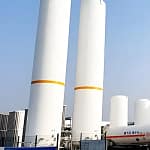
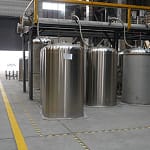
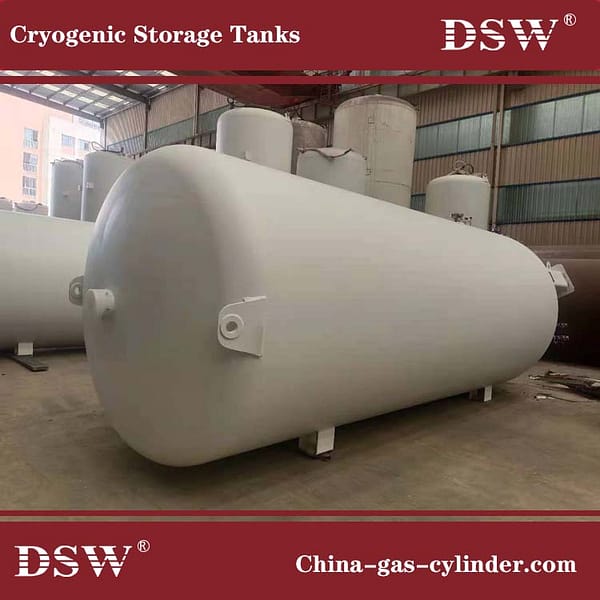
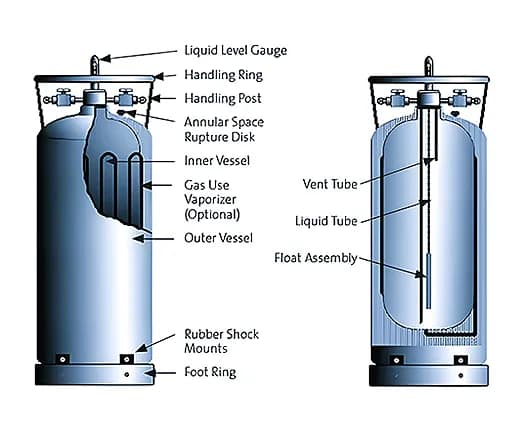
- Vacuum-Insulated Storage Vessels
Double-walled structures with vacuum and multilayer insulation to minimize heat transfer and reduce evaporation losses - Inner Vessel Materials
Typically stainless steel or aluminum alloys designed to withstand extreme low-temperature conditions without embrittlement - Pressure Control Devices
Including relief valves and burst discs to prevent overpressure conditions - Monitoring and Control Systems
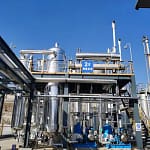
Temperature, pressure, and level sensors integrated with digital monitoring platforms and alarm systems - Cryogenic Transfer Equipment
Cryogenic pumps and insulated pipelines designed for efficient and low-loss fluid transfer - Backup and Redundancy Systems
Ensuring continuous operation of monitoring and safety functions in case of power or system failure
Modern systems increasingly incorporate IoT-based monitoring and predictive maintenance technologies to improve reliability and operational efficiency.
Engineering for Safety and Reliability
Cryogenic systems must balance extreme cold, high pressure, and human safety. Key safety features include:
- Material Selection: Non-corrosive, cryo-resistant alloys to prevent brittleness.
- Dual Safety Valves and Burst Discs: Protect tanks from overpressure.
- Leak Detection & Oxygen Monitoring: Prevent oxygen deficiency hazards (ODH) in enclosed areas.
- Automated Shutoff Controls: Triggered by abnormal temperature or pressure changes.
- Compliance with Standards: ASME, CE, ISO, and Compressed Gas Association (CGA) guidelines.
Case studies show that incidents from mishandling cryogens usually stem from poor maintenance or insufficient operator training—highlighting the importance of robust safety design.
Where Are Cryogenic Storage Systems Used?
The reach of cryogenic storage spans across diverse industries:
- Healthcare & Biobanks: Long-term preservation of blood, vaccines, stem cells, and IVF embryos.
- Pharmaceutical Logistics: Cold-chain transport for biologics and mRNA vaccines.
- Food Industry: Flash freezing to retain freshness, texture, and nutritional quality.
- Semiconductor Manufacturing: Cryogens used in wafer cooling and plasma etching.
- Energy Sector: Storage of liquefied natural gas (LNG) and hydrogen for clean energy projects.
- Aerospace & Space Exploration: Storage of liquid oxygen and liquid hydrogen for rocket propulsion.
- Environmental Science: Archiving biodiversity samples and preserving ice cores for climate research.
- Emerging Applications: Data centers experimenting with liquid nitrogen cooling.
Why Choose DSW for Cryogenic Storage?
DSW provides engineered cryogenic storage solutions designed for performance, safety, and long-term reliability.
- Customized System Design
Tailored solutions ranging from laboratory-scale units to large industrial installations - Advanced Insulation Technology
Optimized designs to minimize boil-off and improve energy efficiency - Turnkey Engineering Support
From system design and integration to installation and commissioning - Proven Industry Experience
Successful deployments across healthcare, industrial gas, and energy sectors - Global Standards Compliance
Systems manufactured in accordance with international certifications - Comprehensive After-Sales Support
Including technical consultation, maintenance guidance, and operator training
👉 Explore our cryogenic storage tanks for detailed equipment specifications and configurations.
- Maintenance & Best Practices
To ensure long-term performance, operators should follow strict maintenance protocols:
- Inspect valves, seals, and linings for wear.
- Calibrate temperature and level sensors regularly.
- Clean tanks using proper methods depending on whether they store biological or industrial materials.
- Train staff in handling cryogens and using PPE such as face shields and cryo-gloves.
The Future of Cryogenic Storage
The role of cryogenic storage is set to expand as industries innovate:
- Green Hydrogen Economy: Cryogenic tanks will become central to hydrogen supply chains.
- Liquid Air Energy Storage (LAES): Using liquid air as a large-scale renewable energy buffer.
- Smart Tanks: IoT and AI-driven predictive maintenance.
- Portable Cryogenic Units: Supporting personalized medicine and point-of-care treatment.
TECHNICAL QUESTIONS
Frequently asked questions
Refrigeration cools to –20°C or –80°C, while cryogenic storage maintains below –150°C for long-term stability.
Biological samples can be preserved for decades without degradation if stored correctly.
Maintenance depends on usage, but routine inspections of valves, seals, sensors, and insulation should be conducted every 6–12 months, with more frequent checks in high-demand industries like healthcare and energy.
Healthcare, pharmaceuticals, semiconductors, aerospace, energy, and food processing.


No comment