
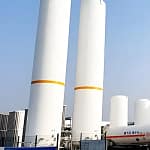
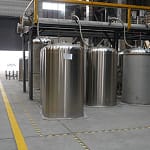
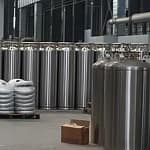
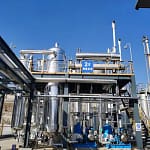


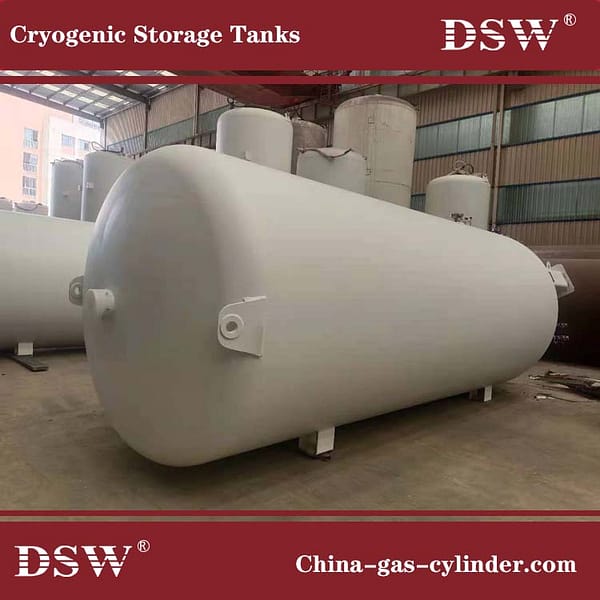

Industrial gas transport solutions are engineered systems designed for the safe intermodal movement of liquefied and compressed gases such as LNG, liquid nitrogen (LIN), liquid oxygen (LOX), liquid argon (LAR), and CO₂.
These systems form a critical part of the global industrial gas logistics chain, connecting production, cryogenic equipment systems, transport, and end-use applications.
What Are Gas Transport Solutions? (Storage → Transport → Distribution)
A complete industrial gas system is built on three interconnected layers: gas storage, gas transport, and gas distribution. Transport systems ensure that cryogenic and high-pressure gases are safely delivered between production facilities and end users without loss of performance or safety.
- Gas Storage: Cryogenic tanks, microbulk systems, cylinders
- Gas Transport: ISO tanks, LNG trailers, cryogenic tankers
- Gas Distribution: Industrial pipeline replacement systems
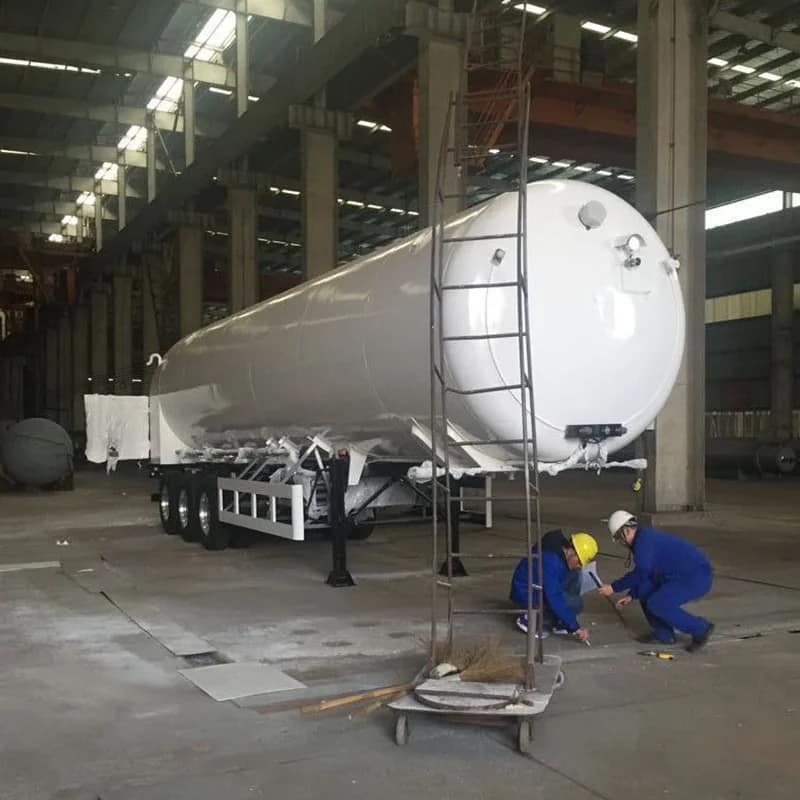
Comparison of Gas Transport Systems
| Type | Application | Pressure / Condition | Transport Range | Main Advantage |
|---|---|---|---|---|
| Cylinder Bundle | Small-scale industrial gas supply | High-pressure compressed gas | Short distance | Flexible and low-cost for low-volume demand |
| ISO Tank Container | International bulk transport (LNG, LOX, LIN, LAR) | Cryogenic / medium pressure | Global (ship, rail, truck) | Best for intermodal large-scale logistics |
| Mobile Cryogenic Tank | Regional liquid gas distribution | Cryogenic low-temperature (-196°C to -162°C) | Local / regional | Efficient last-mile delivery of liquefied gases |
| Tube Trailer | High-pressure gas transport (CNG, industrial gases) | Very high-pressure compressed gas | Regional / cross-border | Flexible pipeline alternative for gas distribution |
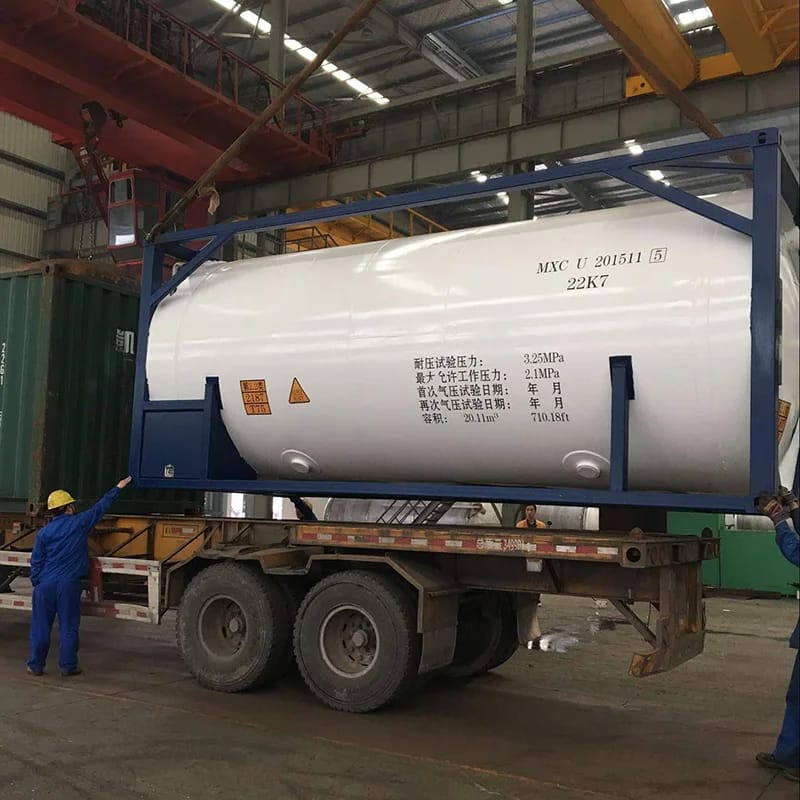
ISO Tank Container Systems (T75 Cryogenic Transport)
ISO T75 tank containers are vacuum-insulated pressure vessels designed according to ISO 1496, IMO 6, and CSC standards.
They are widely used for intermodal transport of liquefied gases including LNG, LOX, LIN, and LAR across global shipping networks.
- Vacuum insulated stainless steel inner vessel (SS304/SS316L)
- Perlite or multilayer insulation system
- Designed for intermodal transport (ship, rail, truck)
- Compliant with ISO, IMO, and DOT regulations
- Suitable for long-distance bulk gas logistics
Technical Specifications (Typical Range)
| Parameter | Specification |
|---|---|
| Design Standard | ISO 1496 / IMO 6 / CSC |
| Operating Pressure | Up to approx. 1.6 – 2.4 MPa (depending on gas type) |
| Operating Temperature | Down to -196°C (cryogenic service) |
| Material | SS304 / SS316L stainless steel inner vessel |
| Insulation Type | Vacuum + perlite or multilayer insulation |
| Transport Mode | Ship, Rail, Truck (Intermodal) |
| Applications | LNG, LOX, LIN, LAR, industrial gas logistics |
Looking for Industrial Gas Transport Solutions?
Get engineering support for ISO tanks, LNG systems, and cryogenic gas transport.
LNG Transport Systems (-162°C Cryogenic Logistics)
LNG transport systems are engineered for the safe movement of liquefied natural gas at -162°C using cryogenic insulation and pressure control technologies.
They are widely used in energy infrastructure and industrial fuel distribution networks.
- Boil-off gas (BOG) control system
- Vacuum insulation and thermal protection
- Pressure build-up (PBU) regulation system
- Road tanker and semi-trailer integration
Cryogenic Tanker Transport Systems (LOX / LIN / LAR)
Cryogenic tanker systems are designed for regional and industrial distribution of liquefied gases such as oxygen, nitrogen, and argon.
These systems minimize evaporation losses and maintain stable cryogenic conditions during transport.
- Liquid oxygen (LOX) medical and industrial supply
- Liquid nitrogen (LIN) semiconductor and cooling systems
- Liquid argon (LAR) welding and metallurgy applications
Tube Trailer Transport Systems for Hydrogen, Helium & CNG
Tube trailers are high-pressure gas transportation systems designed for the storage and delivery of compressed gases such as hydrogen, helium, and CNG where pipeline infrastructure is unavailable or impractical.
They offer a flexible, reliable, and scalable gas supply solution for industrial, energy, and remote applications.
- High-pressure seamless steel or composite gas cylinders
- Modular trailer design for efficient gas transportation
- Ideal pipeline alternative for off-grid and remote locations
- Safe and efficient compressed gas delivery systems
Industrial Gas Logistics & Distribution Systems
Industrial gas logistics systems integrate transport, storage, and distribution into a unified supply chain.
They are widely used in manufacturing, healthcare, energy, and chemical processing industries.
- Turnkey gas supply chain solutions
- On-site gas storage and vaporization systems
- Last-mile industrial gas delivery systems
- Bulk gas distribution network infrastructure
Engineering Standards & Compliance
All gas transport systems are manufactured in compliance with international engineering and safety standards to ensure global operability and regulatory approval.
- ISO 1496 (Container structural design)
- ASME Boiler and Pressure Vessel Code
- TPED European transport approval
- ADR / RID hazardous material transport regulations
- DOT (US Department of Transportation) compliance
- IMO international maritime transport standards
Industrial Gas Applications
Gas transport systems support multiple industries requiring continuous and reliable gas supply chains under strict purity and safety requirements.
- Energy and LNG infrastructure
- Steel and metallurgy industry
- Medical oxygen supply systems
- Semiconductor manufacturing
- Chemical processing plants
Integrated Gas System Architecture
Industrial gas systems operate as a continuous engineered chain from production to end use. Transport systems are the central link that ensures efficiency and safety across the entire lifecycle.
- Gas production (air separation / LNG plants)
- Cryogenic storage systems
- Intermodal gas transport systems
- End-use industrial distribution
How to Size a Cryogenic Storage System
System sizing depends on industrial consumption and operational requirements.
- Daily gas consumption rate
- Peak demand load
- Delivery schedule frequency
- Emergency reserve capacity
- Future expansion planning
Recommended storage capacity: 3–10 days of gas consumption.
Advantages of Cryogenic Storage Systems
- Continuous industrial gas supply
- Reduced operational cost
- Improved workplace safety
- Lower logistics dependency
- Higher process stability
- Reduced carbon emissions
Industrial Applications
- Metal fabrication and laser cutting systems
- Medical oxygen distribution systems
- Food freezing and cryogenic preservation
- Semiconductor manufacturing environments
- LNG storage and regasification systems
- Aerospace and research applications
TECHNICAL FAQs
About Gas Transport Solutions
ISO tank containers safely transport liquefied gases such as LNG, nitrogen, oxygen, and argon using insulated pressure vessels designed for road, rail, and sea transport.
LNG is transported in cryogenic tankers or ISO tanks with strong insulation systems that keep it at -162°C and prevent gas loss during transport.
A cryogenic tanker is usually used for local or regional delivery, while an ISO tank container is used for international transport by ship, truck, or rail.
Common gases include liquid oxygen, liquid nitrogen, liquid argon, and liquefied natural gas (LNG).
They keep gases at very low temperatures so they stay stable and safe during transportation and reduce gas loss.
Industries such as energy, healthcare, manufacturing, metallurgy, and chemicals use gas transport systems.
Gas transport systems follow international standards like ISO, ASME, ADR, DOT, and IMO regulations to ensure safety.
Related Cryogenic Transport System
About Gas Transport Solutions
Cryogenic Equipment & Components
Gas Transport Engineering Support
DSW delivers complete design, manufacturing, and global supply support for ISO tank, LNG, and cryogenic gas transport systems.
- System design and engineering support
- Custom gas transport solutions
- Global manufacturing and export
