
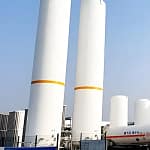


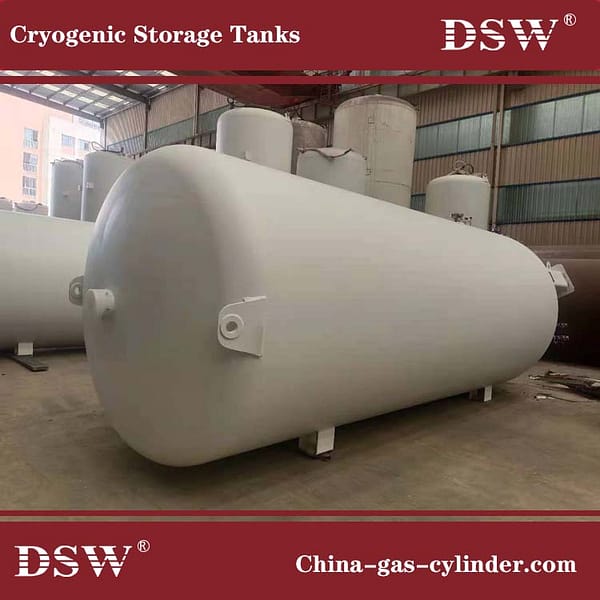

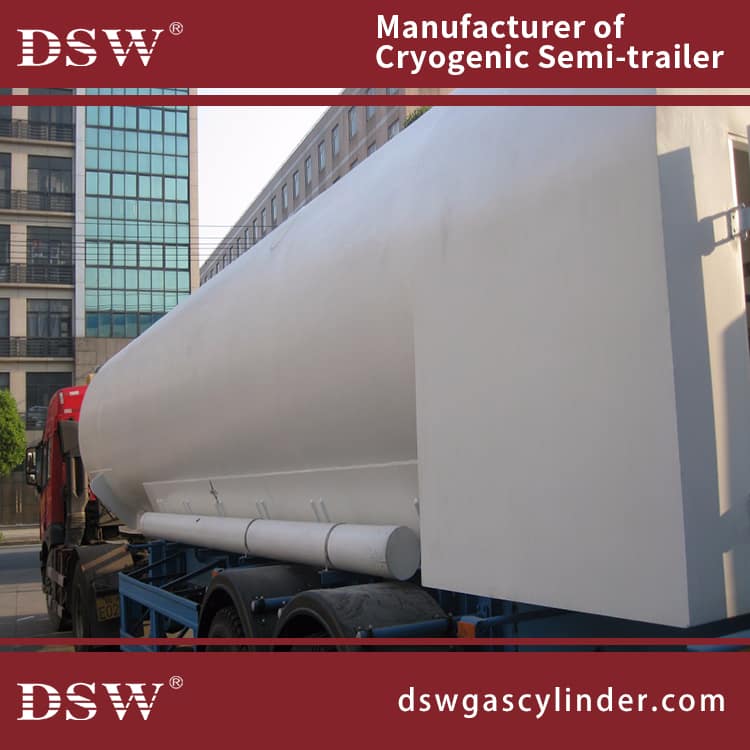
Cryogenic semi-trailers are specialized road transportation equipment designed to carry and deliver liquefied gases at extremely low temperatures. They are commonly used for the transportation of liquid nitrogen, liquid oxygen, liquid argon, LNG, liquid CO₂, and other cryogenic products between production facilities, storage terminals, gas distributors, and end users.
Different gases require different tank capacities, operating pressures, insulation systems, valves, safety equipment, and transportation configurations. Understanding the main types of cryogenic semi-trailers helps gas suppliers and industrial users select a suitable solution for their transportation requirements.
Major Types of Cryogenic Semi-Trailers
Cryogenic semi-trailers can be configured for different gases, capacities, pressures, and operating conditions. The following are the main types used for bulk cryogenic gas transportation.
1. LNG Semi-Trailers
LNG semi-trailers are designed to transport liquefied natural gas at cryogenic temperatures. They typically use vacuum-insulated tanks to reduce heat transfer and limit product loss during transportation.
LNG transport trailers are commonly used for regional and long-distance distribution from LNG production facilities, terminals, satellite stations, and storage installations to receiving facilities.
Important considerations include tank capacity, working pressure, vacuum insulation performance, filling and discharge connections, safety valves, instrumentation, and applicable transportation regulations.
2. Liquid Oxygen Semi-Trailers
Liquid oxygen semi-trailers are designed for the bulk transportation of liquid oxygen (LOX). They are widely used to supply hospitals, industrial gas users, steel plants, chemical facilities, and other oxygen-consuming operations.
Because oxygen is a strong oxidizer, the tank, valves, piping, and associated components must be suitable for oxygen service. Cleanliness, material compatibility, pressure protection, and safe filling and discharge procedures are important considerations when specifying a liquid oxygen trailer.
3. Liquid Nitrogen Semi-Trailers
Liquid nitrogen semi-trailers are used to transport bulk liquid nitrogen (LIN) from production or storage facilities to industrial and commercial users.
Typical applications include industrial gas distribution, food processing, electronics manufacturing, metal processing, laboratories, medical facilities, and other applications requiring a continuous supply of liquid nitrogen.
Vacuum insulation helps minimize heat ingress and reduces nitrogen boil-off during transportation. Trailer capacity and pressure configuration can be selected according to transportation distance, delivery frequency, and customer consumption.
4. Liquid Argon Semi-Trailers
Liquid argon semi-trailers transport bulk liquid argon (LAR) for industrial gas distribution and manufacturing applications.
Liquid argon is commonly used in welding and metal fabrication, steel production, electronics, and other industrial processes. A suitable cryogenic trailer provides insulated storage during transportation while incorporating the required filling, discharge, pressure-control, and safety systems.
5. Liquid CO₂ Tanker Trailers
Liquid CO₂ tanker trailers are designed for the transportation of liquefied carbon dioxide. Unlike atmospheric-pressure cryogenic liquids such as nitrogen, oxygen, and argon, CO₂ transportation requires a different pressure and temperature configuration.
Liquid CO₂ trailers are used for applications including food and beverage processing, industrial gas supply, water treatment, chemical processing, and other bulk CO₂ requirements.
The tank design, pressure rating, refrigeration or temperature management requirements, safety relief system, and filling and discharge equipment should be selected according to the intended CO₂ service.
6. Multi-Purpose Cryogenic Tanker Trailers
Some transportation requirements call for cryogenic tanker configurations that can be adapted to particular gases, delivery conditions, or regional transportation requirements.
These trailers may be configured with different tank capacities, operating pressures, insulation systems, valves, instrumentation, and chassis specifications. However, the equipment must always be designed and approved for the specific gas and service conditions rather than assuming that one trailer configuration is suitable for every cryogenic product.
Cryogenic Semi-Trailer Capacity and Configuration
The appropriate capacity depends on the customer’s gas consumption, transportation distance, delivery frequency, road conditions, and receiving storage capacity.
| Configuration | Key Considerations |
|---|---|
| Tank Capacity | Selected according to gas demand, delivery frequency, and transportation distance. |
| Working Pressure | Must match the gas service, tank design, operating conditions, and applicable standards. |
| Vacuum Insulation | Reduces heat transfer and helps minimize product loss during transportation. |
| Valves & Piping | Selected for the specific cryogenic gas, filling method, discharge method, and service conditions. |
| Safety Systems | May include pressure relief devices, shut-off valves, gauges, instrumentation, and other safety components. |
| Chassis | Selected according to tank weight, axle configuration, road regulations, and destination market requirements. |
Vacuum-Insulated Cryogenic Tank Design
Vacuum insulation is a key feature of many cryogenic transportation tanks. The insulation system is designed to reduce heat transfer between the external environment and the cryogenic liquid inside the tank.
A typical vacuum-insulated tank incorporates an inner vessel, outer jacket, insulation materials, vacuum space, piping, valves, and pressure-control components. Maintaining effective insulation helps control product temperature and reduce boil-off during transportation.
The required insulation and tank configuration depend on the gas, operating temperature, pressure, transportation duration, and applicable technical standards.
Applications of Cryogenic Semi-Trailers
Cryogenic semi-trailers support bulk gas distribution across a wide range of industries and supply networks.
- Industrial gas distribution – Bulk delivery of nitrogen, oxygen, argon, and other industrial gases.
- LNG distribution – Transportation of liquefied natural gas to LNG stations and industrial users.
- Medical oxygen supply – Bulk liquid oxygen transportation for hospitals and healthcare facilities.
- Steel and metal processing – Supply of oxygen, nitrogen, and argon for industrial processes.
- Food and beverage processing – Transportation of nitrogen and carbon dioxide for food processing and beverage applications.
- Chemical and petrochemical industries – Bulk supply of cryogenic gases for manufacturing and processing.
- Gas distribution networks – Regional transportation between production, storage, and customer facilities.
How to Choose a Cryogenic Semi-Trailer
Selecting a cryogenic semi-trailer should begin with the gas and transportation requirements rather than the trailer size alone. The following factors should be considered:
- Gas type – Identify whether the trailer will transport LNG, liquid nitrogen, liquid oxygen, liquid argon, liquid CO₂, or another cryogenic product.
- Required capacity – Determine the required tank volume based on consumption, delivery frequency, and transportation distance.
- Operating pressure – Select the appropriate pressure configuration for the product and receiving system.
- Insulation requirements – Consider vacuum insulation performance and expected transportation duration.
- Filling and discharge system – Confirm the required connections, valves, piping, and transfer equipment.
- Safety requirements – Specify pressure relief, isolation, monitoring, and other safety systems according to the application.
- Transportation regulations – Confirm the applicable road transportation, pressure vessel, and certification requirements for the destination market.
- Chassis and road conditions – Consider payload, axle configuration, road regulations, and operating environment.
Cryogenic Semi-Trailers vs. Cryogenic Tank Containers
Cryogenic semi-trailers and cryogenic tank containers are both used for transporting liquefied gases, but they serve different logistics requirements.
| Feature | Cryogenic Semi-Trailer | Cryogenic Tank Container |
|---|---|---|
| Primary Use | Road transportation of bulk cryogenic liquids | Intermodal transportation and storage |
| Chassis | Integrated road trailer chassis | Designed for mounting on container transport systems |
| Logistics | Primarily road-based | Road, rail, and sea transportation options |
| Typical Application | Bulk regional and long-distance gas delivery | Intermodal gas transportation and flexible logistics |
The appropriate solution depends on transportation routes, logistics infrastructure, required capacity, and the customer’s delivery model.
Cryogenic Tanker Semi-Trailers from DSW
DSW supplies cryogenic transportation equipment for bulk liquid gas applications. Our cryogenic tanker semi-trailers can be configured for different gases, capacities, operating pressures, and transportation requirements.
Depending on the application, the transportation solution can incorporate the cryogenic tank, vacuum insulation system, valves, piping, pressure relief devices, instrumentation, and road trailer chassis.
For international projects, the tank and trailer configuration should be reviewed according to the destination market, applicable transportation regulations, certification requirements, and customer operating conditions.
Selecting the Right Cryogenic Transport Solution
There is no single cryogenic semi-trailer configuration suitable for every gas and transportation application. The right solution depends on the gas type, required capacity, operating pressure, transportation distance, delivery frequency, road regulations, and destination market.
When planning a bulk cryogenic gas transportation project, these requirements should be defined before selecting the tank and trailer configuration. This helps ensure that the transportation equipment is compatible with the gas service and the receiving facility.





No comment