






Cryogenic tank standards define the technical requirements used to design, manufacture, inspect, test, and operate vessels that store or transport liquefied gases at cryogenic temperatures. For industrial applications, selecting the correct standard is just as important as choosing the tank capacity, design pressure, insulation system, and cryogenic fluid.
However, there is no single standard that applies to every cryogenic tank. The applicable requirements depend on whether the vessel is stationary or transportable, its design pressure and volume, the cryogenic fluid, the intended application, and the regulations of the destination country.
This guide explains the major cryogenic tank standards, with particular focus on ISO 21009-1, ISO 20421-1, ASME Section VIII, and related European requirements. It also explains how buyers can specify the correct standard when purchasing an industrial cryogenic storage tank.
Quick answer: For stationary vacuum-insulated cryogenic vessels, ISO 21009-1 is one of the most directly relevant international standards. For large transportable vacuum-insulated cryogenic vessels above 450 L, ISO 20421-1 is a key reference. ASME Section VIII provides a separate pressure-vessel design and construction framework that may be specified for applicable projects.
What Are Cryogenic Tank Standards?
Cryogenic tank standards are technical requirements that establish how a cryogenic vessel should be designed, manufactured, inspected, and tested.
A typical vacuum-insulated cryogenic tank contains several engineering systems rather than simply a single pressure vessel:
- Inner pressure vessel
- Outer jacket
- Vacuum insulation space
- Insulation system
- Cryogenic valves and piping
- Pressure-building system
- Pressure relief devices
- Level measurement equipment
- Pressure instrumentation
- Supports and structural components
Therefore, evaluating a cryogenic tank only by its nominal capacity is not sufficient. A proper specification should address the pressure boundary, materials, insulation, safety devices, testing, documentation, and the applicable regulatory framework.
Why Cryogenic Tank Standards Matter
Industrial cryogenic tanks operate under a combination of low temperature, internal pressure, thermal cycling, and heat transfer. A suitable standard provides an engineering framework for controlling these risks.
Depending on the vessel and project, standards may address:
- Design conditions
- Material selection
- Welding and fabrication
- Pressure-vessel calculations
- Inspection and non-destructive examination
- Pressure testing
- Leak testing
- Vacuum testing
- Safety and pressure-relief provisions
- Manufacturing documentation
The standard should therefore be established before detailed engineering and manufacturing begin. Choosing a standard after fabrication can create problems with design verification, inspection, testing, certification, and acceptance at the installation site.
Major Cryogenic Tank Standards
| Standard or Framework | Primary Application | Key Focus |
|---|---|---|
| ISO 21009-1 | Static vacuum-insulated cryogenic vessels | Design, fabrication, inspection and testing |
| ISO 21009-2 | Static cryogenic vessels | Operational requirements |
| ISO 20421-1 | Large transportable vacuum-insulated vessels | Design, fabrication, inspection and testing |
| ASME BPVC Section VIII | Applicable pressure vessels | Pressure-vessel design and construction |
| EN standards and European regulations | European projects | Pressure equipment, cryogenic vessels and applicable transport requirements |
| National regulations | Country- and site-specific applications | Installation, inspection, operation and safety |
These standards should not be treated as interchangeable. The correct framework depends on the tank design, application, destination, and regulatory requirements.
ISO 21009-1: The Key Standard for Static Cryogenic Tanks
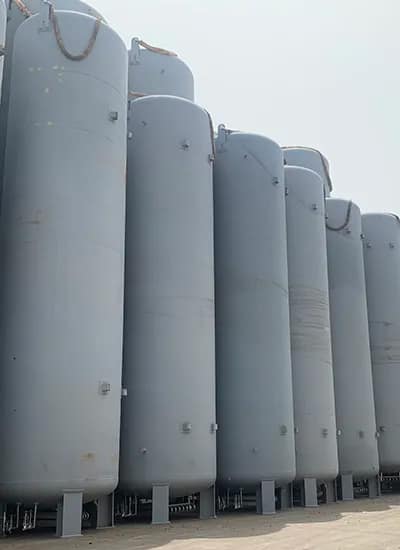
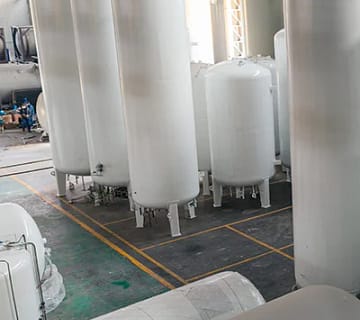
ISO 21009-1 is one of the most important international standards to understand when discussing static vacuum-insulated cryogenic tanks.
The current published edition is ISO 21009-1:2022 — Cryogenic vessels — Static vacuum-insulated vessels — Part 1: Design, fabrication, inspection and tests.
It specifies requirements for the design, fabrication, inspection, and testing of static vacuum-insulated cryogenic vessels designed for a maximum allowable pressure above 0.5 bar. It also provides guidance for vessels with a maximum allowable pressure not exceeding 0.5 bar.
This makes ISO 21009-1 particularly relevant to stationary industrial cryogenic storage tanks used for applications such as:
- Liquid nitrogen storage
- Liquid oxygen storage
- Liquid argon storage
- Industrial gas storage
- Gas supply installations
- Medical and healthcare gas infrastructure
- Other suitable cryogenic-fluid applications
What Does ISO 21009-1 Cover?
The standard focuses on the engineering and manufacturing of the cryogenic vessel itself. Depending on the project, the compliance process may involve:
- Design requirements
- Material requirements
- Manufacturing requirements
- Inspection
- Testing
- Pressure-boundary verification
- Vacuum-insulated vessel considerations
For a stationary cryogenic storage project, ISO 21009-1 should therefore be considered during the initial engineering stage rather than simply being added to the documentation after manufacturing.
Important: ISO 21009-1:2022 is the current published edition, but ISO is already revising the standard. When preparing a new project specification, the buyer and manufacturer should confirm which edition and regulatory requirements apply to the project.
ISO 21009-2: Operational Requirements
ISO 21009-2 should be distinguished from Part 1.
While ISO 21009-1 focuses primarily on the design, fabrication, inspection, and testing of static vacuum-insulated cryogenic vessels, Part 2 addresses operational requirements.
This distinction is important because designing a compliant tank does not automatically mean that the installation site is compliant.
A complete cryogenic storage installation may also need to consider:
- Tank location
- Safety distances
- Pressure relief discharge
- Ventilation
- Emergency isolation
- Filling operations
- Access and maintenance
- Fire and occupational safety requirements
- Local installation regulations
Therefore, cryogenic tank standards and site regulations should be evaluated together.
ISO 20421-1: Standards for Large Transportable Cryogenic Vessels
ISO 20421-1 applies to a different category of cryogenic vessel.
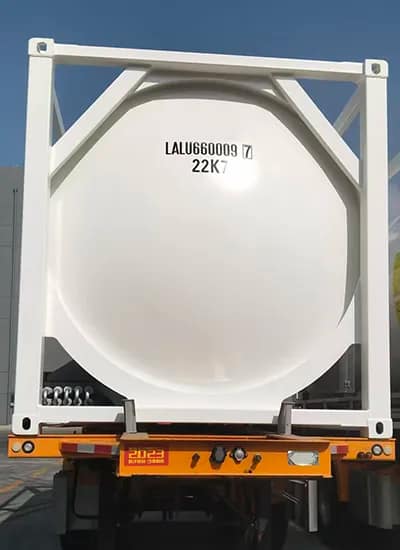
ISO 20421-1:2019 specifies requirements for the design, fabrication, inspection, and testing of large transportable vacuum-insulated cryogenic vessels with a volume greater than 450 L.
It covers vessels that are permanently or non-permanently attached to a means of transport, including relevant fixed, demountable, and portable configurations.
This makes ISO 20421-1 particularly relevant when evaluating:
- Large transportable cryogenic vessels
- Portable cryogenic tanks
- Demountable cryogenic tanks
- Certain cryogenic transport equipment
- Equipment intended to move between locations
However, ISO 20421-1 does not replace the regulations governing the complete vehicle or transportation system. For example, general vehicle requirements such as running gear, brakes, and lighting are outside the scope of this standard.
ISO 20421-1 Is Different From ISO 21009-1
| Feature | ISO 21009-1 | ISO 20421-1 |
|---|---|---|
| Primary application | Static cryogenic vessels | Large transportable cryogenic vessels |
| Insulation | Vacuum insulated | Vacuum insulated |
| Main focus | Design, fabrication, inspection and testing | Design, fabrication, inspection and testing |
| Typical use | Industrial stationary storage | Transportable and portable applications |
| Volume threshold | Not defined by the same >450 L transport criterion | More than 450 L |
This distinction is one of the most important points when selecting a cryogenic tank standard.
ASME Section VIII and Cryogenic Pressure Vessels
ASME Boiler and Pressure Vessel Code Section VIII is another major pressure-vessel framework used internationally.
ASME Section VIII provides rules for applicable pressure vessels, including requirements associated with design, construction, inspection, and certification.
For a cryogenic tank project, ASME requirements may influence areas such as:
- Pressure-vessel design
- Material selection
- Allowable stresses
- Welding
- Examination
- Pressure testing
- Inspection
- Manufacturer certification
However, it is important not to describe ASME Section VIII as simply another “cryogenic tank standard.” It is a pressure-vessel code framework. Whether it is appropriate for a particular cryogenic tank depends on the project specification, vessel design, jurisdiction, and required certification.
EN Standards and European Cryogenic Tank Requirements
European cryogenic tank projects may involve applicable EN standards, pressure-equipment requirements, transportation regulations, and national rules.
The exact requirements depend on the type of vessel and its intended use.
For example, a stationary cryogenic storage tank installed at an industrial facility may have a different compliance pathway from a transportable cryogenic vessel used across national borders.
For European projects, the purchaser should therefore specify the:
- Country of installation
- Tank type
- Stored fluid
- Capacity
- Design pressure
- Intended use
- Transportation requirements, if applicable
- Required conformity assessment and certification
Cryogenic Tank Standards by Tank Type
| Cryogenic Tank Type | Standards to Evaluate | Main Consideration |
|---|---|---|
| Stationary vacuum-insulated storage tank | ISO 21009-1 and applicable local code | Static storage |
| Large transportable cryogenic vessel | ISO 20421-1 and transport regulations | Transportation |
| Pressure vessel under ASME requirements | Applicable ASME BPVC Section VIII requirements | Pressure-vessel design and certification |
| European cryogenic installation | Applicable EN and European requirements | Conformity and local regulations |
| Cryogenic tank for road transportation | Applicable vessel and dangerous-goods transport regulations | Tank plus transportation system |
This table is a starting point only. The final compliance route should be established from the project requirements and the regulations applicable to the installation or transportation location.
Explore Custom Cryogenic Storage Equipment
From stationary storage tanks to transportation vessels, DSW provides customized cryogenic storage solutions engineered for safe operation, controlled evaporation, and long-term reliability.
How to Choose the Correct Cryogenic Tank Standard
Before selecting a standard, answer five basic engineering questions.
1. Is the Tank Stationary or Transportable?
This is the first question to answer.
A permanently installed industrial storage tank is fundamentally different from a cryogenic vessel designed to move between locations.
Stationary tank: evaluate standards such as ISO 21009-1 together with applicable pressure-vessel and installation requirements.
Transportable tank: evaluate ISO 20421-1 and the applicable transportation regulations.
2. What Cryogenic Fluid Will Be Stored?
The stored fluid should be clearly identified before the vessel is designed.
Common industrial cryogenic fluids include:
- Liquid nitrogen (LIN)
- Liquid oxygen (LOX)
- Liquid argon (LAR)
- LNG
- Other cryogenic fluids
The fluid can affect material selection, safety requirements, valve configuration, relief systems, instrumentation, and applicable regulations.
3. What Are the Design and Operating Pressures?
Tank capacity alone does not define the pressure-vessel design.
The specification should distinguish between:
- Normal operating pressure
- Maximum allowable working pressure
- Design pressure
- Relief pressure
These values affect the vessel design, pressure-relief system, piping, valves, and testing requirements.
4. What Is the Tank Capacity?
The nominal volume should be specified together with the intended filling and operating conditions.
For transportable vessels, capacity can also affect the applicable regulatory category. ISO 20421-1, for example, addresses large transportable vacuum-insulated vessels with volumes greater than 450 L.
5. Where Will the Tank Be Used?
The destination country and installation site can determine which regulations and conformity requirements apply.
A tank designed for one regulatory jurisdiction may require additional assessment, documentation, or modification before it can be legally installed in another jurisdiction.
Cryogenic Tank Design: Why Vacuum Insulation Matters
Most industrial vacuum-insulated cryogenic tanks use a double-wall construction consisting of an inner vessel and an outer jacket.
The space between them is evacuated to reduce heat transfer.
Effective vacuum insulation helps control:
- Heat ingress
- Liquid boil-off
- Pressure increase
- Product loss
- Pressure-relief activity
For this reason, a cryogenic tank standard should not be viewed only as a pressure-vessel requirement. The performance of the complete vacuum-insulated vessel is also important.
Materials Used in Cryogenic Tank Construction
Material selection is particularly important for cryogenic service because very low temperatures can affect the mechanical properties of materials.
The engineering process should consider:
- Minimum design temperature
- Design pressure
- Cryogenic fluid
- Material toughness
- Weldability
- Thermal contraction
- Corrosion resistance
- Applicable material requirements
The material selection should therefore be based on the applicable design code and actual operating conditions rather than simply choosing a material commonly used for conventional pressure vessels.
Cryogenic Tank Inspection and Testing
Inspection and testing are important parts of cryogenic tank manufacturing.
Depending on the applicable standard and project specification, quality control may include:
Material Inspection
Materials are checked against the approved design and manufacturing requirements, with appropriate material documentation and traceability.
Welding Inspection
Pressure-boundary welds may require visual inspection and appropriate non-destructive examination according to the applicable code.
Pressure Testing
The pressure boundary is tested according to the applicable design standard and project requirements.
Leak Testing
Leak-tightness is particularly important for cryogenic equipment because leakage can become a serious operational and safety issue at cryogenic temperatures.
Vacuum Testing
The insulation space is evacuated and checked to verify the required vacuum performance.
Valve and Piping Inspection
Cryogenic valves, piping, fittings, safety devices, and instrumentation should be checked against the approved specification.
Documentation Review
A project documentation package may include:
- Material certificates
- Welding records
- Inspection reports
- Non-destructive examination records
- Pressure-test records
- Leak-test records
- Vacuum-test records
- Dimensional inspection records
- Nameplate information
- Certificates of conformity
- Operating and maintenance documentation
The exact documentation should be agreed between the buyer, manufacturer, inspection body, and applicable regulatory authority before production.
Cryogenic Tank Standards vs. Certification
One of the most common misunderstandings when purchasing a cryogenic tank is treating a standard and a certificate as the same thing.
They are not.
A standard or code provides technical requirements or rules for design, manufacturing, inspection, testing, or operation.
Certification or conformity documentation demonstrates that the specific vessel has been assessed against specified requirements.
Therefore, a purchase specification should not simply say:
“Cryogenic tank according to ISO standards.”
A stronger specification identifies:
- Applicable standard
- Standard edition
- Tank type
- Cryogenic fluid
- Nominal volume
- Design pressure
- Operating pressure
- Design temperature
- Inspection requirements
- Testing requirements
- Certification requirements
- Destination country
What Should Be Included in a Cryogenic Tank Specification?
A practical technical specification for an industrial cryogenic tank should include at least the following information:
| Parameter | Information to Specify |
|---|---|
| Tank type | Stationary, transportable, portable, or other configuration |
| Cryogenic fluid | LIN, LOX, LAR, LNG, or other fluid |
| Nominal volume | Required vessel capacity |
| Working pressure | Normal operating pressure |
| Design pressure | Maximum design condition |
| Design temperature | Minimum and applicable design temperature |
| Insulation | Vacuum-insulated configuration and performance requirements |
| Applicable standard | ISO, ASME, EN, or applicable local code |
| Inspection | Required inspection and examination |
| Testing | Pressure, leak, vacuum, and other required tests |
| Certification | Required conformity and inspection documentation |
| Destination | Country and installation or transportation location |
Common Mistakes When Selecting Cryogenic Tank Standards
1. Choosing a Standard Based Only on Tank Capacity
A 20 m³ or 30 m³ tank is not defined by capacity alone. Fluid, pressure, installation method, transportation requirements, and destination regulations also matter.
2. Treating ISO and ASME as Interchangeable
ISO and ASME provide different technical frameworks. A customer should specify which code or standard is required instead of assuming that compliance with one automatically means compliance with another.
3. Confusing Stationary and Transportable Vessels
ISO 21009-1 and ISO 20421-1 address different vessel applications. The distinction between stationary and transportable equipment should be established at the beginning of the project.
4. Ignoring Local Regulations
International standards do not necessarily replace national or local regulatory requirements. The final installation may require additional approval, inspection, or conformity assessment.
5. Selecting the Standard After Manufacturing
The applicable standard should be established before detailed design and fabrication. Changing the compliance route after production can lead to additional engineering, inspection, documentation, or modification requirements.
| Parameter | Information to Specify |
|---|---|
| Tank type | Stationary, transportable, portable, or other configuration |
| Cryogenic fluid | LIN, LOX, LAR, LNG, or other fluid |
| Nominal volume | Required vessel capacity |
| Working pressure | Normal operating pressure |
| Design pressure | Maximum design condition |
| Design temperature | Minimum and applicable design temperature |
| Insulation | Vacuum-insulated configuration and performance requirements |
| Applicable standard | ISO, ASME, EN, or applicable local code |
| Inspection | Required inspection and examination |
| Testing | Pressure, leak, vacuum, and other required tests |
| Certification | Required conformity and inspection documentation |
| Destination | Country and installation or transportation location |
How DSW Uses Cryogenic Tank Standards in Project Specifications
For an industrial cryogenic storage project, the correct tank should be selected from the complete operating requirement, not from capacity alone.
DSW supplies cryogenic tanks and cryogenic equipment for industrial gas applications. Depending on the project, a cryogenic storage tank may be integrated with:
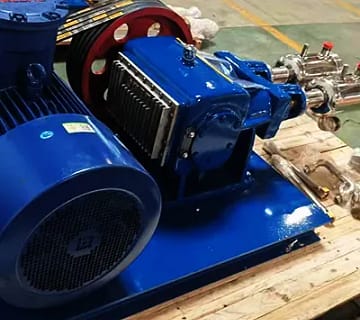
- Cryogenic pumps
- Vaporizers
- Pressure regulation equipment
- Cryogenic valves
- Filling systems
- Gas distribution piping
- Pressure and level instrumentation
- Safety systems
For this reason, the applicable cryogenic tank standard should be established together with the tank type, fluid, pressure, capacity, installation conditions, and destination-market requirements.
For complete industrial gas storage and supply projects, a cryogenic tank is normally one part of a larger engineered system.
TECHNICAL FAQs
FAQs About Cryogenic Tank Standards
ISO 21009-1 is a major international standard for static vacuum-insulated cryogenic vessels. The current published edition is ISO 21009-1:2022, which covers design, fabrication, inspection, and testing.
ISO 21009-1 specifies requirements for static vacuum-insulated cryogenic vessels and focuses on design, fabrication, inspection, and testing. It is particularly relevant when engineering stationary industrial cryogenic storage vessels.
ISO 20421-1 addresses large transportable vacuum-insulated cryogenic vessels with a volume greater than 450 L, including certain fixed, demountable, and portable configurations associated with transportation.
ASME Section VIII is a pressure-vessel code rather than a dedicated cryogenic tank standard. It can provide a design and construction framework for applicable pressure vessels when required by the project or jurisdiction.
No. ISO 21009-1 focuses on static vacuum-insulated cryogenic vessels, while ISO 20421-1 focuses on large transportable vacuum-insulated cryogenic vessels. The intended use of the vessel is therefore an important factor when selecting the applicable standard.
No. The applicable requirements depend on tank type, fluid, pressure, capacity, transportation status, destination country, installation conditions, and applicable regulations.
Provide the cryogenic fluid, tank capacity, working pressure, design pressure if available, stationary or transportable application, destination country, required standard or code, and required inspection or certification documentation.
Conclusion
Cryogenic tank standards are a fundamental part of the engineering and procurement process for industrial cryogenic storage equipment. The correct standard depends on the type of vessel, its operating conditions, the stored fluid, whether it is stationary or transportable, and the regulations applicable to the project.
For static vacuum-insulated cryogenic vessels, ISO 21009-1 is a key international reference. For large transportable vacuum-insulated vessels above 450 L, ISO 20421-1 is an important reference. ASME Section VIII provides a separate pressure-vessel code framework that may be specified for applicable projects.
Because standards can be revised and local regulations may impose additional requirements, buyers should confirm the applicable standard, edition, certification route, and destination-country requirements before manufacturing begins.




No comment