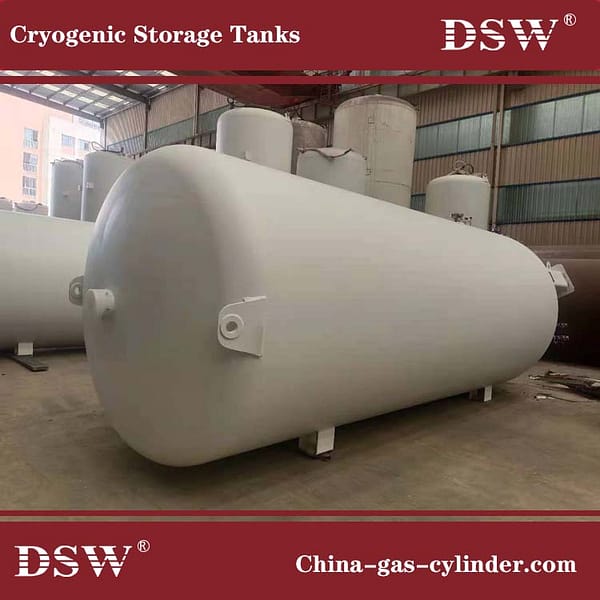
Cylinder technology refers to the engineering, design, and safety systems used for high-pressure gas storage and transportation. It is a key part of industrial gas infrastructure, ensuring the safe handling of oxygen, nitrogen, argon, carbon dioxide, hydrogen, and other industrial gases.
This category provides technical insights into gas cylinder engineering, including materials, pressure control, valve systems, safety standards, and real-world applications across industries such as energy, manufacturing, healthcare, and laboratories.
Gas cylinder technology is designed to safely contain gases under high pressure or in liquefied form. Modern cylinders use advanced metallurgy, precision manufacturing, and strict quality control to ensure durability, safety, and long service life.
Key design factors include pressure rating, wall thickness, corrosion resistance, fatigue performance, and compliance with international standards such as ISO and DOT.
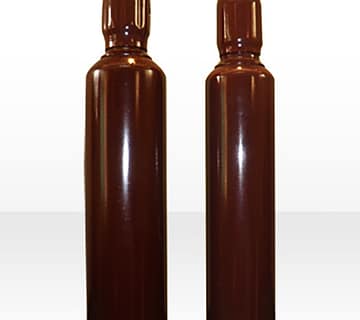
High-Pressure Seamless Cylinders
Made from steel or aluminum alloys, these cylinders are used for compressed gases such as oxygen, nitrogen, and argon in industrial applications.
Liquefied Gas Cylinders
These cylinders store gases in liquid form under pressure, improving storage efficiency for gases like carbon dioxide and LPG.
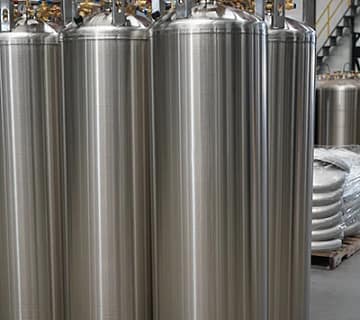
Cryogenic Gas Cylinders (Dewars)
Designed for ultra-low temperature liquids such as liquid nitrogen and oxygen, using vacuum insulation and thermal protection systems.
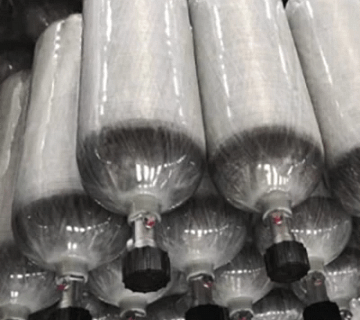
Composite Cylinders
Lightweight fiber-reinforced cylinders that offer high pressure resistance, corrosion protection, and improved portability.
The performance of gas cylinders depends on integrated components designed for precise control and safety.
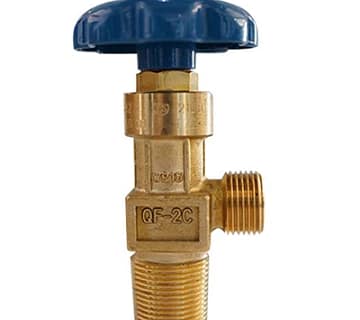
- Cylinder valves – control gas flow and release
- Pressure regulators – stabilize output pressure
- Safety relief devices – prevent overpressure risks
- Protective caps and guards – protect valves during transport and handling
All components are tested under strict conditions to ensure safe operation in industrial environments.
Gas cylinder systems must comply with strict international safety standards to ensure reliability and risk control in industrial environments.
- ISO 9809 and ISO 11439 cylinder standards
- DOT and TPED certification requirements
- Hydrostatic testing and periodic inspection
- Leak detection and pressure integrity checks
- Traceable manufacturing and quality control systems