




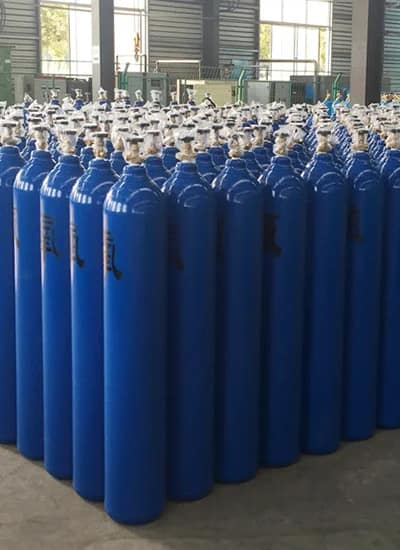
What Is a Gas Cylinder?
A gas cylinder is a pressure vessel designed for the safe storage and transportation of gases under pressure.
These gases may be compressed, liquefied, or dissolved depending on their physical properties.
Gas cylinders are widely used across industrial, medical, energy, and laboratory applications due to their reliability and standardized design.
Definition and Working Principle
A gas cylinder is typically a seamless or welded container engineered to safely contain gases at pressures higher than atmospheric levels.
Gas is filled under controlled conditions and released through a valve system that regulates flow.
- Compressed Gas: Stored in gaseous form under high pressure (e.g., nitrogen, oxygen)
- Liquefied Gas: Stored as liquid and vaporizes upon release (e.g., CO₂, LPG)
- Dissolved Gas: Dissolved in a solvent within porous material (e.g., acetylene)
Key Components
- Cylinder Body: High-strength steel or aluminum pressure vessel
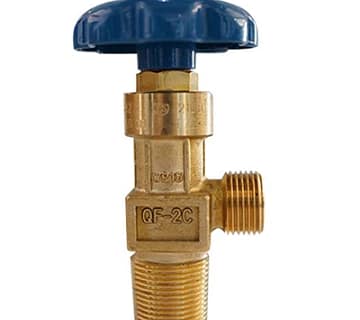
- Valve: Controls gas filling and discharge
- Neck & Thread: Secures valve connection
- Protective Cap: Prevents valve damage
- Base Ring: Ensures upright stability
Materials and Manufacturing
Gas cylinders are manufactured using materials selected for strength and durability, complying with international standards such as ISO and DOT.

What are gas cylinders made of?
Gas cylinders can be made from aluminum, steel, alloys, and composite materials. Mechanical strength, corrosion resistance, and impact resistance are critical factors in determining the material used.
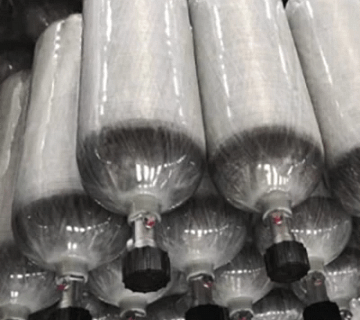
Carbon fiber composite cylinders can be very light due to the high tensile strength of carbon fiber but are more challenging to manufacture.
What is the pressure in a gas cylinder?
Three major groups of compressed gases are stored in cylinders: liquefied, non-liquefied, and dissolved gases. In each case, the pressure of the gas in the cylinder is commonly given in units of kilopascals (kPa) or pounds per square inch gauge (psig). Atmospheric pressure is usually about 101.4 kPa (14.7 psi)
What is the capacity of an oxygen cylinder?
It has an interior capacity of 26.73 liters. Therefore, 26.73 liters and 2200 psi. Thus, 14.7 psi is the pressure at which the oxygen will be used.
What are the sizes of gas cylinders?
Argon Gas Bottle Sizes (Argon Bottle Sizes) – Argon Cylinder Capacity Chart
Argon Gas Bottle Sizes (Argon Bottle Sizes) Argon Gas Cylinder Sizes |
||
| Size | Height | Argon Cylinder Capacity |
| G2 | 1460 | 10.2 m3 |
| E2 | 780 | 4.1 m3 |
Materials and Manufacturing
Gas cylinders are manufactured using materials selected for strength and durability, complying with international standards such as ISO and DOT.
- Seamless Steel: High pressure resistance and long service life
- Aluminum: Lightweight and corrosion-resistant
- Composite: Fiber-reinforced for reduced weight and enhanced safety
Classification
| Category | Types |
|---|---|
| By Gas Type | Permanent, Liquefied, Dissolved |
| By Pressure | Low, High, Ultra-high pressure |
| By Application | Industrial, Medical, Specialty gases |
Types of Gas Cylinders
- Type 1: All-metal (seamless steel or forged)
- Type 2: Metal cylinder with partial fiber wrap
- Type 3: Metal liner fully wrapped with composite fiber
- Type 4: Plastic liner fully wrapped with composite fiber
Types of Gases
- Liquefied Gases: Stored as liquid-vapor (e.g., ammonia, propane, CO₂)
- Compressed Gases: Remain gaseous under pressure (e.g., oxygen, nitrogen, helium)
- Dissolved Gases: Stored in porous material for stability (e.g., acetylene)
DOT vs ISO Gas Cylinders: Key Differences
| Parameter | DOT Gas Cylinders (USA Standard) | ISO Gas Cylinders (International Standard) |
|---|---|---|
| Governing Standard | U.S. Department of Transportation (DOT) | ISO standards (e.g., ISO 9809, ISO 7866) |
| Primary Market | United States | Europe, Asia, global markets |
| Design Code | DOT-3AA, DOT-3AL, DOT-4 series | ISO 9809 (steel), ISO 7866 (aluminium) |
| Typical Materials | Seamless steel, aluminium | Seamless steel, aluminium, composite options |
| Working Pressure | Common: 201–300 bar (depending on spec) | Common: 200–300 bar (can vary by design) |
| Marking | Stamped with DOT spec, service pressure, test dates | Stamped with ISO standard, CE (if applicable), manufacturer data |
| Inspection Cycle | Typically every 5–10 years (hydrostatic test) | Typically every 5–10 years (varies by country regulations) |
| Valve Thread Standards | CGA thread standards (USA) | DIN, BS, or ISO thread standards |
| Unit System | Imperial + metric (psi, litres) | Metric (bar, litres) |
| Typical Use | Domestic US transport and distribution | International trade and global gas supply |
| Interchangeability | Limited outside the US without approval | Widely accepted internationally |
Applications
- Industrial manufacturing (welding, cutting)
- Medical oxygen and respiratory care
- Energy storage (CNG, LNG, hydrogen)
- Food processing and carbonation
- Laboratory and calibration gases
Safety Considerations
- Store in well-ventilated areas
- Secure upright to prevent tipping
- Use compatible regulators
- Inspect regularly for damage or leaks
- Follow ISO, DOT, and EN standards
Advantages
- Portable and easy to handle
- High storage efficiency
- Versatile across industries
- Standardized for global use
Conclusion
Gas cylinders are essential for safe and efficient gas storage and distribution.
Their robust construction and standardized design make them indispensable across industrial and commercial applications.




No comment