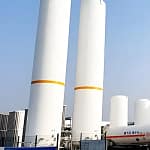
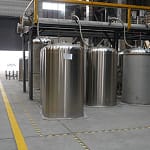
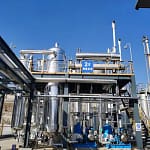
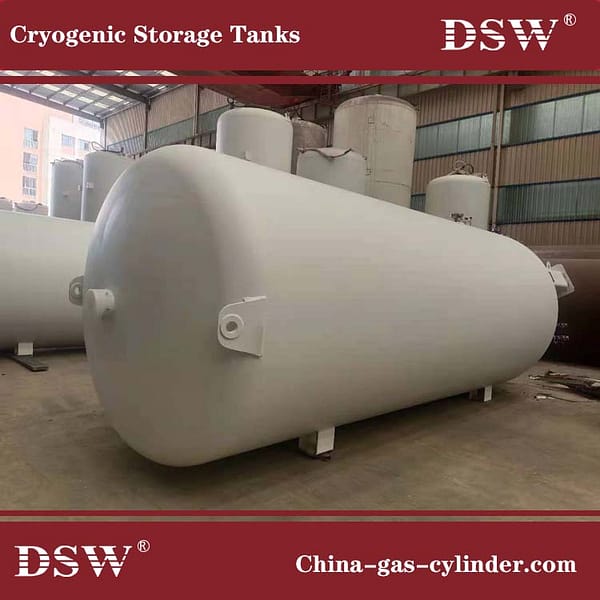
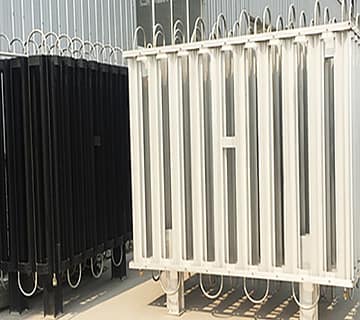
Industrial applications of gas systems cover a wide range of real-world uses across manufacturing, energy, healthcare, food processing, and advanced technology industries. Industrial gases such as oxygen, nitrogen, argon, carbon dioxide, and hydrogen are essential for enabling controlled processes, improving efficiency, and ensuring operational safety.
This category explores how industrial gases and related equipment are used across different sectors, including process optimization, material treatment, energy systems, and controlled environments.
Industrial gases are widely used as process enablers, reactants, and protective media in modern industry. Depending on the application, they may support combustion, cooling, inerting, preservation, or chemical reactions.
Common industrial gases include oxygen (O₂), nitrogen (N₂), argon (Ar), carbon dioxide (CO₂), and hydrogen (H₂), each serving specific functional roles in production systems.
Manufacturing & Metal Processing
Industrial gases are widely used in welding, cutting, heat treatment, and metal fabrication processes. Oxygen enhances combustion efficiency, while argon provides shielding in precision welding applications.
Energy & Hydrogen Systems
Hydrogen and oxygen are increasingly used in energy systems, including fuel production, refining processes, and emerging clean energy applications.
Healthcare & Medical Use
Medical oxygen is critical for respiratory support, anesthesia, and hospital systems. High-purity gases are also used in sterilization and laboratory environments.
Food & Beverage Industry
Carbon dioxide and nitrogen are used for carbonation, modified atmosphere packaging (MAP), and food preservation to extend shelf life and maintain product quality.
Electronics & Semiconductor Industry
Ultra-high purity gases are required for semiconductor manufacturing, electronics production, and controlled cleanroom environments.
Industrial gases perform multiple functional roles depending on the process requirements:
- Combustion enhancement – improving flame temperature and efficiency
- Inerting – preventing unwanted chemical reactions
- Cooling & cryogenics – enabling low-temperature processing
- Pressurization & transport – supporting controlled delivery systems
- Atmosphere control – ensuring product quality and stability
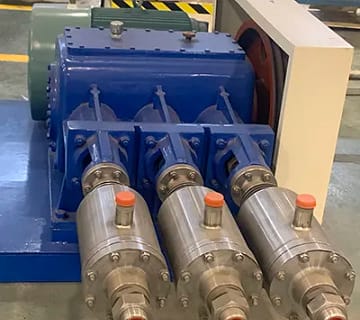
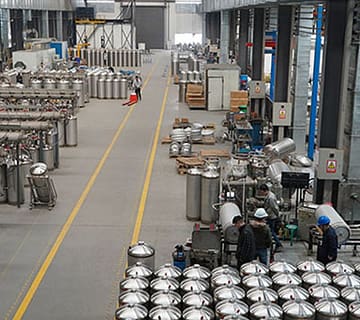
Effective industrial gas applications rely on supporting infrastructure and equipment designed for safety and efficiency.
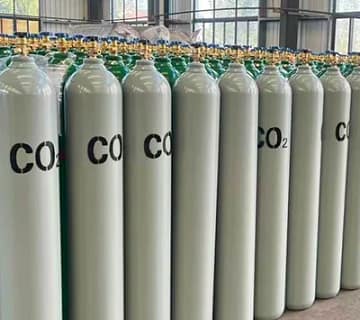
- Gas cylinders – storage and transport of compressed gases
- Cryogenic tanks – storage of liquefied gases at low temperatures
- Vaporizers – conversion of liquid gases into usable gas form
- Pressure regulators – control and stabilize gas flow
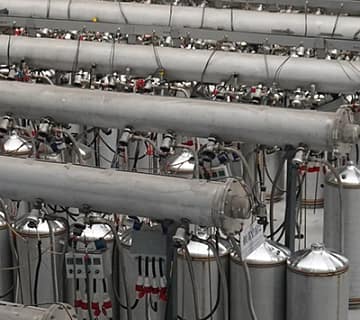
- Piping systems – distribution in large-scale industrial facilities