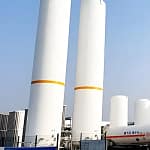
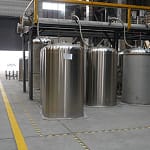
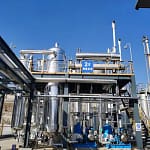
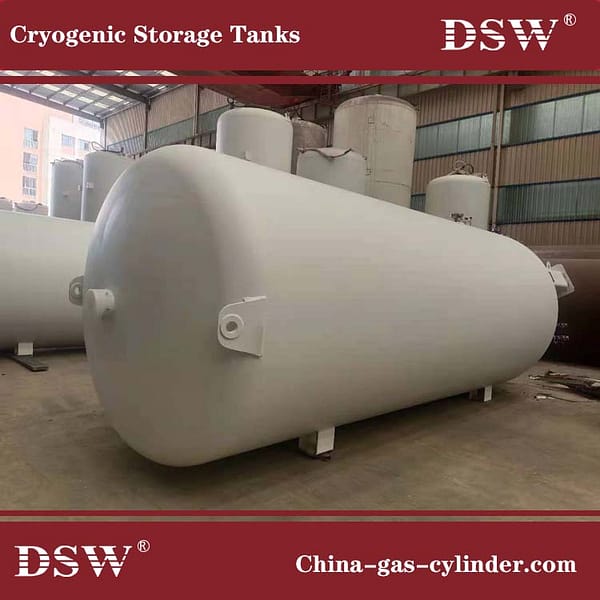
Gas distribution and transport solutions are essential for delivering industrial gases safely and efficiently from production facilities to end users. These systems support the movement of gases such as oxygen, nitrogen, argon, carbon dioxide, hydrogen, and LNG across local, regional, and international supply chains.

This category explores gas transport methods, distribution infrastructure, and logistics systems, including cylinders, ISO tank containers, cryogenic trailers, and pipeline networks used in modern industrial gas supply.

Gas Distribution Systems Overview

Industrial gas distribution systems are designed to ensure a continuous, controlled, and safe supply of gases to end-use applications. Depending on demand and distance, gases may be delivered in compressed, liquefied, or pipeline form.

Effective distribution requires integration of storage, pressure control, transport equipment, and monitoring systems to maintain product quality and operational safety.

Gas Transport Methods

Cylinder Transport

Gas cylinders provide flexible and widely used solutions for transporting compressed gases. They are suitable for small to medium volumes and decentralized supply systems.

ISO Tank Containers

ISO tank containers enable bulk transport of liquefied gases across long distances, supporting intermodal logistics via road, rail, and sea.

Cryogenic Tank Trailers

Cryogenic trailers are used for transporting liquefied gases such as LNG, liquid nitrogen, and oxygen while maintaining ultra-low temperatures.

Pipeline Distribution Systems

Pipelines provide continuous, high-volume gas supply for large industrial facilities, reducing the need for transport logistics in high-demand environments.

Key Components in Gas Transport Systems

Reliable gas transport depends on engineered components that ensure safety, pressure control, and system integrity.

  • Pressure regulators – maintain stable gas flow during transport and delivery
  • Valves and fittings – control and isolate gas flow
  • Insulation systems – reduce heat transfer in cryogenic transport
  • Monitoring systems – track pressure, temperature, and safety conditions

Applications of Gas Distribution & Transport

  • Manufacturing – supply of gases for welding, cutting, and processing
  • Healthcare – delivery of medical oxygen and specialty gases
  • Energy sector – LNG and hydrogen distribution systems
  • Food industry – transport of gases for packaging and preservation
  • Electronics – high-purity gas delivery for semiconductor production

Safety and Regulatory Considerations

Gas transport systems must comply with strict international regulations to ensure safety during storage, handling, and transportation.

  • ADR, DOT, and ISO transport regulations
  • Pressure vessel and cryogenic safety standards
  • Leak detection and emergency response systems
  • Routine inspection and maintenance procedures

Explore Gas Transport Topics

  • Gas cylinder transport and handling
  • ISO tank container logistics
  • Cryogenic gas transportation systems
  • Pipeline gas distribution design
  • Bulk gas supply chain solutions
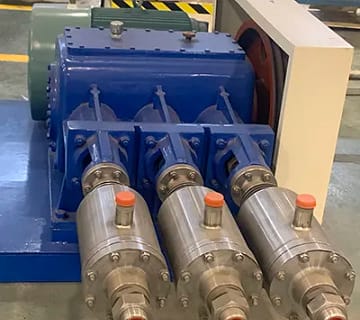
Piston pump for gas transfer and gas filling applications

What Is a Gas Transfer Pump? Types, Working Principles

Gas transfer pumps and liquid gas pumpsare essential for moving ultra-low temperature liquids like LN₂, LOX, LAr, LNG, and LH₂. This guide explains their working principles, major types, and key applications in industries such as LNG, industrial gases, medical, energy, and aerospace. ... Read More
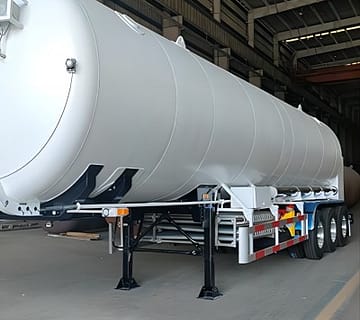
A cryo semitrailer is specifically designed for the transportation of cryogenic gases

Optimizing Gas Transportation: Tank Containers, Trailers

Explore the essential methods and technologies in gas transportation, focusing on the use of tank containers, trailers. This article delves into the various gases transported, the innovations in transport solutions, and the critical safety measures required to ensure efficient and secure gas distribution across multiple industries. ... Read More
International safety standards play a crucial role in ensuring uniformity, reliability, and safety across various industries and sectors worldwide

International Gas Transport Safety Standards Explained (IMDG, ADR, DOT, TPED, ISO & ASME Guide 2026)

This guide provides an in-depth explanation of various international standards that ensure the safe transport of gas and hazardous materials. Covering regulations from the CSC, IMDG, DOT, RID, ADR, TPED, LR, ASME, TC, IATA DGR, and ISO, this resource helps organizations comply with global safety, quality, and regulatory requirements for gas transport across multiple modes of transportation. ... Read More