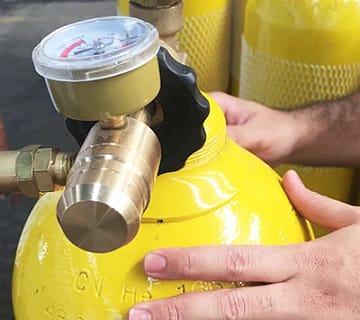
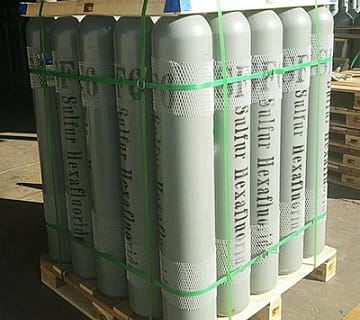
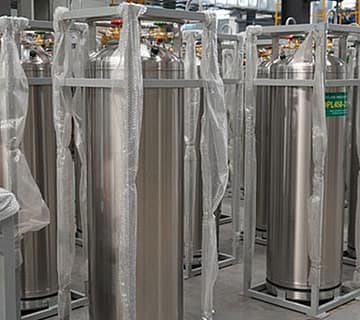
 gas cylinders, gas tank, gas bottle



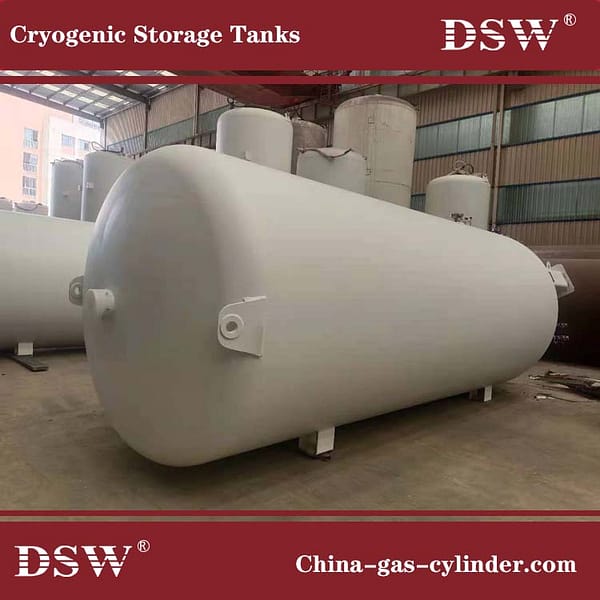

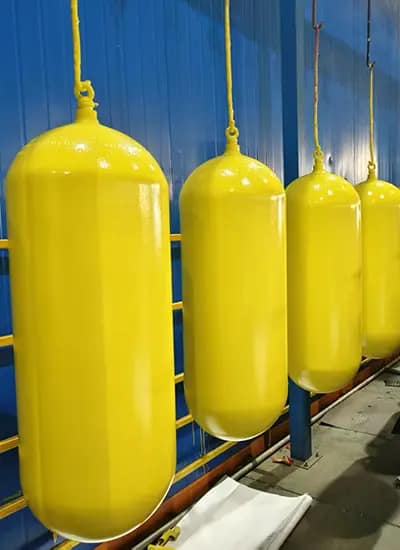
Compressed natural gas (CNG) is used in transportation, industrial operations, power generation, and energy supply for locations without direct access to natural gas pipelines. CNG is natural gas that has been compressed to high pressure so it can be stored in cylinders, storage systems, and specialized transport equipment.
Because CNG can be stored and transported without cryogenic refrigeration, it can provide a flexible way to deliver natural gas to vehicles, factories, power generation facilities, and remote industrial sites.
What Is CNG?
CNG stands for Compressed Natural Gas. It consists primarily of methane (CH₄) and remains in a gaseous state during storage and transportation. Unlike liquefied natural gas (LNG), CNG does not require cryogenic temperatures to remain in storage.
Instead, natural gas is compressed to high pressure and stored in specially designed CNG cylinders, cylinder bundles, cascades, or transport trailers. The exact storage configuration depends on the application, required capacity, operating pressure, transportation method, and applicable regulations.
This makes CNG particularly useful where a natural gas pipeline is unavailable or where a flexible mobile gas supply is required.
What Is CNG Gas Used For?
CNG is mainly used in four application areas:
- Transportation: fuel for buses, trucks, refuse vehicles, and other natural-gas-powered vehicles.
- Industrial applications: fuel for boilers, furnaces, heating systems, and manufacturing processes.
- Power generation: fuel for gas engines and other distributed power-generation systems.
- Remote and off-grid energy supply: natural gas delivery to locations without pipeline infrastructure.
CNG for Transportation
Transportation is one of the best-known applications of CNG. CNG can be used as a vehicle fuel in dedicated or dual-fuel natural gas vehicles.
CNG Buses
Public transit operators may use CNG-powered buses as an alternative to conventional gasoline or diesel vehicles. CNG fuel systems are particularly suitable for fleet operations where vehicles return regularly to a centralized fueling station.
CNG Trucks and Commercial Vehicles
CNG can also be used in commercial fleets, including delivery vehicles, refuse collection trucks, and other vehicles operating predictable routes. CNG vehicle storage systems use high-pressure cylinders to store the fuel on board.
The suitability of CNG depends on vehicle requirements, fueling infrastructure, operating range, and local fuel economics.
Industrial Uses of CNG
CNG can provide fuel for industrial facilities that require a reliable supply of natural gas for heating or production processes.
Industrial Boilers
CNG can be used as a fuel for industrial boilers that generate steam or hot water. This can be useful for factories located in areas where pipeline natural gas is unavailable.
Industrial Furnaces and Heating
Industries such as glass, ceramics, metal processing, food processing, and textiles may use natural gas for thermal processes. CNG can be delivered to these facilities through high-pressure storage and gas supply systems.
Manufacturing Facilities
For manufacturers without direct pipeline access, CNG can serve as a flexible natural gas supply. Gas is transported to the facility, stored in a high-pressure system, and then reduced to the pressure required by the end-use equipment.
CNG for Power Generation
CNG can be used as a fuel for distributed and off-grid power generation. Gas engines and generator sets can convert the chemical energy in natural gas into electricity.
Industrial Power Generation
Factories, industrial parks, and commercial facilities may use CNG-fueled generators when pipeline gas is unavailable or when an alternative fuel supply is required.
Remote Power Generation
CNG can also supply power-generation projects in remote locations such as mining operations, construction sites, islands, and other areas without established natural gas pipelines.
In these applications, CNG can be transported by road and stored on site before being supplied to the power-generation equipment.
CNG for Remote and Off-Grid Energy Supply
One important advantage of CNG is that natural gas does not always need to be delivered through a fixed pipeline.
A virtual pipeline can use compressors, high-pressure CNG storage systems, tube trailers, pressure regulation equipment, and end-use systems to deliver natural gas to locations outside the conventional pipeline network.
A typical CNG supply chain may include:
- Natural gas source
- Gas compression system
- CNG storage cylinders or cascades
- CNG transport trailer
- On-site storage system
- Pressure regulation equipment
- Industrial, transportation, or power-generation equipment
How Is CNG Stored and Transported?
Because CNG remains a high-pressure gas, storage and transportation require specially designed pressure vessels and equipment.
CNG Cylinders
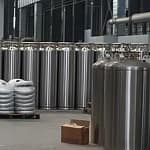
CNG cylinders are pressure vessels designed to store compressed natural gas. Depending on the application and applicable standards, CNG cylinders can be manufactured using different materials and construction technologies.
They are used in vehicle fuel systems as well as stationary and mobile CNG storage applications.
CNG Storage Cascades
CNG cascade systems combine multiple high-pressure cylinders into a storage package. Different banks can be configured for filling, storage, and dispensing operations.
These systems are commonly used for CNG stations, industrial gas supply, and other applications requiring higher storage capacity.
CNG Tube Trailers
CNG tube trailers are designed to transport compressed natural gas from a filling facility to an end-user location. They are an important part of virtual pipeline systems and can supply natural gas to industrial facilities, fueling stations, and remote energy projects.
Looking for a Reliable CNG Storage Solution
We provide CNG cylinders and storage solutions designed for transportation, industrial, power generation, and remote energy applications.
CNG Applications at a Glance
| Application | Typical Use | Typical Equipment |
|---|---|---|
| Transportation | Buses, trucks, refuse vehicles, commercial fleets | CNG vehicle cylinders and fueling systems |
| Industrial | Boilers, furnaces, heating and manufacturing processes | CNG storage, pressure regulation and gas supply systems |
| Power Generation | Electricity generation for industrial and remote facilities | CNG storage, transport equipment and gas engines |
| Remote Energy Supply | Natural gas delivery where pipelines are unavailable | CNG tube trailers, storage cascades and pressure regulation systems |
What Are the Advantages of Using CNG?
Flexible Natural Gas Supply
CNG can be transported by road, allowing natural gas to reach locations that are not connected to a pipeline network.
Multiple Applications
The same basic CNG supply concept can support transportation, industrial fuel requirements, and distributed power generation, although the storage and delivery equipment must be selected for the specific application.
Lower Emissions Than Some Conventional Fuels
When properly combusted, natural gas generally produces lower levels of particulate emissions and certain pollutants than conventional petroleum-based fuels. However, the overall environmental performance of CNG depends on the natural gas source, methane leakage, equipment efficiency, and operating conditions.
Suitable for Virtual Pipeline Systems
CNG can be compressed, transported, stored, and supplied to end users without constructing a conventional natural gas pipeline to every location. This makes it useful for certain remote and temporary energy applications.
CNG vs. LNG: What Is the Difference?
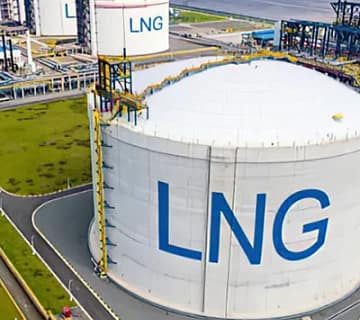
CNG and LNG are both forms of natural gas used for transportation, energy supply, and industrial applications, but their storage methods are fundamentally different.
| Feature | CNG | LNG |
|---|---|---|
| State | Gas | Liquid |
| Storage Method | High-pressure cylinders or pressure vessels | Insulated cryogenic tanks |
| Temperature | Near ambient temperature | Cryogenic temperature |
| Main Equipment | CNG cylinders, cascades and tube trailers | Cryogenic tanks, LNG trailers and pumps |
| Typical Advantage | Flexible storage and regional distribution | Higher volumetric energy density for bulk transportation |
Why CNG Storage Equipment Matters
The effectiveness of a CNG supply system depends not only on the natural gas itself but also on the design of its storage and transportation equipment.
CNG systems must account for operating pressure, storage capacity, filling and discharge requirements, transportation conditions, pressure regulation, applicable standards, and safety requirements.
For industrial and commercial projects, selecting the appropriate CNG cylinders, storage systems, and transportation equipment is therefore an important part of system design.
What Industries Use CNG?
CNG can be used across a wide range of industries and applications, including:
- Public transportation
- Commercial vehicle fleets
- Waste management
- Manufacturing
- Glass and ceramic production
- Food processing
- Metal processing
- Mining
- Power generation
- Remote industrial operations
Choosing CNG Equipment for Your Application
The appropriate CNG equipment depends on the intended application rather than simply the required gas volume.
Important factors include:
- Required CNG storage capacity
- Operating and design pressure
- Gas consumption rate
- Filling and discharge requirements
- Transportation distance
- Installation environment
- Applicable pressure-vessel and transportation regulations
- Required cylinders, tube trailers, cascades, valves, and pressure-control equipment
For a complete CNG project, storage and transportation equipment should be engineered as part of the overall gas supply system rather than selected as isolated components.
Conclusion
So, what is CNG gas used for? The main applications are transportation, industrial fuel supply, power generation, and remote energy delivery.
CNG is particularly useful where natural gas is required but a conventional pipeline is unavailable or where a flexible mobile supply is preferred. High-pressure CNG cylinders, storage cascades, and tube trailers make it possible to store and transport compressed natural gas between supply points and end users.
For businesses planning a CNG storage, transportation, or industrial gas supply project, the right equipment configuration depends on the required capacity, pressure, application, transportation conditions, and applicable standards.
DSW manufactures and supplies gas cylinders and pressure-vessel solutions for industrial gas storage and transportation applications. Contact DSW to discuss your CNG cylinder or CNG storage requirements.
TECHNICAL QUESTIONS
About CNG and CNG Uses
CNG is primarily used as a fuel for transportation, industrial heating and manufacturing, power generation, and natural gas supply to locations without pipeline access.
Yes. CNG can fuel gas engines and generator sets for industrial, commercial, remote, and distributed power-generation applications.
Yes. CNG can provide natural gas for industrial boilers, furnaces, heating systems, and other manufacturing processes, particularly where pipeline natural gas is unavailable.
CNG is commonly transported in specially designed high-pressure cylinders and tube trailers. These can form part of a virtual pipeline system for delivering natural gas to end users.
CNG is natural gas stored as a high-pressure gas, while LNG is natural gas cooled to cryogenic temperatures so that it becomes a liquid. CNG uses high-pressure cylinders and vessels, whereas LNG requires insulated cryogenic storage tanks.
CNG can be stored in high-pressure cylinders, cylinder bundles, and cascade storage systems. The appropriate equipment depends on the required capacity, pressure, application, and applicable regulations.


No comment