




Liquid Oxygen (LOX) is a cryogenic fluid stored at approximately -183°C (-297°F). It is widely used in aerospace propulsion, medical oxygen systems, steel manufacturing, and industrial gas supply chains.
This page provides both verified engineering conversion data and an interactive LOX calculator for real-time unit conversions between mass, liquid volume, and gas volume under standard conditions (1 atm, 15°C).
Engineering Overview (Important for Accurate Use)
- LOX expands approximately 860:1 when vaporized into gas
- Gas values are expressed in SCF and Nm³
- 1 liter LOX ≈ 1.1416 kg ≈ 30.41 SCF oxygen gas
- All values are standard engineering reference approximations
LOX Conversion Reference Table
| Unit Base | Lbs | Kg | SCF (Gas) | Nm³ (Gas) | Gallons (LOX) | Liters (LOX) |
|---|---|---|---|---|---|---|
| 1 lb Oxygen | 1 | 0.4536 | 12.078 | 0.3173 | 0.1050 | 0.3975 |
| 1 kg Oxygen | 2.205 | 1 | 26.632 | 0.6996 | 0.2315 | 0.8762 |
| 1 Ton (2000 lb) | 2000 | 907.2 | 24157 | 635.0 | 209.9 | 794.5 |
| 1 Gallon LOX | 9.528 | 4.321 | 115.1 | 3.026 | 1 | 3.785 |
| 1 Liter LOX | 2.517 | 1.1416 | 30.41 | 0.7995 | 0.2642 | 1 |
| 1 SCF Oxygen Gas | 0.08279 | 0.03755 | 1 | 0.02629 | 0.008689 | 0.03289 |
| 1 Nm³ Oxygen Gas | 3.1491 | 1.4282 | 38.04 | 1 | 0.3305 | 1.2511 |
3. Key Engineering Formulas
Gas (SCF) = LOX (Liters) × 30.41
Gas (Nm³) = LOX (Liters) × 0.7995

LOX (Liters) = SCF ÷ 30.41
LOX (Liters) = Nm³ ÷ 0.7995
Interactive LOX Conversion Calculator
Convert between Liquid Oxygen (LOX) and gas units using standard engineering constants.
Industrial Applications of LOX
- Aerospace propulsion systems (rocket oxidizer)
- Medical oxygen supply systems
- Steel cutting and metal processing
- Industrial gas distribution networks
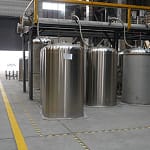
Bulk Liquid Oxygen (LOX) Supply Systems
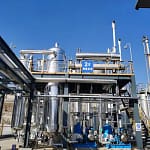
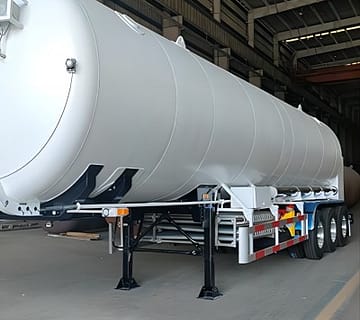
Bulk LOX systems use vacuum-insulated cryogenic tanks, ambient or steam vaporizers, and pipeline distribution to ensure a continuous and stable oxygen supply for large industrial users.
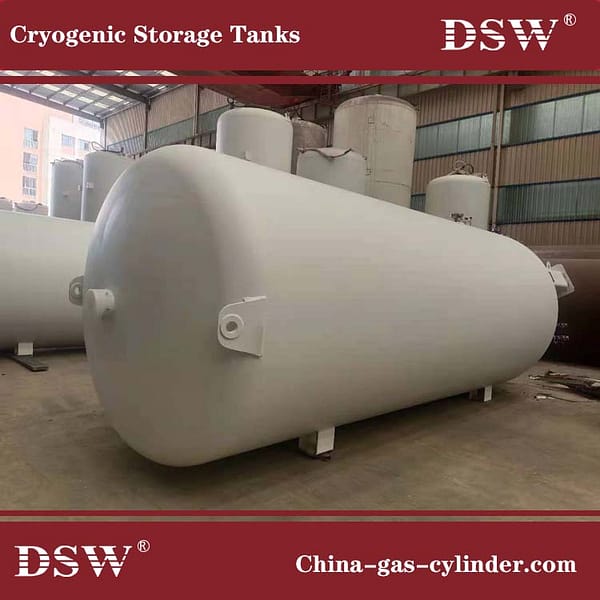
- Vacuum-insulated LOX storage tanks
- Microbulk LOX systems
- ISO tank container transport
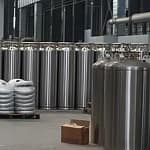
- Liquid Oxygen Dewar
Looking for a Reliable Liquid Oxygen Supply Solution?
Whether you need bulk storage, transport, or on-site supply,
Safety & Engineering Notes
- LOX must be stored in vacuum-insulated cryogenic tanks
- Rapid vaporization can generate high pressure
- Strict oxygen-clean standards are required (no oil/grease)
- Materials must be oxygen-compatible to prevent combustion risk
Engineering Summary
LOX is one of the most important industrial gases due to its extremely high expansion ratio and oxygen concentration. Accurate conversion between liquid and gas phases is critical for safe storage design, pipeline engineering, and system sizing.
Key takeaway: 1 liter of LOX produces approximately 30.41 SCF of oxygen gas under standard conditions.
TECHNICAL QUESTIONS
LOX Conversion Data & Engineering
Liquid oxygen expands approximately 860 times when converting from liquid to gas at standard conditions (1 atm and 15°C).
One liter of liquid oxygen produces approximately 30.41 standard cubic feet (SCF) of oxygen gas under standard conditions.
To convert liquid oxygen to normal cubic meters, multiply the volume in liters by 0.7995.
Accurate LOX conversion is essential for cryogenic tank sizing, vaporizer design, gas supply planning, and safe pressure management in industrial oxygen systems.
Temperature, pressure, and the definition of standard conditions (SCF vs Nm3) can influence oxygen gas volume calculations from liquid oxygen.
 Conversion Data & Interactive Engineering Calculator)
No comment