




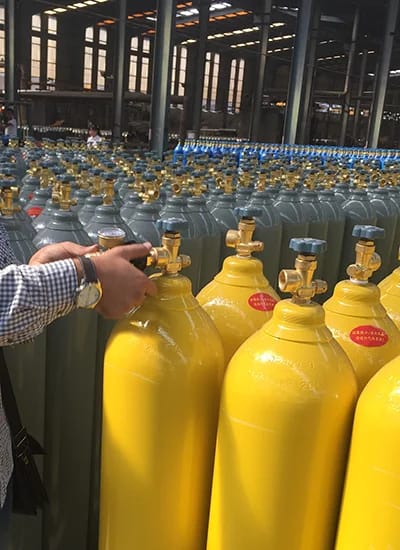
High-pressure gas cylinders are crucial for industrial, medical, and laboratory applications. Knowing the **gas cylinder pressure**, its **type**, and safety protocols ensures proper handling, compliance, and efficiency. In this guide, we explain how pressure is determined, measured, and how to choose the right cylinder for your needs.
1. Factors Affecting Gas Cylinder Pressure
The **pressure inside a high-pressure gas cylinder** depends on multiple factors:
- Type of Gas: Each gas compresses differently. Hydrogen, oxygen, nitrogen, and CO₂ have distinct pressure behaviors.
- Temperature: Pressure rises with heat and falls when cold, following the ideal gas law.
- Cylinder Volume: Cylinder size and internal volume affect the relationship between gas quantity and pressure. For detailed information about cylinder capacities, dimensions, and configurations, see our gas cylinder sizes guide.
- Filling Level: More gas in a cylinder increases internal pressure.
Understanding these factors is critical for industrial gas storage and supply systems.

2. Typical Working Pressure for Common Gases
High-pressure cylinders are engineered to maintain specific pressures safely. Below are common examples:
| Gas | Working Pressure (bar) | Notes |
|---|---|---|
| Oxygen (O₂) | 150–200 | Medical and industrial applications |
| Nitrogen (N₂) | 150–200 | Laboratory and industrial use |
| Hydrogen (H₂) | 200–350 | Fuel cells and industrial processing |
| Argon (Ar) | 150–200 | Welding and laboratory use |
| Carbon Dioxide (CO₂) | 60–80 | Liquid under pressure, used in beverages & fire suppression |
3. How Gas Cylinder Pressure is Measured
Pressure measurement ensures safety and accuracy. There are two main types of gauges:
- Analog Pressure Gauges: Traditional dials that provide real-time pressure readings.
- Digital Pressure Gauges: More precise, often with temperature compensation and logging features.
Always measure **cylinder pressure at ambient temperature**, and never use incompatible gauges.
4. Gas Cylinder Safety Guidelines
**High-pressure gas cylinders** can be hazardous if mishandled. Key safety measures:
- Store cylinders upright and secure them to prevent tipping.
- Keep cylinders away from heat sources; pressure rises with temperature.
- Use valves, regulators, and gauges rated for the gas type and pressure.
- Regularly inspect cylinders for corrosion, dents, or leaks.
- Only trained personnel should refill cylinders.
Even minor leaks can pose serious risks in industrial or medical environments.
5. Gas Cylinder Types, Materials, and Pressure Ranges
Gas cylinder pressure ranges vary depending on the cylinder material, gas type, and intended application. For a broader overview of gas cylinders, including cylinder types, materials, standards, and applications, see our Gas Cylinders Guide. The table below compares common cylinder types, typical gases, and their standard working pressures.
Why Cylinder Pressure Varies
- Gas properties: compressed, liquefied, or dissolved
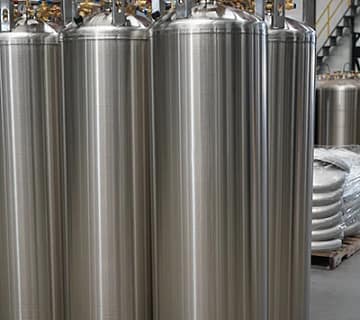
- Cylinder material: steel, aluminium, or composite
- Design certification: working vs test pressure
- Application requirements: industrial, medical, or energy systems
Safety Reminder
- Never exceed stamped working pressure
- Check cylinder markings before use
- Use proper regulators
- Secure cylinders upright
| Cylinder Type | Material | Typical Gases | Working Pressure |
|---|---|---|---|
| Aluminium Cylinders | Aluminium Alloy | Oxygen, Nitrogen, Medical Air | 150–200 bar |
| Steel T Cylinder | Carbon Steel | Industrial Oxygen, Nitrogen, Argon | 200–300 bar |
| High-Pressure Steel Cylinder | High-strength Steel | Hydrogen, Helium, Nitrogen | 300–450 bar |
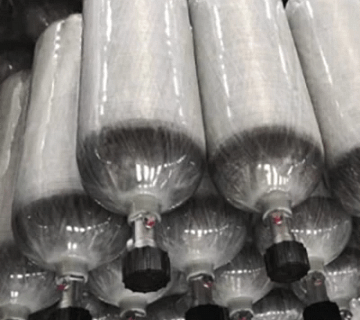
| Composite Cylinder | Carbon Fiber + Liner | Hydrogen, CNG | 350–700 bar |
| Acetylene Cylinder | Steel (porous mass) | Acetylene | 10–20 bar |
| CO₂ gas cylinders | Steel | Carbon Dioxide | 50–80 bar |
Need Help Choosing the Right Gas Cylinder?
Get expert help choosing the right gas cylinder for your application.
6. Hydrostatic Testing of Gas Cylinders
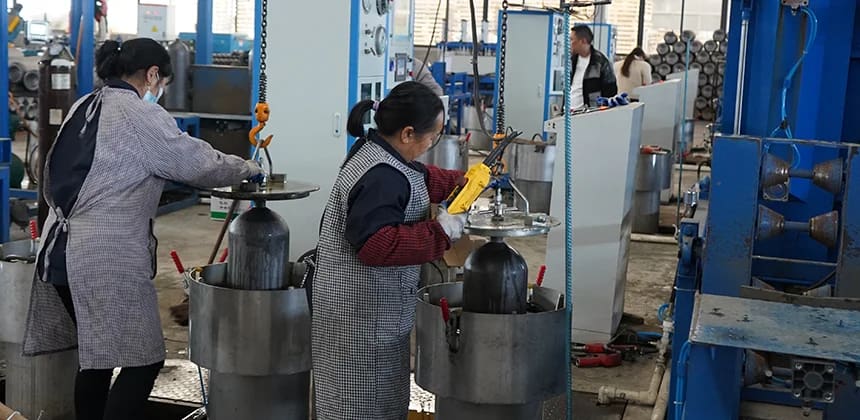
High-pressure gas cylinders undergo periodic **hydrostatic testing** to ensure structural integrity and safety. In this test:
- The cylinder is filled with water to prevent explosive energy release.
- Pressure is applied above the working pressure (typically 1.5× rated pressure).
- Permanent deformation and leaks are checked before the cylinder is certified for continued use.
Hydrostatic testing is **mandatory in most countries** (e.g., DOT, ISO, EN, GB standards) and ensures that cylinders remain safe for industrial, medical, and laboratory applications.
6. Conclusion
Understanding **high-pressure gas cylinder pressure**, types, and safety measures is essential for industrial, medical, and laboratory environments.
TECHNICAL FAQs
About Gas Cylinder Pressure
The pressure in a high-pressure gas cylinder typically ranges from 150 to 300 bar for most industrial gases, while advanced cylinders such as hydrogen or composite cylinders can reach up to 700 bar depending on material and design.
Different gas cylinders have different pressures due to gas properties, cylinder material (steel, aluminium, or composite), design standards, and intended applications such as industrial, medical, or energy storage.
An oxygen cylinder typically has a working pressure between 150 and 200 bar, depending on the cylinder size, material, and regional safety standards.
Yes, aluminium cylinders generally have slightly lower working pressure limits compared to steel cylinders due to differences in material strength, although both are designed to meet strict safety standards.
Composite hydrogen cylinders can reach pressures up to 700 bar, making them the highest-pressure commercial gas cylinders used in energy and hydrogen mobility applications.
Gas cylinder pressure is measured using analog or digital pressure gauges. Readings should always be taken at ambient temperature to ensure accuracy and safety.
Safety precautions include storing cylinders upright and secured, avoiding heat exposure, using correct regulators, inspecting for damage, and ensuring only trained personnel handle refilling or maintenance.



No comment