




Introduction
Selecting the correct pressure vessel is essential for safe, compliant, and cost-effective gas storage. In the United States, two of the most common vessel categories are ASME tanks and DOT cylinders. Although both are designed to contain pressurized gases, they serve different purposes and are governed by different regulations.
Understanding the differences between ASME tanks and DOT cylinders helps facility managers, industrial gas distributors, engineers, procurement teams, and business owners choose the most suitable solution for their application.
This guide explains the design standards, applications, regulatory requirements, inspection procedures, advantages, and limitations of each option.
What Is an ASME Tank?
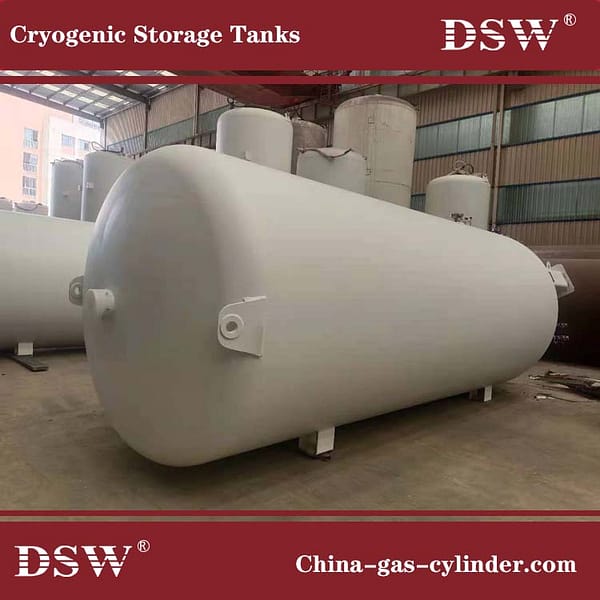
An ASME tank is a stationary pressure vessel manufactured according to the ASME Boiler and Pressure Vessel Code (BPVC) developed by the American Society of Mechanical Engineers (ASME).
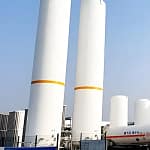
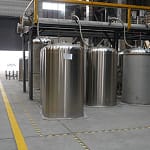
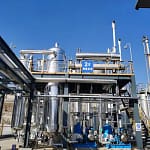
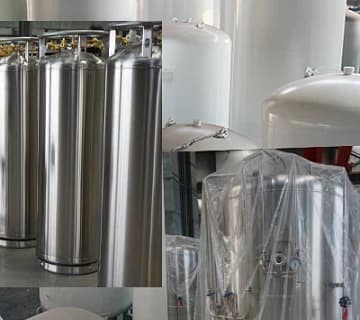
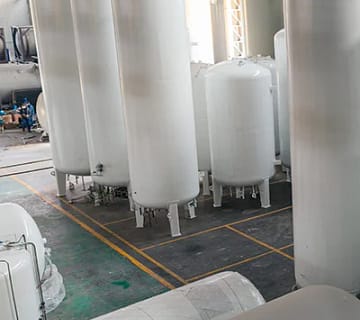
These tanks are designed for long-term, on-site storage of compressed gases, liquefied gases, and cryogenic fluids. ASME tanks are commonly installed at industrial facilities, manufacturing plants, hospitals, energy terminals, and commercial properties.
Common Applications of ASME Tanks
- Bulk propane storage
- LNG storage systems
- Liquid oxygen (LOX) storage
- Liquid nitrogen (LIN) storage
- Liquid argon storage
- Compressed air systems
- Hydrogen storage installations
- Industrial gas supply stations
Typical Features
- Large storage capacities
- Permanent installation
- Heavy-duty construction
- Long service life
- Designed for stationary operation
- Available in horizontal and vertical configurations
What Is a DOT Cylinder?
A DOT cylinder is a transportable pressure vessel manufactured according to regulations established by the U.S. Department of Transportation (DOT).
DOT cylinders are specifically designed for the transportation and distribution of compressed gases. They are commonly used when gases need to be moved between filling stations, distributors, customers, and job sites.
Common Applications of DOT Cylinders
- Medical oxygen cylinders
- Welding gas cylinders
- Industrial gas distribution
- Beverage-grade CO₂ systems
- Specialty gas supply
- Laboratory gases
- Portable propane cylinders
- Emergency response equipment
Typical Features
- Portable design
- Lightweight construction
- Easy transportation
- Various sizes and capacities
- Refillable and reusable
- Suitable for mobile applications
ASME Tank vs DOT Cylinder: Quick Comparison
| Feature | ASME Tank | DOT Cylinder |
|---|---|---|
| Primary Purpose | Stationary gas storage | Transportable gas storage |
| Governing Standard | ASME BPVC | DOT Regulations |
| Installation | Permanent | Portable |
| Capacity | Medium to very large | Small to medium |
| Transportation | Not intended for routine transport | Designed for transportation |
| Inspection Requirements | Periodic inspection and maintenance | Periodic requalification required |
| Typical Users | Industrial facilities, hospitals, LNG terminals | Gas distributors, welders, laboratories |
| Service Life | Long-term stationary use | Repeated filling and transport cycles |
| Marking | ASME nameplate and U-stamp (where applicable) | DOT specification markings |
| Storage Volume | High-volume bulk storage | Smaller distributed storage |
Design Standards and Regulatory Requirements
ASME Tank Requirements
ASME tanks are designed according to strict engineering requirements covering:
- Material selection
- Pressure calculations
- Weld quality
- Nondestructive examination
- Manufacturing procedures
- Hydrostatic testing
- Safety devices
The ASME code is widely recognized throughout North America and internationally for pressure vessel safety.
DOT Cylinder Requirements
DOT cylinders must comply with transportation regulations that address:
- Design specifications
- Material requirements
- Manufacturing controls
- Marking and identification
- Pressure testing
- Transportation safety
- Requalification intervals
Common DOT cylinder specifications include DOT-3AA steel cylinders and DOT-3AL aluminum cylinders.
Capacity Differences
One of the most significant distinctions between ASME tanks and DOT cylinders is storage capacity.
DOT Cylinder Capacity
DOT cylinders are generally used for smaller quantities of gas and may range from small portable cylinders, medical oxygen cylinders, standard industrial cylinders, to large cylinder bundles. Capacity is commonly expressed in liters, cubic feet, or gas weight.
ASME Tank Capacity
ASME tanks are designed for bulk storage and may range from 120-gallon propane tanks, 500-gallon storage tanks, 1,000-gallon bulk tanks, large cryogenic storage systems, to industrial storage vessels exceeding tens of thousands of gallons. Capacity is typically measured in gallons or cubic meters.
Inspection and Testing Requirements
DOT Cylinder Requalification
DOT cylinders require periodic requalification to verify continued safe operation.
Depending on cylinder type and applicable regulations, testing may include:
- Hydrostatic testing
- Visual inspection
- Ultrasonic examination
- Marking verification
Requalification intervals vary according to cylinder specification and regulatory requirements.
ASME Tank Inspection
ASME tanks generally do not require the same recurring requalification process used for transport cylinders.
However, operators should conduct:
- External inspections
- Internal inspections when applicable
- Safety relief valve maintenance
- Corrosion monitoring
- Operational safety checks
Local regulations and industry standards may impose additional inspection requirements.
Advantages of ASME Tanks
Bulk Storage Efficiency
ASME tanks allow facilities to store large gas volumes on-site, reducing delivery frequency.
Lower Operating Costs
For facilities with high gas consumption, bulk storage often lowers the cost per unit of gas.
Reliable Supply
Large storage capacities help maintain uninterrupted operations during peak demand.
Long Service Life
Properly maintained ASME tanks can remain in service for decades.
Advantages of DOT Cylinders
Portability
DOT cylinders can be transported to virtually any location where gas is needed.
Flexibility
Users can easily exchange, refill, or relocate cylinders.
Lower Initial Investment
Smaller gas users often benefit from lower upfront costs compared with installing bulk storage systems.
Ideal for Mobile Applications
DOT cylinders are suitable for construction sites, laboratories, healthcare facilities, and field operations.
Which Option Is Right for Your Application?
Choose an ASME Tank If:
- You require bulk gas storage.
- Gas consumption is high.
- The installation is permanent.
- Delivery frequency needs to be minimized.
- Long-term operating efficiency is a priority.
Choose a DOT Cylinder If:
- Gas demand is relatively low.
- Portability is important.
- Transportation is required.
- Multiple work locations are involved.
- Initial investment must be minimized.
Industries That Commonly Use Both
Many industries utilize both ASME tanks and DOT cylinders as part of an integrated gas supply system.
Examples include:
Healthcare
Hospitals may use bulk liquid oxygen tanks while maintaining portable oxygen cylinders for patient transport.
Manufacturing
Factories often install bulk nitrogen or argon storage tanks while using cylinders at individual workstations.
Energy and LNG
Large LNG storage facilities rely on ASME pressure vessels, while service and maintenance teams may use portable gas cylinders.
Research Laboratories
Laboratories frequently combine centralized gas systems with specialty gas cylinders.
TECHNICAL QUESTIONS
FAQs About ASME Tank vs DOT Cylinder
No. ASME tanks are stationary pressure vessels designed for permanent installation, while DOT cylinders are transportable pressure vessels designed for transportation and distribution.
ASME tanks can be transported when empty and under specific conditions, but they are not intended for routine transport like DOT cylinders.
Both ASME tanks and DOT cylinders are safe when properly designed, installed, maintained, and operated according to applicable regulations.
For high-volume gas consumption, ASME tanks typically provide lower long-term operating costs. For smaller or mobile applications, DOT cylinders are often more economical.
Final Thoughts
ASME tanks are large, stationary pressure vessels used for bulk storage of industrial, medical, and cryogenic gases such as nitrogen, oxygen, argon, LNG, and propane, built to ASME BPVC standards. In contrast, DOT cylinders are portable containers used for transporting and distributing compressed gases, including welding gases, medical oxygen, and specialty laboratory gases, regulated under DOT specifications. The main differences lie in mobility, storage capacity, applicable gases, and regulatory compliance requirements.




No comment