
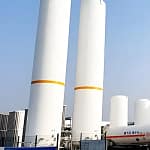
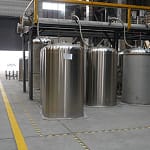

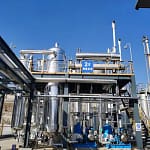


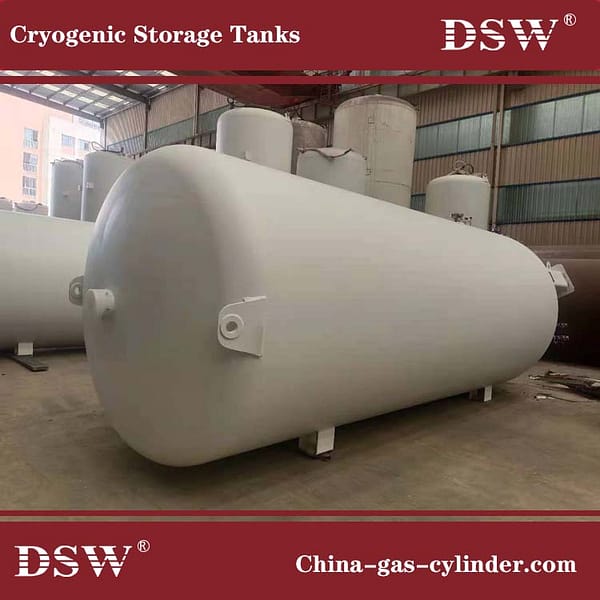

Cryogenic tank manufacturers design and manufacture specialized vessels for storing and transporting liquefied gases at extremely low temperatures, including liquid nitrogen (LN₂), liquid oxygen (LOX), liquid argon (LAR), liquid hydrogen (LH₂), helium, and LNG.
When comparing cryogenic tank manufacturers, buyers typically need to evaluate more than tank capacity and price. Manufacturing capability, vacuum insulation technology, applicable design standards, testing and inspection, customization, export experience, and technical support can all affect the suitability of a tank for a specific project.
This guide compares 11 cryogenic tank manufacturers and suppliers serving different segments of the global cryogenic equipment market. It also explains what to evaluate when selecting a manufacturer for bulk storage tanks, transport tanks, ISO tank containers, dewars, and other cryogenic vessels.
What Is a Cryogenic Tank Manufacturer?
A cryogenic tank manufacturer designs and produces insulated pressure vessels and storage systems for liquefied gases maintained at cryogenic temperatures. Depending on the application, manufacturers may supply stationary bulk tanks, microbulk tanks, transport vessels, ISO tank containers, dewars, or customized cryogenic systems.
These tanks commonly use vacuum insulation, pressure-control systems, specialized materials, and engineered piping to reduce heat transfer and manage pressure during storage and handling.
For buyers looking for actual products, see our cryogenic tanks category for available tank types and configurations.
Types of Cryogenic Tanks Supplied by Manufacturers
Manufacturers produce different cryogenic tank configurations depending on capacity, mobility, gas type, operating pressure, and application.
| Tank Type | Typical Use | Main Characteristics |
|---|---|---|
| Cryogenic Dewars | Laboratories, medical applications, small-scale cryogen handling | Portable, vacuum-insulated vessels for relatively small quantities |
| Microbulk Tanks | Small and medium industrial or medical gas users | On-site liquid gas storage with reduced delivery frequency |
| Bulk Cryogenic Storage Tanks | Industrial gas plants, hospitals, manufacturing facilities | Stationary high-capacity storage with vacuum insulation and pressure control |
| ISO Tank Containers | International transport and multimodal logistics | Transportable tank containers designed for international logistics |
| Cryogenic Transport Trailers | Road transportation and bulk gas distribution | Vacuum-insulated transport tanks mounted on traile |
Applications of Cryogenic Tanks
Cryogenic tanks are used across a wide range of industries where liquefied gases need to be stored, distributed, or transported under controlled conditions.
- Industrial Gas: Storage and distribution of liquid nitrogen, oxygen, argon and other industrial gases.
- LNG and Energy: LNG storage, transportation, fueling infrastructure and energy projects.
- Hydrogen: Liquid hydrogen storage and transportation for emerging hydrogen applications.
- Medical and Healthcare: Medical oxygen and liquid nitrogen storage for hospitals and healthcare facilities.
- Laboratories and Research: Cryogenic storage for nitrogen, helium and other cryogenic liquids.
- Marine and Offshore: LNG and other cryogenic storage and transport applications.
- Aerospace and High-Tech: Specialized cryogenic storage and fuel applications.
How to Evaluate Cryogenic Tank Manufacturers
There is no single specification that determines whether a cryogenic tank manufacturer is suitable for a project. Buyers should evaluate the manufacturer against the actual gas, capacity, operating conditions, destination market, and project requirements.
- Manufacturing Capability: Review fabrication facilities, welding capability, vacuum-insulation technology, assembly capacity, and quality-control processes.
- Tank Types and Capacity: Confirm that the manufacturer supplies the required tank configuration, working volume, design pressure, and installation or transport format.
- Gas Compatibility: Verify that the tank is designed for the intended cryogenic liquid, such as LN₂, LOX, LAR, LNG, LH₂, or helium.
- Design Standards: Check the standards and regulations applicable to the destination market and project, such as ASME, PED, EN, ISO, or other applicable requirements.
- Testing and Inspection: Review pressure testing, vacuum testing, leak testing, material inspection, non-destructive testing, and third-party inspection requirements where applicable.
- Customization: For specialized projects, confirm whether the manufacturer can provide customized dimensions, piping, valves, pressure ratings, insulation systems, transport frames, or other configurations.
- Export and Project Experience: International projects may require specific documentation, certifications, inspection procedures, packaging, transportation, and local regulatory compliance.
- Technical and After-Sales Support: Evaluate engineering communication, documentation, spare parts, commissioning support, and long-term technical assistance.
These factors provide a more practical basis for comparing manufacturers than price alone.
Top 11 Cryogenic Tank Manufacturers and Suppliers in 2026
The following companies represent different segments of the cryogenic equipment industry, including bulk storage, transport vessels, ISO containers, dewars, specialized cryogenic equipment, and customized pressure vessels.
Comparison Table: Top 11 Cryogenic Tank Manufacturers – Features & Applications
| Manufacturer | Typical Tank Types | Capacity Range | Industry Focus | Certifications / Standards | Notable Strengths |
|---|---|---|---|---|---|
| Chart Industries (USA) | Fixed tanks, ISO tanks, vapourisers | 1 m³ – 50 m³+ | Energy, industrial gas networks, hydrogen infrastructure, LNG storage, medical gas supply | ASME Section VIII, PED, EN, ISO | Full liquid gas supply chain solutions, advanced engineering, global presence |
| Linde (Germany) | Bulk tanks, mobile tanks, hydrogen tanks | 1 m³ – 40 m³ | Clean energy transition, hydrogen technologies, medical gases, semiconductor production, industrial gas infrastructure | ISO, PED, ASME | Hydrogen and clean energy expertise, sustainability, engineering excellence |
| Cryofab Inc. (USA) | Dewars, vessels, custom tanks | 0.5 m³ – 20 m³ | Industrial gas supply, laboratories, medical facilities, biotech, semiconductors | ASME, DOT, PED | Custom OEM/private label fabrication, broad cryogenic container range |
| DSW Industry (China) | Fixed tanks, ISO tanks, dewars | 1 m³ – 50 m³ | Industrial gases, medical gas networks, energy projects, international supply | ASME, ISO, PED/CE | Large-scale production, reliable performance, competitive pricing |
| Eden Cryogenics (USA) | High-vacuum vessels, helium fridges | 0.5 m³ – 10 m³ | Aerospace, energy systems, laboratories, research facilities | ASME, PED | High vacuum expertise, specialised cryogenic engineering, precision equipment |
| Gardner Cryogenics (USA) | Hydrogen & helium tanks | 0.5 m³ – 15 m³ | Industrial gas storage and transport, research laboratories, hydrogen and helium markets | ASME, ISO | Minimal heat leakage, cost-efficient storage and transfer, high-purity gas support |
| FIBA Technologies (USA) | Cryogenic storage tanks, containment systems | 1 m³ – 50 m³ | Industrial and chemical plants, oil & gas, specialty gases, alternative fuels | ASME, ISO | Long-standing experience, advanced containment technology, industrial gas applications |
| Auguste Cryogenics (Slovakia) | Small & bulk cryogenic tanks | 2 000 L – 350 000 L | Industrial gas storage (N₂, O₂, H₂, CO₂), multi-gas solutions, custom projects | ISO 9001, PED (2014/68/EU) | Superior vacuum insulation, corrosion-resistant piping, custom-built tanks |
| Wessington Cryogenics (UK) | Bulk tanks, ISO containers, road tankers | 1 m³ – 50 m³ | Industrial gas, energy, CO₂, bio-LNG, hydrogen storage, logistics | ASME, ISO | 40+ years of experience, custom designs, engineering innovation, global supply |
| Suretank Group Ltd (Ireland) | Modular cryogenic tanks, bespoke pressure vessels | 1 m³ – 50 m³ | Energy, marine, offshore infrastructure, industrial projects | ISO, PED | Tailored modular solutions, offshore project expertise, certified large-scale installations |
| Cryoquip Australia (Nikkiso Group) | Cryogenic tanks, small processing plants | 1 m³ – 30 m³ | Industrial gas production, processing plant infrastructure, service & support | ASME, ISO | 75 years of experience, international reach, small-scale plant capabilities |
Chart Industries
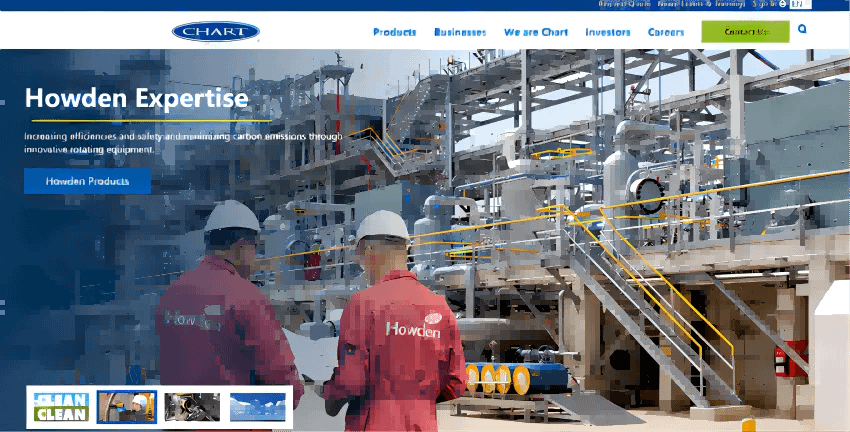
- Industry Focus: Energy infrastructure, industrial gases, hydrogen storage, LNG supply networks.
- Key Products: Cryogenic storage tanks (fixed & mobile), liquefaction systems, ISO transport tanks, vapourisers, vacuum insulated piping.
- Applications: Bulk cryogenic storage, LNG distribution, hydrogen fuelling, industrial gas hubs, medical gas systems.
- Certifications / Standards: ASME, PED, ISO compliance.
Linde plc
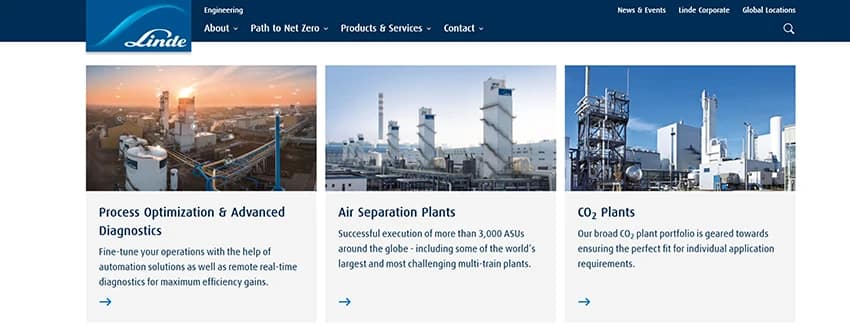
- Industry Focus: Hydrogen technologies, medical gases, clean energy systems, semiconductor gases.
- Key Products: Bulk cryogenic tanks, high-capacity storage systems, integrated hydrogen liquefaction and storage solutions.
- Applications: Medical oxygen networks, hydrogen energy systems, semiconductor facilities, industrial gas storage.
- Certifications / Standards: PED, ISO, international quality certifications.
Cryofab Inc.
Cryofab is a long-established U.S. specialist manufacturer of cryogenic storage and transfer equipment, founded in 1971 and based in New Jersey. Its core strengths are custom cryogenic fabrication, dewars and vessels, transfer lines, vacuum-jacketed piping, valves/components, and specialized applications such as helium and hydrogen, alongside conventional LN₂/LOX/LAr equipment.
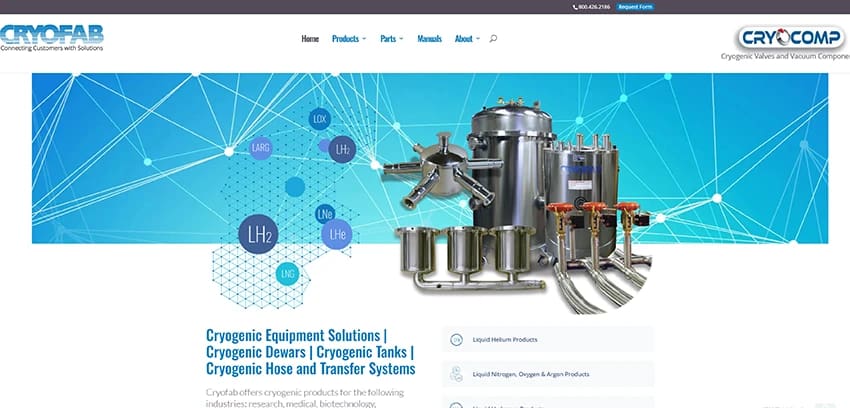
- Product Focus: Cryogenic tanks, dewars, vessels and custom fabrications.
- Applications: Industrial gases, laboratories, medical facilities and biotechnology.
- Capability: Custom cryogenic equipment and container fabrication.
DSW Industry
DSW Industry supplies cryogenic storage and transport equipment for industrial gas, LNG, medical gas and related applications. Its product range includes bulk cryogenic tanks, ISO tank containers, cryogenic transport equipment, and smaller-scale storage systems.
DSW works with international customers on different tank configurations and project requirements, including vacuum-insulated cryogenic vessels and customized equipment.
Industry Focus
- Industrial gas storage and distribution
- LNG and clean energy infrastructure
- Medical oxygen and healthcare gas systems
- Hydrogen storage and emerging energy applications
- International cryogenic logistics and transport systems
Key Products
- Bulk cryogenic storage tanks (LOX, LIN, LAR, LNG)
- ISO cryogenic tank containers
- Cryogenic transport trailers / semi-trailers
- Microbulk and small-scale storage systems
- Vacuum-insulated cryogenic pressure vessels
Applications
- Industrial gas supply networks and production plants
- LNG storage, distribution, and fueling infrastructure
- Medical oxygen supply systems for hospitals
- Laboratory and research cryogenic storage
- Steel, chemical, semiconductor, and manufacturing industries
Certifications / Standards
- ASME Section VIII pressure vessel certification
- EU PED (Pressure Equipment Directive) compliance
- ISO 9001 quality management system
- CE marking for European market compliance
- International inspection and third-party testing support
● Eden Cryogenics
Eden Cryogenics, a manufacturer of cryogenic tanks and equipment, specializes in manufacturing cryogenics. It provides engineering, design, and manufacturing of high vacuum and cryogenic equipment, such as cryogenic vessels and helium fridges. The company also offers a range of cryogenic couplings and filters and serves aerospace, energy, and laboratory facilities.
Gardner Cryogenic
Gardner Cryogenics designs, manufactures, and distributes high-performance and reliable storage tanks that can transport hydrogen or helium molecules anywhere in the world. With over 50 years of experience, Gardner provides customers with industry-leading technology that allows them to store and move molecules cost-effectively with almost zero loss. Gardner’s unique technology offers the lowest possible heat leakage for the highest yield in transporting, storing, and transferring hydrogen and helium.
Our team of experienced cryogenics experts leverages our technology to help our customers meet their specific storage and transportation needs and budget requirements.
● FIBA Technologies
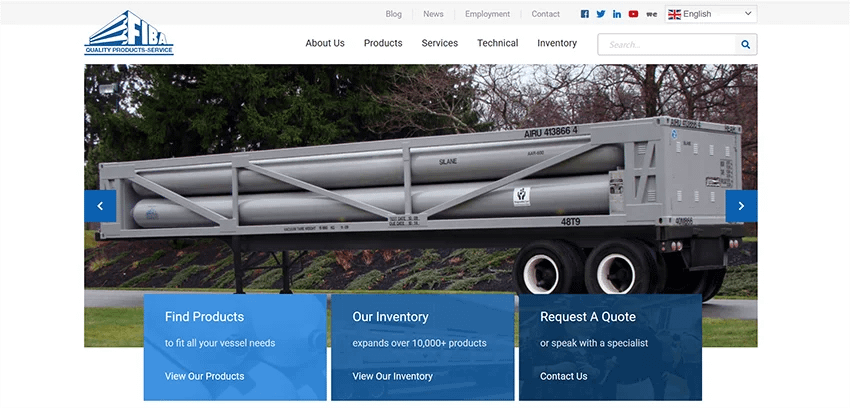
FIBA Technologies, Inc., a global cryogenic tank specialist, provides equipment and services to industrial, chemical, speciality gas, oil and gas exploration, alternative fuel, and offshore industries. FIBA was founded in 1958 and committed to providing superior, safe, technologically advanced products. We remain committed to excellence as markets for cryogenic equipment and service expand.
Auguste Cryogenics
Auguste Cryogenics is a cryogenic tank manufacturer based in Slovakia, producing vacuum-insulated vessels for nitrogen, oxygen, argon, CO₂, LNG, and hydrogen. Its portfolio includes microbulk and bulk storage tanks, with standard bulk capacities from 2,000 to 81,000 L and larger custom vessels available. The company operates a 24,000+ m² production facility and follows ISO 9001:2015 and PED 2014/68/EU requirements.
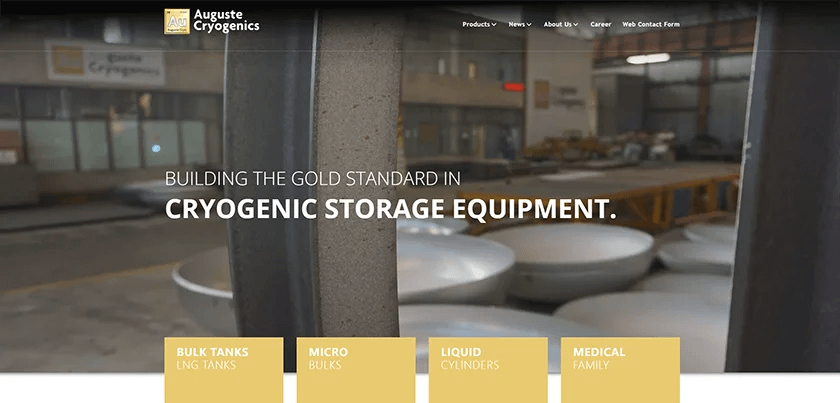
- Product Focus: Cryogenic bulk tanks, microbulk tanks, CO₂ tanks, LNG/hydrogen tanks, and transportable vessels.
- Applications: Industrial gases, healthcare, food processing, LNG, hydrogen, CO₂, laboratories, and research.
- Capability: 70–350,000 L vessel portfolio; standard and custom designs; vacuum/perlite or multilayer insulation; stainless-steel and carbon-steel construction.
● Wessington Cryogenics
A Global Leader in Cryogenic Vessels
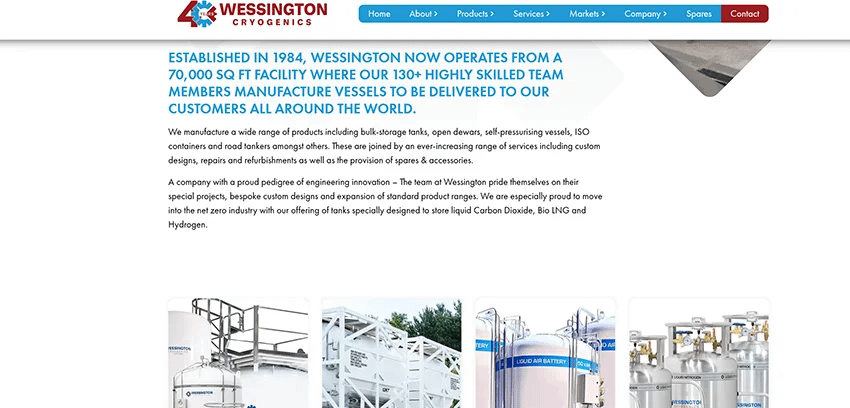
Wessington has over 40 years of experience providing safe, reliable, innovative cryogenic systems. We serve a variety of industries worldwide, offering high-quality solutions that meet the highest standards.
Founded in 1984, Wessington operates from a 70,000 sq ft facility. Our team of 130+ skilled professionals manufactures a wide range of cryogenic vessels, including bulk-storage tanks, open dewars, self-pressurizing vessels, ISO containers, and road tankers. These products are shipped to customers around the world.
At Wessington, we focus on engineering innovation. Our team specializes in custom designs and expands our product range to meet client needs. We proudly support the transition to net zero with tanks designed to store liquid carbon dioxide, bio-LNG, and hydrogen.
Customer’s Comments: Wessington’s cryogenic vessels have consistently met our high standards for quality and reliability. Their custom designs and responsive service have been invaluable to our operations, ensuring efficient and safe storage solutions. We trust Wessington for both their innovative solutions and their commitment to sustainability.
● Suretank Group Ltd
Bespoke Pressure Vessel Solutions for sectors such as Energy, Marine, Infrastructure, and Industry.
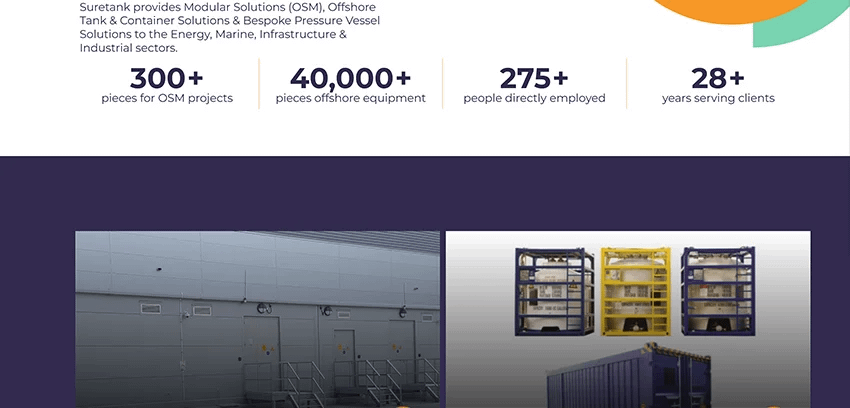
Suretank, founded in Ireland in Co. Louth in 1995, is a leading engineering solution company with over 27 years of experience designing and manufacturing certified products, solutions, and services.
As one of the world’s leading cryogenic tank suppliers. The company specializes in Modular Solutions, Offshore Tank & Container Solutions, and Bespoke Pressure Vessel Solutions for sectors such as Energy, Marine, Infrastructure, and Industry. Suretank’s offerings include cryogenic solutions, and the company is committed to delivering tailored solutions for customers, with a focus on enabling success across various industries. It has over 275 employees and a strong track record of completing major projects worldwide.
● Cryoquip Australia
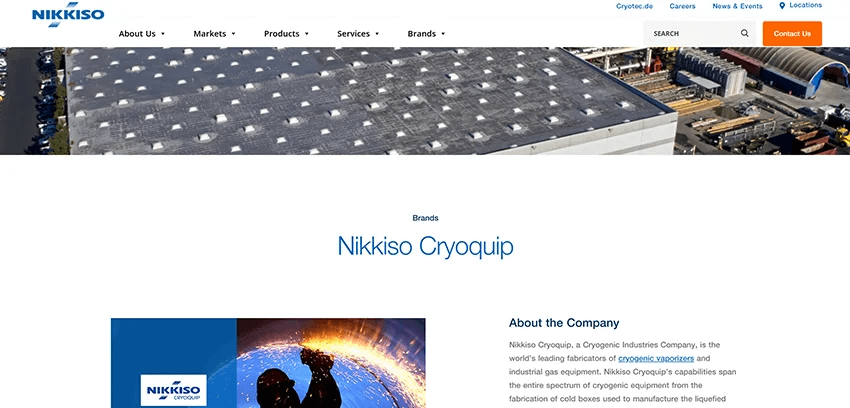
Cryogenic Industries, Inc. and its member companies have been manufacturing cryogenic equipment, small-scale processing plants, and well service and industrial gas for nearly 75 years.
Cryogenic Industries, the parent company, is Nikkiso ACD and Nikkiso Cosmodyne. Nikkiso Cryoquip, Australia, Nikkiso Cryoquip U.K., Nikkiso Cryoquip (Europe), and Nikkiso ACD Cryo.
How to Choose a Cryogenic Tank Manufacturer
After identifying potential manufacturers, compare their capabilities against the actual requirements of your project.
1. Define the Cryogenic Liquid
First identify the liquid to be stored or transported, such as liquid nitrogen, liquid oxygen, liquid argon, LNG, liquid hydrogen, or helium. Different liquids can require different materials, insulation systems, pressure conditions, valves, fittings, and safety requirements.
2. Determine Capacity and Operating Conditions
Define the required working volume, design pressure, operating pressure, temperature range, filling method, discharge rate, and installation or transportation conditions.
3. Check Applicable Standards
Confirm which standards and regulations apply to the project and destination market. Depending on the application, requirements may involve ASME, PED, EN, ISO, CE marking, transport regulations, or local pressure-vessel requirements.
4. Review Manufacturing and Testing Capability
Ask the manufacturer about fabrication processes, welding procedures, vacuum insulation, pressure testing, leak testing, non-destructive testing, material certificates, inspection records, and third-party inspection where required.
5. Consider Customization Requirements
Some projects require customized tank dimensions, support structures, piping arrangements, valves, instrumentation, pressure ratings, insulation systems, or transportation configurations. Confirm the manufacturer’s engineering and customization capability before placing an order.
6. Evaluate Documentation and Export Support
For international projects, technical drawings, material certificates, inspection documentation, test reports, certification documents, packing requirements, shipping arrangements, and customs documentation can be important parts of the procurement process.
7. Compare Long-Term Technical Support
For large storage systems or specialized cryogenic equipment, consider the manufacturer’s ability to provide spare parts, technical documentation, troubleshooting support, commissioning assistance, and future service.
Conclusion
Choosing a cryogenic tank manufacturer requires evaluating the complete technical and commercial requirements of the project rather than comparing price alone.
Important factors include tank type, capacity, cryogenic liquid, design pressure, insulation technology, applicable standards, testing and inspection, customization capability, export experience, and technical support.
The manufacturers discussed in this guide serve different segments of the cryogenic equipment market. Buyers should compare each company’s capabilities against their specific application, destination market, certification requirements, and project conditions.
For bulk storage and related cryogenic equipment, you can also review our cryogenic storage solutions and industrial gas storage and supply resources.
TECHNICAL QUESTIONS
FAQs for The top cryogenic tank manufacturers and suppliers
Cryogenic tanks are widely used in industrial gas supply, energy and clean fuel infrastructure (hydrogen, LNG, bio-LNG), medical and laboratory applications (oxygen, liquid nitrogen, helium), semiconductor manufacturing, steel and chemical industries, as well as marine and offshore applications for modular transportable tanks.
Reliable cryogenic tanks comply with international standards such as ASME Section VIII, PED (Pressure Equipment Directive), ISO certifications, and CE markings. These standards ensure operational safety, pressure containment, material integrity, and regulatory compliance for industrial, medical, and laboratory environments.
Cryogenic tanks minimize boil-off using multi-layer vacuum insulation, low-thermal-conductivity materials, and pressure control systems. These design elements reduce heat transfer from the environment to the stored cryogenic liquid, ensuring maximum storage density and safe long-term containment.
The top cryogenic tank manufacturers and suppliers include Chart Industries (USA), Linde (Germany), Cryofab Inc. (USA), DSW Industry (China), Eden Cryogenics (USA), Gardner Cryogenics (USA), FIBA Technologies (USA), Auguste Cryogenics (Slovakia), Wessington Cryogenics (UK), Suretank Group Ltd (Ireland), and Cryoquip Australia (Nikkiso Group). They are recognized for engineering innovation, global certifications, and high-performance cryogenic solutions.
When selecting a cryogenic tank manufacturer, consider required storage capacity, liquid type, application-specific design, regulatory compliance (ASME, PED, ISO, CE), modularity, vacuum insulation, corrosion resistance, and global service support. Choosing the right manufacturer ensures operational safety, efficiency, and minimal boil-off for cryogenic liquids.


No comment