
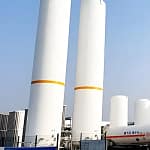
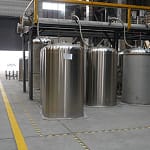
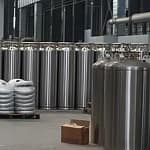
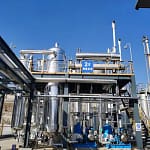



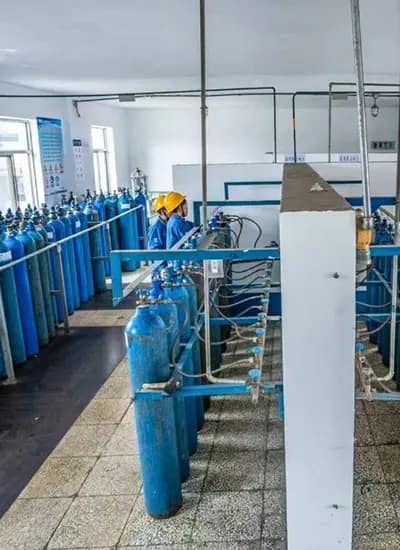
For industrial gas suppliers, distributors, cylinder filling plants, and procurement teams, filling high-pressure gas cylinders is a controlled operation that requires compatible cylinders, suitable filling equipment, pressure or weight controls, inspection procedures, and appropriate safety systems.
The correct filling method depends on the gas, cylinder specification, working pressure, capacity, filling method, and applicable requirements. Compressed gases such as oxygen, nitrogen, and argon are generally handled differently from liquefied gases such as carbon dioxide and LPG.
This guide explains how gas cylinders are professionally filled, what equipment is used, and what industrial buyers should consider when selecting cylinders and filling systems. For broader information about cylinder types, specifications, applications, and selection, see our Gas Cylinders Guide.
What Is Gas Cylinder Filling?
Gas cylinder filling is the controlled transfer of gas into an approved cylinder until the required filling condition is reached.
Depending on the gas, filling may be controlled according to:
- Pressure
- Weight
- Filling ratio
- Temperature
- Cylinder capacity
Compressed gases such as oxygen, nitrogen, argon, hydrogen, and helium are commonly stored in high-pressure cylinders. Liquefied gases such as carbon dioxide and LPG require different filling methods because they can be stored as liquids under pressure.
The cylinder must be suitable for the intended gas and operating conditions, including its working pressure and capacity. Buyers can refer to our guide to gas cylinder sizes when comparing cylinder capacities for different applications.
How Does the Gas Cylinder Filling Process Work?
Professional gas cylinder filling follows a controlled sequence. The exact procedure varies according to the gas, cylinder type, filling system, and applicable requirements.
1. Inspect the Cylinder
Before filling, check the cylinder identification, gas service, working pressure, capacity, valve condition, inspection status, external condition, corrosion, and required markings.
Damaged, contaminated, or otherwise unsuitable cylinders should not be placed into the filling process.
2. Prepare the Cylinder
Depending on the previous contents and the gas being introduced, the cylinder may require an appropriate preparation procedure such as evacuation or purging. This is particularly important for high-purity and specialty gases.
3. Connect the Cylinder
The cylinder is connected to a filling manifold or filling station using an approved connection compatible with the cylinder valve and gas service.
4. Transfer the Gas
Compressed gases may be transferred using a compressor, pressure differential, or another suitable system. Liquefied gases may require pumps or specialized transfer equipment.
5. Monitor the Filling Process
Depending on the application, operators monitor filling pressure, temperature, weight, filling rate, and other relevant parameters. Filling should always follow the cylinder and gas specifications rather than an arbitrary pressure.
6. Perform Final Checks
After filling, appropriate checks may include leak testing, weight or pressure verification, valve inspection, and label verification before the cylinder enters storage or distribution.
Compressed Gas vs. Liquefied Gas Cylinder Filling
| Gas Category | Examples | Main Filling Considerations |
|---|---|---|
| Compressed gases | O2, N2, Ar, H2, He | Pressure, temperature, filling rate, working pressure |
| Liquefied gases | CO2, LPG | Weight, filling ratio, temperature, liquid level and pressure |
Because these gases behave differently during storage and transfer, their filling equipment and operating procedures must also be selected differently.
Gas Cylinder Filling Methods by Gas Type
Oxygen
Oxygen is commonly supplied in high-pressure cylinders for industrial and medical applications. Cylinders, valves, connections, and filling equipment must be suitable for oxygen service, with appropriate controls to prevent contamination from oil, grease, or incompatible materials.
Nitrogen
Nitrogen is normally filled as a compressed gas. Filling systems may use high-pressure supply sources and manifolds to fill multiple cylinders. Pressure, temperature, and filling rate must be controlled according to the applicable requirements.
Argon
Argon cylinders are widely used for welding, metal fabrication, laboratories, and industrial applications. Suitable valves and filling connections are required to prevent contamination and incorrect gas connections.
Hydrogen
Hydrogen requires specialized filling equipment because it is highly flammable and has specific material compatibility and leakage considerations. Equipment and procedures must be designed specifically for hydrogen service.
Carbon Dioxide
CO2 can be stored as a liquid under pressure, so commercial cylinder filling is commonly controlled by weight rather than pressure alone. Temperature and filling ratio are also important considerations.
LPG
LPG is stored as a liquefied gas under pressure and is generally filled according to weight or filling ratio. LPG filling facilities require equipment and procedures specifically designed for flammable gas service.
What Equipment Is Used for Gas Cylinder Filling?
A professional gas cylinder filling operation normally uses a complete system rather than one individual machine.
Gas Cylinder Filling Machine
A gas cylinder filling machine or filling system controls gas transfer into cylinders. Depending on the application, it may include filling heads, valves, pressure gauges, regulators, flow controls, weighing equipment, safety devices, and control systems.
Filling Manifold
A filling manifold connects multiple cylinders to a common gas supply. The number of filling positions can be selected according to required production capacity and facility layout.
Gas Compressor
Compressed gas filling systems may use compressors to provide the pressure required for cylinder filling. Compressor selection depends on gas type, discharge pressure, flow rate, purity requirements, and material compatibility.
Gas Pump
Liquefied gases may require pumps or specialized transfer equipment suitable for the gas’s physical state, temperature, and pressure.
Weighing System
Weighing systems are particularly important for liquefied gas filling, allowing the transferred quantity to be controlled by mass.
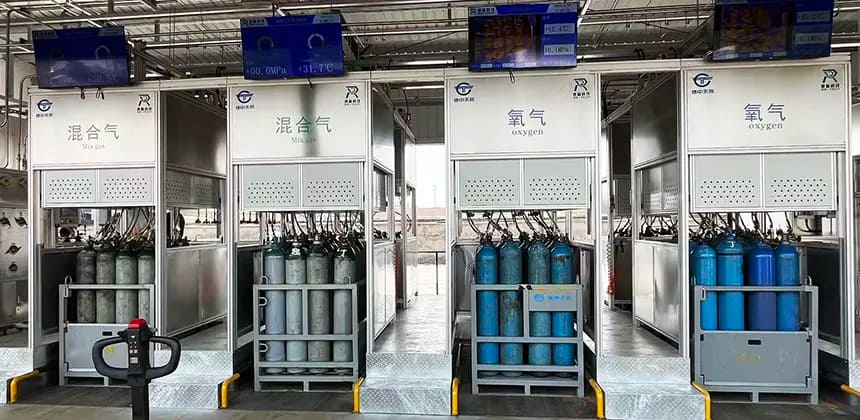
Gas Cylinder Filling System: Main Components
An industrial filling system can include:
- Gas source: Supplies the gas for filling.
- Storage or buffer system: Provides a stable gas supply.
- Compressor or pump: Transfers gas or liquid into cylinders.
- Filling manifold: Connects multiple cylinders.
- Filling hoses and connections: Provide compatible cylinder connections.
- Pressure controls: Help control operating pressure.
- Weighing equipment: Provides mass-based filling control where required.
- Instrumentation: Monitors pressure, temperature, weight, and other parameters.
- Safety equipment: Provides isolation, pressure protection, and emergency control.
The final configuration depends on the gas, cylinder type, filling capacity, facility design, and applicable requirements.
What Is a Gas Cylinder Filling Station?
A gas cylinder filling station is a complete facility or system designed for professional cylinder filling operations.
A typical workflow is:
Gas Supply → Transfer Equipment → Filling Manifold → Cylinder Connection → Pressure/Weight Control → Final Inspection → Storage or Dispatch
A filling station may be designed for a specific gas or several compatible gases. Industrial facilities should also consider ventilation, cylinder handling, operator access, emergency systems, equipment maintenance, and facility layout.
How to Select Gas Cylinders for a Filling Operation
For industrial buyers, selecting the correct cylinder is as important as selecting the filling equipment.
Gas Compatibility
The cylinder must be suitable for the intended gas, including appropriate material, valve, and internal condition.
Working Pressure
The cylinder working pressure must match the intended service and operating conditions. Test pressure should not be treated as the normal filling pressure.
Cylinder Capacity
Cylinder capacity affects gas quantity, handling, transportation, and filling requirements. Buyers should select capacity according to application and gas consumption.
Valve Configuration
The valve must be compatible with the gas service and filling system. Valve selection affects filling connections, gas delivery, and equipment compatibility.
Material
Seamless steel cylinders are widely used for many industrial compressed gas applications. The appropriate material depends on the gas, pressure, design specification, and applicable requirements.
Standards and Certification
Depending on the destination market and application, cylinders may need to comply with applicable standards and regulatory requirements such as ISO, DOT, EN/TPED, or other national requirements.
Gas Cylinder Filling Capacity
For an industrial filling plant, filling capacity is an important equipment-selection consideration.
Capacity depends on:
- Number of filling positions
- Gas supply pressure
- Compressor or pump capacity
- Cylinder size
- Target filling pressure
- Filling rate
- Number of cylinders filled simultaneously
- Gas purity requirements
- Facility workflow
Buyers should define their expected cylinder volume and daily or hourly production requirements before selecting filling equipment.These requirements should also be considered as part of the wider industrial gas storage and supply system, including cylinder storage, gas distribution, and replenishment capacity.
Pressure, Temperature and Filling Limits
Gas cylinder filling cannot be based on one pressure value for every gas and cylinder.
Working Pressure
Working pressure is the pressure for which the cylinder is designed to operate under the applicable conditions.
Test Pressure
A cylinder may have a higher test pressure associated with qualification or periodic inspection. Test pressure is not the normal filling pressure.
Temperature
Gas temperature can increase during filling because of compression and gas transfer. Pressure can also change as temperature changes.
Filling Quantity
For compressed gases, pressure is an important filling parameter. For liquefied gases, filling mass or filling ratio may be more important.
Applicable limits should be determined from the cylinder specification, gas requirements, operating procedures, and relevant regulations.
Gas Cylinder Inspection and Leak Testing
Before filling, cylinders should be checked for corrosion, dents, cracks, valve damage, damaged threads, contamination, incorrect markings, expired inspection status, and other conditions that could make them unsuitable for service.
After filling, appropriate checks may include leak testing, weight or pressure verification, valve inspection, and label verification.
Because gas cylinders are pressure vessels, professional filling facilities should follow the inspection and testing requirements applicable to the cylinder, gas, and destination market.
Gas Cylinder Filling Safety Requirements
Gas cylinder filling should be performed by trained personnel using equipment designed for the specific gas and cylinder service.
- Use cylinders approved for the intended gas.
- Verify cylinder and valve condition before filling.
- Use compatible hoses, valves, regulators, compressors, pumps, and connections.
- Prevent cross-contamination between gases.
- Control filling pressure, temperature, weight, and filling rate as appropriate.
- Maintain suitable ventilation for the gases being handled.
- Control ignition sources when handling flammable gases.
- Use appropriate personal protective equipment.
- Follow applicable standards, regulations, and facility procedures.
Common Gas Cylinder Filling Problems
Cylinder Pressure Rises Too Quickly
This may be associated with filling rate, temperature effects, equipment conditions, or an incorrect filling procedure. The established operating procedure should be followed.
Cylinder Becomes Excessively Hot
Gas compression and rapid transfer can increase cylinder temperature. Filling rates and operating conditions should therefore be controlled.
Gas Leakage From the Valve
A leaking valve or connection should be investigated before the cylinder is placed into service.
Incorrect Filling Quantity
Incorrect filling can result from pressure-reading errors, weighing errors, incorrect cylinder information, equipment malfunction, or operator error.
Gas Contamination
Contamination can occur when cylinders are improperly prepared, incorrectly connected, or filled using unsuitable or poorly maintained equipment.
How to Choose Gas Cylinder Filling Equipment
Industrial buyers should evaluate the complete filling operation rather than selecting equipment based only on cylinder size.
Gas Type
Oxygen, nitrogen, argon, hydrogen, carbon dioxide, LPG, and other gases have different handling requirements.
Gas State
Determine whether the product is being handled as a compressed gas or liquefied gas.
Filling Pressure
Equipment must be suitable for the required operating pressure and gas service.
Filling Capacity
Consider the required number of cylinders, filling positions, production rate, and gas supply capacity.
Cylinder Specifications
Capacity, working pressure, valve type, material, and certification affect the filling system configuration.
Purity and Safety Requirements
High-purity, flammable, oxidizing, toxic, and specialty gases may require dedicated or specially controlled filling systems.
What Should Industrial Buyers Specify When Ordering Gas Cylinders?
Providing complete specifications helps a cylinder manufacturer recommend the correct configuration for a filling plant or distribution operation.
- Gas type
- Gas purity
- Cylinder capacity
- Working pressure
- Required standard or certification
- Valve type and connection
- Required quantity
- Application
- Destination market
- Filling method
- Transportation requirements
For large-volume purchases, buyers should also consider compatibility with existing filling equipment, cylinder fleet management, inspection requirements, and long-term replacement needs.
Choosing Gas Cylinders for Your Filling System
The cylinder and filling system should be considered as parts of the same industrial operation.
Important compatibility factors include gas service, working pressure, cylinder capacity, valve connection, filling method, applicable standards, inspection requirements, and transportation requirements.
For example, a facility filling high-pressure oxygen cylinders may require different equipment, connections, safety controls, and procedures from a facility filling liquefied CO2 cylinders.
Industrial buyers should therefore provide complete application and technical requirements to the cylinder manufacturer rather than selecting cylinders based only on capacity or price.
DSW High-Pressure Gas Cylinders for Industrial Applications
DSW supplies high-pressure gas cylinders for industrial gas storage and transportation applications. Cylinder configurations can be selected for gases such as oxygen, nitrogen, argon, carbon dioxide, hydrogen, helium, and other industrial gases, subject to the applicable specification.
For industrial buyers, cylinder selection can be based on gas type, capacity, working pressure, valve configuration, applicable standards, certification requirements, and destination market.
DSW works with industrial customers, gas distributors, and purchasing teams sourcing cylinders for filling, storage, transportation, and gas supply operations.
When requesting a quotation, providing the gas type, cylinder capacity, working pressure, valve specification, required standard, quantity, and destination market helps ensure that the proposed cylinder configuration matches the intended application.
Conclusion
Filling a gas cylinder safely requires more than transferring gas into a pressure vessel. The cylinder, gas, filling equipment, manifold, compressor or pump, valves, controls, inspection procedures, and safety systems all need to work together.
Compressed gases such as oxygen, nitrogen, and argon are generally handled differently from liquefied gases such as carbon dioxide and LPG. Understanding these differences is important when selecting both cylinders and filling equipment.
For industrial gas suppliers, distributors, and filling facilities, the best approach is to select approved cylinders, compatible equipment, appropriate specifications, trained personnel, and procedures that meet the requirements applicable to the intended gas and market.
DSW supplies high-pressure gas cylinders for industrial gas storage and transportation applications. For cylinder sourcing, buyers should provide the gas type, capacity, working pressure, valve configuration, quantity, required standard, and destination market.
TECHNICAL FAQs
FAQs About How To Fill Gas Cylinders
A professional gas cylinder filling station may include a gas supply source, compressor or pump, filling manifold, filling connections, pressure controls, weighing equipment, instrumentation, control systems, and safety equipment.
A gas filling machine or filling system controls gas transfer, while a filling manifold connects multiple cylinders to a common gas supply. The manifold is normally one component of the complete filling system.
Compressed gases are commonly controlled using pressure together with temperature and other parameters. Liquefied gases are commonly controlled by weight or filling ratio.
Gas cylinder filling capacity depends on gas supply pressure, compressor or pump capacity, number of filling positions, cylinder size, filling pressure, filling rate, purity requirements, and facility configuration.
When selecting gas cylinders for an industrial filling plant, consider the gas type, cylinder capacity, working pressure, valve configuration, material, required standards, certification, filling method, destination market, and compatibility with the filling system.
Industrial buyers should provide the gas type, cylinder capacity, working pressure, valve specification, required standard or certification, quantity, application, destination market, and relevant filling or transportation requirements.


No comment