




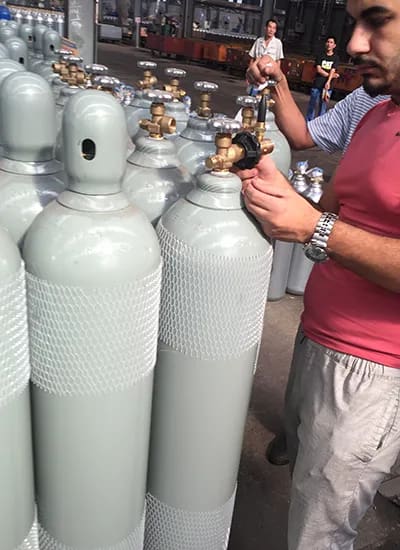
Periodic Inspection and Testing of Gas Cylinders
Gas cylinders used for compressed gases must undergo regular inspections and testing to ensure they remain safe for continued service. Cylinders are exposed to high internal pressures and demanding operating conditions, which may lead to corrosion, mechanical damage, or structural degradation over time.
Periodic gas cylinder inspection and testing are essential to verify the integrity of the cylinder and to ensure compliance with international safety standards and national regulations. These inspections are commonly required under standards such as ISO, EN, and other regulatory systems governing the safe storage and transportation of industrial gases.
Each cylinder must therefore be submitted to periodic inspections and tests carried out by qualified and authorised personnel using approved procedures.
List of Procedures for Periodic Gas Cylinder Inspections and Tests
The following procedures, where applicable, form the standard requirements for periodic inspection and testing of gas cylinders.
- Identification of cylinder and preparation for inspection and testing
The cylinder is identified through its permanent markings, including serial number, manufacturing standard, test pressure, and previous inspection dates. The cylinder is prepared for safe inspection. - Depressurization and de-valving
Any residual gas pressure is safely released, and the valve is removed to allow internal inspection of the cylinder. - External visual inspection
The external surface of the steel gas cylinder is inspected for dents, gouges, corrosion, bulging, fire damage, and other signs of mechanical damage. - Check of internal condition
The interior of the cylinder is examined using appropriate lighting or specialized inspection tools to detect corrosion, contamination, or internal defects. - Supplementary tests
Where necessary, additional tests may be performed to further evaluate cylinder condition. These may include hardness testing, leak testing, or metallurgical examination. - Inspection of cylinder neck
The neck area and threaded connections are inspected for cracks, deformation, or excessive wear that could compromise valve installation. - Pressure test or ultrasonic examination
Cylinders may undergo hydrostatic pressure testing or ultrasonic examination to verify structural integrity and wall thickness. - Inspection of valve and other accessories
Valves, protective caps, and safety devices are examined to ensure proper operation and compliance with safety requirements. - Replacement of cylinder parts
Damaged or worn components, such as valves or seals, may be replaced where permitted. - Cylinder repairs
Approved repairs may be carried out if defects are within permissible repair limits. - Final operations
After inspection and testing, the cylinder is cleaned, dried, reassembled, and prepared for return to service. - Rejection and rendering cylinder unserviceable
Cylinders that fail inspection or testing must be rejected and permanently removed from service.
It is recommended that these procedures be performed in the sequence listed above. In particular, the internal inspection should always be completed before pressure testing or ultrasonic examination.
Cylinders that fail any inspection or test must be rejected. Where a cylinder passes the listed procedures but its condition remains uncertain, additional tests may be carried out to confirm its suitability for continued service.
Depending on the reason for rejection, some cylinders may be recovered through approved repair procedures.
Gas Cylinder Inspection Intervals
Gas cylinders must be inspected periodically throughout their service life to ensure continued safety and compliance with regulatory requirements.
| Cylinder Type | Typical Inspection Interval |
|---|---|
| Industrial gas cylinders | Every 5 years |
| Medical oxygen cylinders | Every 5 years |
| Carbon dioxide cylinders | Every 5 years |
| Composite cylinders | Every 3–5 years |
| Acetylene cylinders | Up to 10 years depending on regulations |
Different regulatory systems, including ISO standards, EN regulations, and national transport authorities, may specify slightly different inspection intervals. Operators should always follow the inspection schedule defined by the applicable authority.
Regular inspection intervals help identify damage or deterioration before it poses a safety risk.
Common Defects Found During Gas Cylinder Inspection
External defects
- Dents or bulges caused by impact
- Cuts or gouges in the cylinder wall
- Evidence of fire or excessive heat exposure
- Surface corrosion or rust
Internal defects
- Corrosion caused by moisture or contamination
- Scale deposits or foreign materials
- Pitting corrosion that reduces wall thickness
Neck and thread defects
- Damaged or worn threads
- Cracks near the cylinder neck
- Deformation caused by improper valve installation
If defects exceed the allowable limits specified by inspection standards, the cylinder must be rejected or repaired according to approved procedures.
Hydrostatic Testing vs Ultrasonic Examination
Hydrostatic Pressure Testing
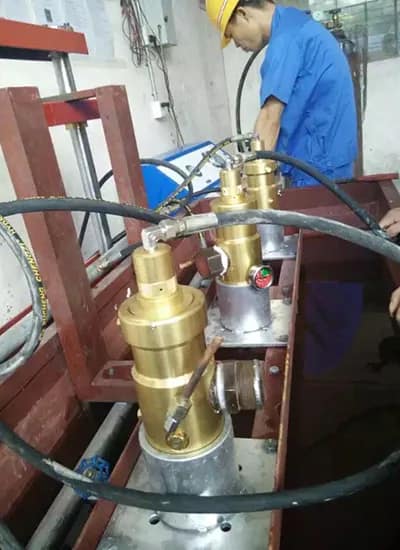
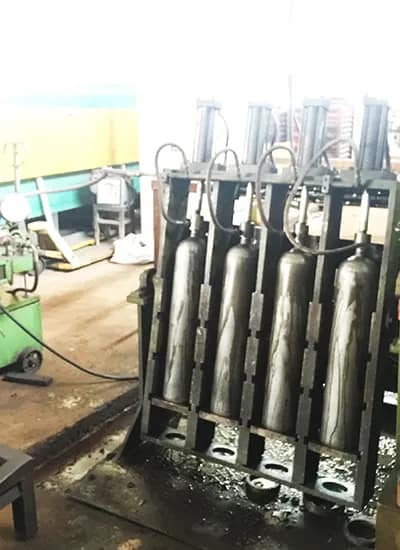
Hydrostatic testing is one of the most widely used methods for testing high-pressure gas cylinders. During the test, the cylinder is filled with water and pressurized to a predetermined test pressure.
The expansion of the cylinder is measured to determine whether permanent deformation occurs.
Advantages of hydrostatic testing include:
- High reliability and accuracy
- Detection of structural weaknesses
- Wide acceptance under international standards
After testing, the cylinder must be completely drained and dried before it can be returned to service.
Ultrasonic Examination
Ultrasonic testing is a non-destructive inspection method used to measure cylinder wall thickness using ultrasonic sound waves.
This method is particularly useful for detecting corrosion or wall thinning without subjecting the cylinder to full pressure testing.
Advantages include:
- Fast inspection process
- Accurate wall thickness measurement
- Ability to detect localized corrosion
Ultrasonic inspection is increasingly used in modern cylinder inspection facilities as a complementary testing method.
Qualified Personnel and Regulatory Compliance
Gas cylinder inspections and tests must only be performed by trained and authorized personnel operating within certified inspection facilities.
Inspection centers must comply with relevant national regulations and international standards governing the safe handling and testing of pressure vessels.
Proper training and certification ensure that inspections are performed correctly and that cylinders are returned to service only when they meet safety requirements.
Heat Exposure and Cylinder Safety
The mechanical properties of steel cylinders can be affected by exposure to excessive heat.
During maintenance or repair operations, the maximum temperature applied to a cylinder must remain within the limits specified by the manufacturer.
Excessive heating may alter the metal structure, reduce strength, and compromise the safety of the cylinder.
Importance of Regular Gas Cylinder Inspection
Routine inspection and testing of gas cylinders play a critical role in ensuring the safe storage and transportation of compressed gases.
Regular inspection programs help to:
- Detect corrosion and structural damage
- Prevent gas leaks or cylinder failure
- Maintain compliance with international safety standards
- Extend the service life of cylinders while ensuring safe operation
For industries relying on compressed gases, proper inspection and maintenance of cylinders are essential for protecting personnel, equipment, and the environment.




No comment