



Quick Answer:
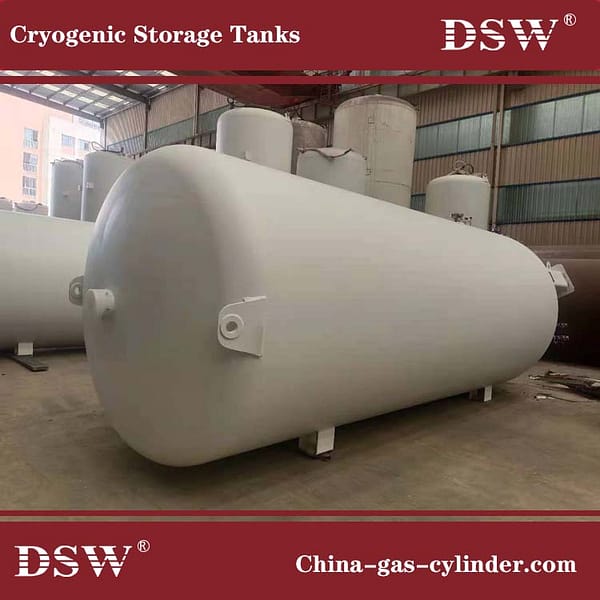
A cryogenic container is a specialized vacuum-insulated vessel designed to store and transport liquefied gases at extremely low temperatures, typically below -150°C (-238°F). Cryogenic containers are widely used for liquid nitrogen (LN₂), liquid oxygen (LOX), liquid argon (LAr), LNG, helium, and hydrogen storage in healthcare, industrial manufacturing, energy, biotechnology, aerospace, and scientific research.
These advanced storage systems help maintain cryogenic liquids in their stable liquid state by minimizing heat transfer, reducing evaporation losses, and ensuring safe handling during storage and transportation.
What Is a Cryogenic Container?
A cryogenic container is an engineered pressure vessel designed to store and transport gases after they have been cooled into liquid form at extremely low temperatures. Unlike conventional gas cylinders, cryogenic containers use advanced insulation technology to maintain temperatures close to the boiling point of the stored liquid.
Common cryogenic liquids stored in these containers include:
- Liquid Nitrogen (LN₂)
- Liquid Oxygen (LOX)
- Liquid Argon (LAr)
- Liquefied Natural Gas (LNG)
- Liquid Helium (LHe)
- Liquid Hydrogen (LH₂)
Depending on the application, cryogenic containers can range from small portable laboratory dewars to large stationary industrial tanks with capacities exceeding hundreds of thousands of liters.
How Does a Cryogenic Container Work?
Cryogenic containers work by combining vacuum insulation, reflective barriers, and pressure-control systems to prevent heat from entering the vessel. Since cryogenic liquids exist at extremely low temperatures, even small amounts of heat transfer can cause evaporation.
Key Design Features of Cryogenic Containers
1. Double-Wall Construction
Most cryogenic vessels consist of two main structures:
- An inner stainless-steel vessel that stores the cryogenic liquid.
- An outer protective shell designed for mechanical protection.
2. Vacuum Insulation System
The space between the inner and outer vessels is evacuated to create a high vacuum. This reduces heat transfer through conduction and convection, allowing cryogenic liquids to remain stored for extended periods.
3. Multilayer Insulation (MLI)
Many high-performance cryogenic containers use multilayer reflective insulation materials to reduce radiant heat transfer and improve thermal efficiency.
4. Pressure Control and Safety Systems
Cryogenic containers include pressure-building circuits, pressure relief valves, economizers, and burst discs to maintain safe operating conditions.
5. Boil-Off Gas Management
Because cryogenic liquids naturally absorb environmental heat, a small amount will vaporize over time. Modern cryogenic systems are designed to safely manage boil-off gas (BOG) while minimizing product loss.
What Gases Are Stored in Cryogenic Containers?
| Cryogenic Liquid | Boiling Point | Main Applications |
|---|---|---|
| Liquid Nitrogen (LN₂) | -196°C | Laboratories, food freezing, biotechnology, cryogenic treatment |
| Liquid Oxygen (LOX) | -183°C | Medical oxygen supply, steel production, aerospace |
| Liquid Argon (LAr) | -186°C | Welding, metallurgy, manufacturing |
| LNG (Liquefied Natural Gas) | -162°C | Energy storage, transportation, vehicle fuel |
| Liquid Helium (LHe) | -269°C | MRI systems, superconducting research |
| Liquid Hydrogen (LH₂) | -253°C | Hydrogen energy and aerospace propulsion |
What Is a Cryogenic Container Used For?
Cryogenic containers are used across many industries where extremely low-temperature storage and transportation of liquefied gases are required.
1. Medical and Healthcare Applications
The healthcare industry is one of the largest users of cryogenic storage equipment. Hospitals, laboratories, and medical research facilities depend on reliable cryogenic systems for critical applications.
Common medical applications include:
- Medical oxygen storage and supply
- Vaccine preservation
- Blood and plasma storage
- Stem cell preservation
- IVF embryo and reproductive material storage
- Organ and tissue transportation
Liquid oxygen storage tanks provide hospitals with a continuous supply of medical oxygen for emergency treatment, surgery, and intensive care units.
Liquid nitrogen containers are widely used in biological laboratories for long-term preservation of cells, tissues, embryos, and genetic materials.
2. Industrial Manufacturing Applications
Cryogenic containers support many industrial manufacturing processes by supplying high-purity liquefied gases.
Typical applications include:
- Metal processing and heat treatment
- Laser cutting and welding
- Industrial gas distribution
- Chemical production
- Cryogenic grinding
- Advanced material processing
Cryogenic treatment can improve the wear resistance, hardness, and dimensional stability of metal components used in automotive, aerospace, and precision manufacturing industries.
3. LNG Storage and Transportation
One of the largest applications of cryogenic containers is liquefied natural gas (LNG) storage and transportation.
Natural gas is cooled to approximately -162°C to convert it into liquid form. This reduces its volume by about 600 times, making long-distance transportation economically practical.
LNG cryogenic containers are commonly used in:
- LNG terminals
- LNG fueling stations
- Power generation facilities
- Marine LNG fuel systems
- Remote energy supply projects
Industrial LNG tanks and ISO tank containers provide safe and efficient transportation of LNG between production facilities and end users.
4. Semiconductor Manufacturing
The semiconductor industry requires extremely precise cooling solutions during chip fabrication.
Cryogenic gases are used for:
- Wafer processing
- Equipment cooling
- Cleanroom applications
- Advanced semiconductor manufacturing
As global demand for advanced chips continues to increase, cryogenic infrastructure has become an essential part of semiconductor production facilities.
5. Food Processing and Freezing
Cryogenic freezing technology provides rapid temperature reduction that helps preserve food quality.
- Seafood freezing
- Meat processing
- Bakery products
- Ready-to-eat meals
- Frozen food production
Liquid nitrogen freezing reduces ice crystal formation and helps maintain product texture, appearance, and freshness.
6. Biotechnology and Agriculture Applications
Cryogenic containers play an important role in biotechnology, agriculture, and genetic preservation by maintaining biological materials at extremely low temperatures for long-term storage.
Common applications include:
- Seed banks for crop preservation
- Animal semen storage
- Genetic resource preservation
- Plant tissue storage
- Biological sample transportation
Liquid nitrogen storage systems allow research organizations and agricultural institutions to preserve valuable genetic materials for future scientific and breeding programs.
7. Scientific Research Applications
Scientific research facilities rely on cryogenic containers to create and maintain extremely low-temperature environments required for advanced experiments.
Applications include:
- Particle accelerators
- Superconducting magnets
- Quantum computing research
- Cryogenic physics experiments
- Material science research
Liquid helium and liquid nitrogen are particularly important for superconducting technologies where stable cryogenic temperatures are essential.
8. Aerospace and Space Exploration
Cryogenic technology is fundamental to modern aerospace engineering. Many rocket propulsion systems use cryogenic fuels because they provide high energy efficiency.
Cryogenic containers are used for:
- Liquid oxygen storage
- Liquid hydrogen storage
- Rocket fueling systems
- Space launch facilities
- Satellite development programs
Reliable cryogenic storage and transfer systems are essential for safe aerospace operations because rocket fuels must remain at extremely low temperatures before launch.
Types of Cryogenic Containers
Cryogenic containers are available in different designs depending on storage capacity, transportation requirements, operating pressure, and application environment.
1. Cryogenic Dewars
Cryogenic dewars are small portable containers designed mainly for laboratory, medical, and research applications.
A dewar uses vacuum insulation technology similar to a large thermos flask to maintain cryogenic temperatures.
Typical applications include:
- Laboratory sample storage
- Biological material preservation
- Small-volume liquid nitrogen storage
- Research experiments
Advantages:
- Portable design
- Low operating cost
- Easy handling
- Suitable for small quantities
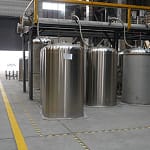
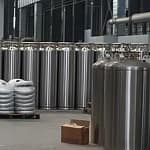
2. Cryogenic Liquid Cylinders
Cryogenic liquid cylinders are pressurized vessels that can supply both liquid and gaseous products.
They are commonly used where a continuous supply of cryogenic gas is required but a large stationary tank is unnecessary.
Typical users include:
- Hospitals
- Laboratories
- Manufacturing facilities
- Research institutions
Compared with traditional high-pressure gas cylinders, liquid cylinders provide higher gas storage capacity and improved transportation efficiency.
3. Microbulk Cryogenic Tanks
Microbulk tanks provide an intermediate solution between liquid cylinders and large industrial storage tanks.
They are designed for customers with regular gas consumption requirements who want automated delivery instead of frequent cylinder replacement.
Benefits include:
- Reduced cylinder handling
- Lower logistics costs
- Improved gas supply reliability
- Automatic monitoring options
Microbulk systems are widely used in welding, laboratories, healthcare, and small industrial plants.
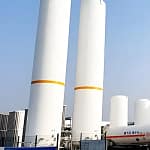
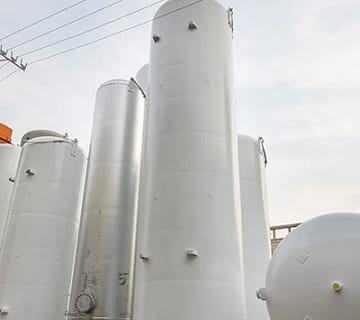
4. Stationary Cryogenic Storage Tanks
Large stationary cryogenic tanks are designed for industrial facilities requiring high-volume gas storage.
Applications include:
- Air separation plants
- Steel factories
- Chemical plants
- Hospitals
- LNG facilities
These tanks can store thousands or even hundreds of thousands of liters of cryogenic liquids and are normally installed permanently at customer sites.
5. Cryogenic ISO Tank Containers
Cryogenic ISO tank containers are standardized transport vessels designed for international shipping of liquefied gases.
They are widely used for:
- LNG transportation
- Liquid oxygen transportation
- Liquid nitrogen logistics
- Liquid argon distribution
- Specialty gas transportation
Their standardized dimensions allow transportation by road, rail, and sea, making them essential for global cryogenic supply chains.
Cryogenic Container vs Cryogenic Tank vs Dewar
Although these terms are sometimes used interchangeably, there are important differences between them.
| Equipment Type | Typical Capacity | Main Application |
|---|---|---|
| Cryogenic Dewar | Small volume | Laboratory and biological storage |
| Liquid Cylinder | Medium volume | Medical and industrial gas supply |
| Cryogenic Storage Tank | Large volume | Industrial gas and energy storage |
| Cryogenic ISO Tank | Large transport capacity | International liquid gas transportation |
Safety Standards and Regulations for Cryogenic Containers
Cryogenic liquids require strict safety management because they involve extremely low temperatures, pressure hazards, and potential oxygen displacement risks.
Properly designed cryogenic containers must comply with applicable international standards.
Common Cryogenic Equipment Standards Include:
- ASME Boiler and Pressure Vessel Code (BPVC) – Pressure vessel design and manufacturing requirements.
- ISO 21009 – Cryogenic vessels and stationary vacuum insulated vessels.
- EN 13458 – Cryogenic vessels requirements in Europe.
- PED 2014/68/EU – European pressure equipment requirements.
- ADR Regulations – International road transportation requirements for dangerous goods.
- DOT Regulations – Cryogenic transportation requirements in the United States.
- GB/T 18442 – Chinese cryogenic vessel standards.
Cryogenic Safety Best Practices
- Wear appropriate personal protective equipment (PPE).
- Ensure adequate ventilation when handling cryogenic gases.
- Inspect pressure relief devices regularly.
- Prevent direct skin contact with cryogenic liquids.
- Train operators in cryogenic handling procedures.
- Monitor storage pressure and temperature.
Common Cryogenic Container Problems and Maintenance
Proper maintenance improves equipment reliability, safety, and service life.
Common Operational Challenges
- Vacuum loss: Reduced insulation performance causing increased evaporation.
- Excessive boil-off: Higher product loss due to heat leakage.
- Valve problems: Improper operation or freezing issues.
- Pressure increase: Caused by natural evaporation in closed systems.
- External frost: May indicate insulation problems.
Recommended Maintenance Practices
- Regular inspection of vacuum insulation performance.
- Pressure relief valve testing.
- Leak detection for valves and piping connections.
- Periodic pressure testing according to regulations.
- Inspection of external surfaces and supports.
- Operator safety training.
How to Choose the Right Cryogenic Container?
Selecting the correct cryogenic container depends on several technical and operational factors.
1. Identify the Cryogenic Liquid
Different gases require different materials, pressure ratings, and safety systems. A container designed for LNG may not be suitable for liquid oxygen or helium service.
2. Determine Required Capacity
Storage capacity should match actual consumption requirements while considering emergency reserves and future expansion.
3. Consider Storage Location
Portable dewars, mobile cylinders, and stationary tanks are suitable for different operating environments.
4. Check Applicable Standards
Ensure the equipment complies with local regulations and international standards required for your industry.
5. Evaluate Supplier Capability
A qualified cryogenic equipment supplier should provide:
- Engineering design support
- Manufacturing capability
- Certification documentation
- Installation guidance
- After-sales technical support
Why Choose BluNet as Your Cryogenic Container Supplier?
Selecting a cryogenic container supplier is not only about purchasing equipment. It requires engineering experience, manufacturing capability, quality control, and long-term technical support.
BluNet provides cryogenic equipment solutions for industrial gas companies, healthcare facilities, energy projects, laboratories, and manufacturing industries worldwide.
Our cryogenic product portfolio includes:
- Cryogenic Storage Tanks
- LNG Storage Tanks
- Cryogenic ISO Tank Containers
- Liquid Cylinders
- Cryogenic Dewars
- Cryogenic Vaporizers
Engineering and Manufacturing Advantages
- Customized Cryogenic Solutions:
Equipment can be designed according to gas type, storage capacity, operating pressure, and customer requirements. - International Manufacturing Standards:
Products are manufactured according to applicable pressure vessel and cryogenic equipment standards. - Quality Control:
Manufacturing processes include material inspection, welding inspection, pressure testing, and performance verification. - Global Project Experience:
Cryogenic equipment is supplied for industrial gas distribution, energy projects, healthcare facilities, and manufacturing applications. - Technical Support:
Professional support is provided from equipment selection through installation and operation.
The Future of Cryogenic Container Technology
The demand for cryogenic technology continues to increase as industries move toward cleaner energy, advanced manufacturing, and next-generation scientific applications.
1. Growth of LNG and Hydrogen Energy
Liquefied natural gas and liquid hydrogen are expected to remain important energy carriers. This will increase demand for high-efficiency cryogenic storage and transportation systems.
2. Advanced Insulation Technology
Future cryogenic containers will use improved insulation materials, better vacuum technology, and advanced thermal management systems to reduce boil-off losses.
3. Smart Monitoring Systems
Modern cryogenic equipment increasingly integrates sensors, remote monitoring, and digital control systems to improve safety and operational efficiency.
4. Expansion of Medical and Biotechnology Applications
Growth in biobanking, cell therapy, genetic research, and personalized medicine will continue driving demand for reliable cryogenic storage solutions.
5. Space Exploration and Advanced Science
Future space missions, quantum computing, and superconducting technologies will require increasingly sophisticated cryogenic systems.
TECHNICAL FAQs
About Cryogenic Container Used For
A cryogenic container stores and transports liquefied gases at extremely low temperatures while minimizing heat transfer and evaporation losses.
Cryogenic containers commonly store liquid nitrogen, liquid oxygen, liquid argon, LNG, liquid helium, and liquid hydrogen.
Vacuum insulation reduces heat transfer and helps maintain cryogenic temperatures for longer storage periods.
Yes. LNG ISO tanks and cryogenic storage tanks are widely used for LNG transportation and distribution.
Conclusion
Cryogenic containers are essential components of modern industrial infrastructure, enabling the safe storage and transportation of liquefied gases used in healthcare, energy, manufacturing, biotechnology, food processing, and scientific research.
From small laboratory dewars to large LNG storage systems, each cryogenic container is designed for specific operating conditions, including gas type, storage capacity, pressure requirements, and transportation needs.
Understanding what cryogenic containers are used for, how they work, the available types, and the required safety standards helps companies select reliable solutions that improve operational efficiency, reduce product loss, and maintain safe gas handling practices.
As demand continues to grow for LNG, hydrogen energy, advanced medical technologies, and precision manufacturing, cryogenic storage technology will remain a critical foundation for global industrial development.

No comment