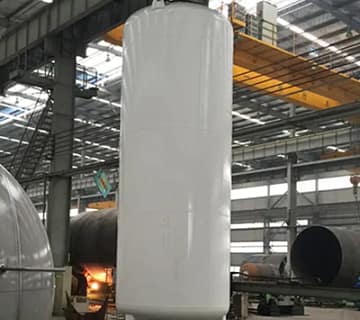
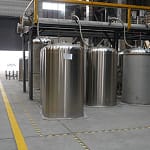
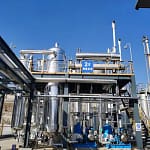
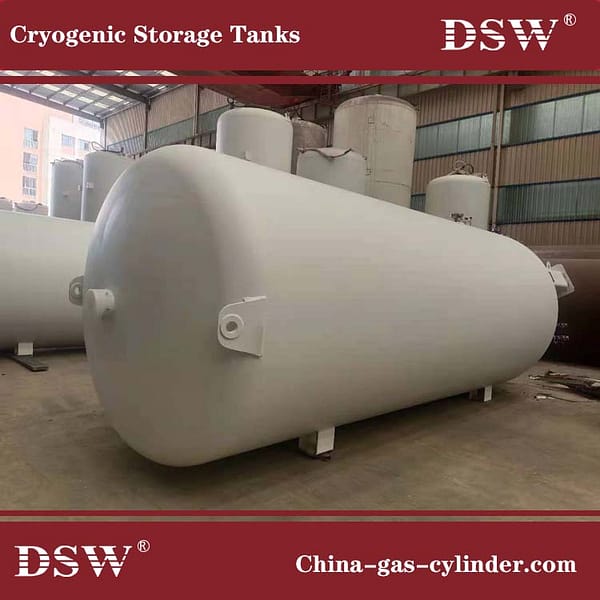
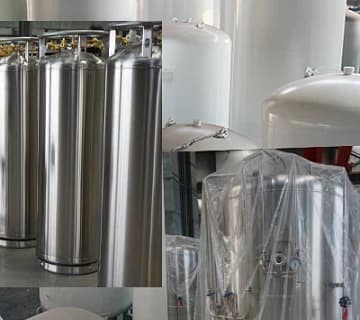
Cryogenic storage tanks are essential for safely storing gases at extremely low temperatures. This category covers the design, safety features, and applications of cryogenic tanks, focusing on industries like energy, medical, and industrial gas sectors. Stay informed on the latest technologies and best practices to ensure efficient and secure cryogenic storage.

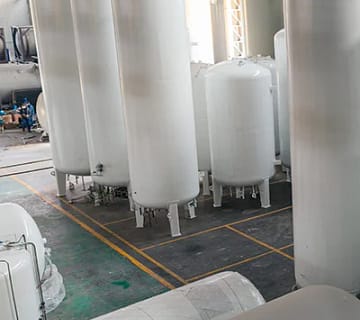
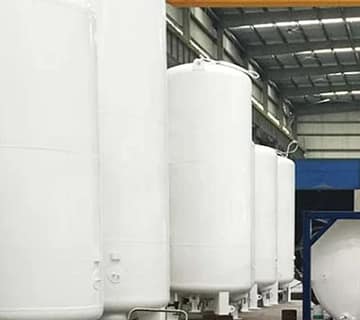
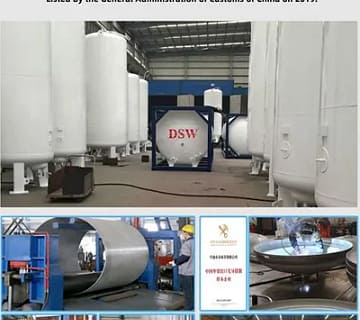
Cryogenic liquid storage tank for industrial gases

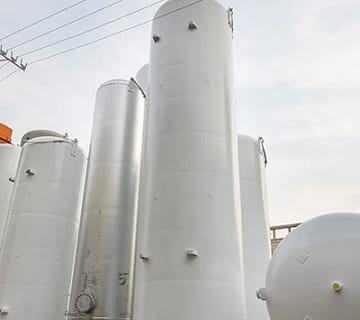
Cryogenic Storage Tanks: What They Are & How They Work

Cryogenic liquid storage tanks store gases like nitrogen, oxygen, and argon safely at ultra-low temperatures. Vacuum insulation reduces boil-off, maintains purity, and supports continuous industrial operations. Learn about tank types, operational safety, maintenance, and international standards for reliable cryogenic gas storage. ... Read More
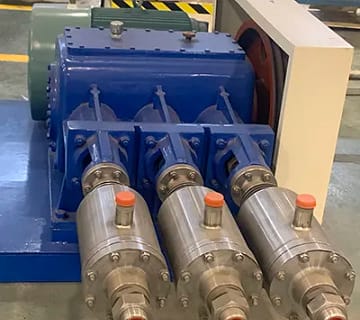
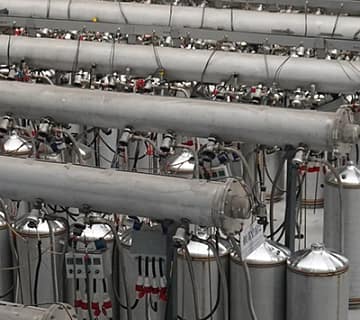
Piston pump for gas transfer and gas filling applications

What Is a Gas Transfer Pump? Types, Working Principles

Gas transfer pumps and liquid gas pumpsare essential for moving ultra-low temperature liquids like LN₂, LOX, LAr, LNG, and LH₂. This guide explains their working principles, major types, and key applications in industries such as LNG, industrial gases, medical, energy, and aerospace. ... Read More
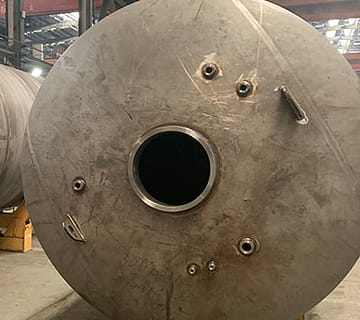
Vacuum insulation is a critical technology used in cryogenic tanks to minimize heat transfer and maintain the extremely low temperatures

Overview of Insulation Types in Cryogenic Tank Manufacturing

Explore the critical role of insulation in cryogenic tank manufacturing, detailing the various types of insulation used to maintain ultra-low temperatures for cryogenic liquids. Learn about Vacuum Insulation, Foam Insulation, and Powder/Granular Insulation, their specific applications, advantages, and the factors influencing their selection. ... Read More