 gas cylinders, gas tank, gas bottle


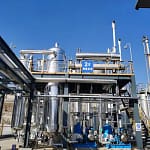



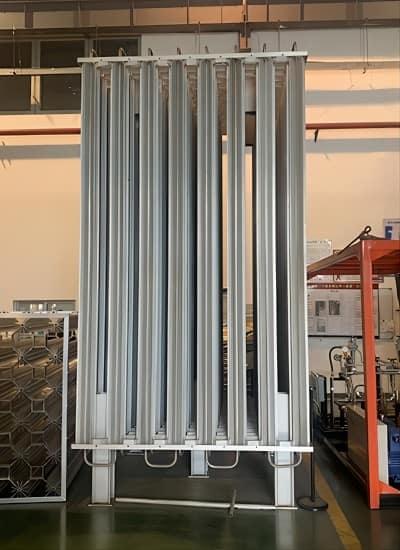
A liquid nitrogen vaporizer, also known as an LN₂ vaporizer, is a cryogenic heat-exchange device that converts liquid nitrogen into gaseous nitrogen. Its working principle is based on controlled heat transfer: liquid nitrogen absorbs heat from the surrounding environment or an external heat source and undergoes a phase change from liquid to gas.
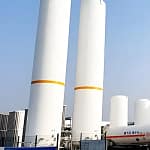
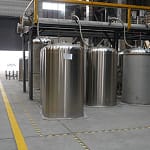
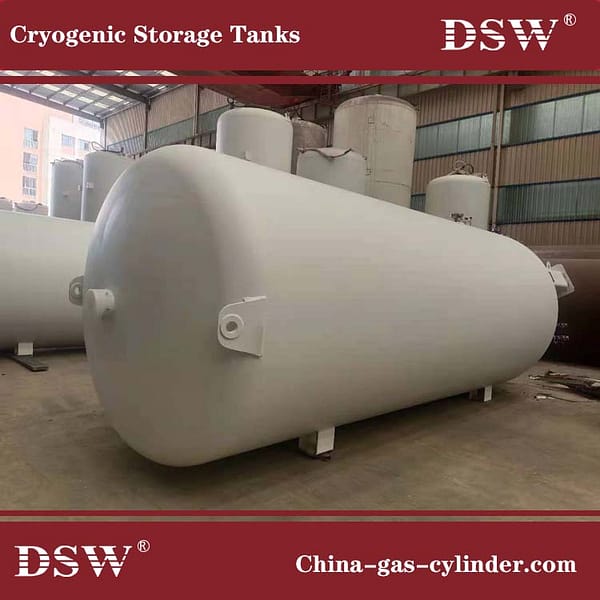
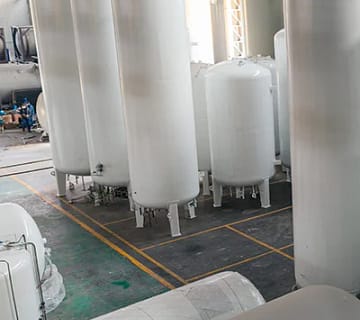
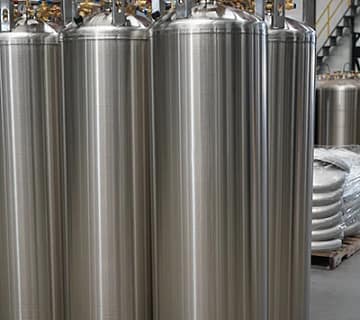
Liquid nitrogen is typically stored in a cryogenic storage tank, dewar, or other cryogenic container before entering the vaporizer. The resulting nitrogen gas can then be supplied to downstream equipment or an industrial gas distribution system.
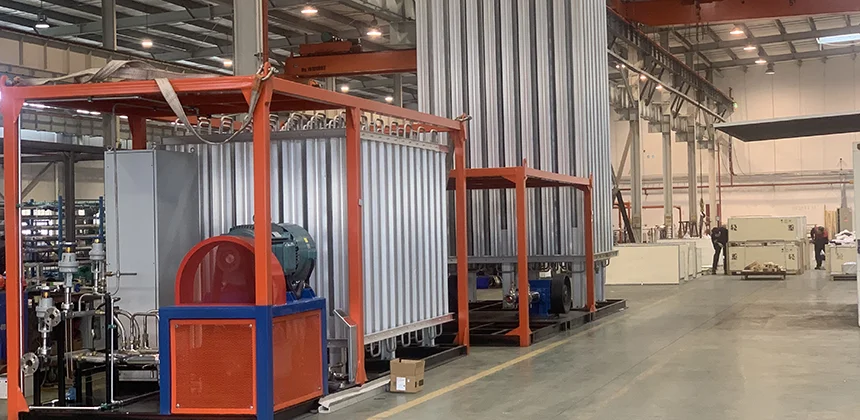
A liquid nitrogen vaporizer converts cryogenic LN₂ into gaseous nitrogen through controlled heat transfer.
What Is a Liquid Nitrogen Vaporizer?
A liquid nitrogen vaporizer is designed to change nitrogen from its cryogenic liquid state into its gaseous state. Liquid nitrogen has a boiling point of approximately -196°C at atmospheric pressure.
When heat is transferred to the liquid nitrogen, it absorbs energy and eventually undergoes a phase change from liquid to gas. The nitrogen gas can then be delivered through a controlled gas supply system.
A vaporizer does not generate nitrogen. Instead, it converts nitrogen that has already been stored as a cryogenic liquid into gaseous nitrogen.
Liquid Nitrogen Vaporizer Working Principle
The working principle of an LN₂ vaporizer can be understood through four basic stages: liquid nitrogen supply, heat transfer, vaporization, and gas delivery.
1. Liquid Nitrogen Enters the Vaporizer
Liquid nitrogen flows from a cryogenic storage tank or dewar into the vaporizer through suitable cryogenic piping. The liquid enters at a very low temperature and under the pressure required by the system.
Valves and other flow-control components regulate the movement of liquid nitrogen into the heat-exchange section.
2. Heat Is Transferred to the Liquid Nitrogen
The vaporizer provides a heat-transfer surface between the extremely cold liquid nitrogen and a warmer heat source.
Depending on the vaporizer design, the required heat can come from:
- Ambient air
- Electrical heating elements
- Warm water
- Steam or another external heat source
For example, an ambient air vaporizer uses surrounding air as the heat source. Aluminium finned tubes increase the heat-transfer area, allowing heat from the air to flow into the cryogenic liquid.
3. Liquid Nitrogen Changes Into Gas
As the liquid nitrogen absorbs heat, it reaches the conditions required for vaporization and undergoes a phase change from liquid to gas.
At atmospheric pressure, nitrogen boils at approximately -196°C. The actual vaporization conditions depend on the operating pressure and system design.
The fundamental principle is therefore simple: heat is transferred to liquid nitrogen, causing it to change from a liquid into gaseous nitrogen.
4. Nitrogen Gas Leaves the Vaporizer
After vaporization, the gaseous nitrogen leaves the vaporizer through the outlet connection and enters the downstream gas supply system.
Depending on the application, the gas may be used for inerting, purging, blanketing, food processing, electronics manufacturing, metal processing, laboratories, and other industrial processes.
How Does Heat Vaporize Liquid Nitrogen?
The vaporization process is fundamentally a heat-transfer process.
Liquid nitrogen is extremely cold compared with its surroundings. This temperature difference creates the driving force for heat transfer from the warmer environment toward the colder liquid nitrogen.
As heat passes through the vaporizer’s heat-exchange surfaces, the liquid nitrogen absorbs energy. Once the required energy has been supplied, the nitrogen changes phase from liquid to gas.
The amount of heat required depends on factors such as nitrogen flow rate, operating pressure, inlet conditions, and required outlet conditions. Therefore, the vaporizer must be properly sized for the intended gas demand.
Need a Reliable Liquid Nitrogen Vaporizer System?
Efficient cryogenic vaporization for reliable nitrogen gas supply.
What Heat Sources Are Used in LN₂ Vaporizers?
Ambient Air
An ambient air vaporizer uses naturally available heat from the surrounding atmosphere. Finned heat-exchange tubes increase the available surface area and allow continuous heat transfer without an external heating utility.
This type of vaporizer is commonly used where ambient conditions provide sufficient heat for the required nitrogen gas flow.
Electric Heating
An electric vaporizer uses electrical heating elements as the heat source. This configuration provides controlled heating and can be used where ambient air alone cannot provide the required vaporization conditions.
Water or Steam Heating
Water-bath and steam-heated vaporizers use warm water or steam to transfer heat to the cryogenic liquid. These configurations can be selected when a controlled external heat source is available or when the application requires a specific vaporization capacity.
What Happens After LN₂ Is Vaporized?
Once liquid nitrogen has been converted into gas, the gaseous nitrogen enters the downstream supply system. Depending on the installation, this system may include pressure regulators, valves, flow-control equipment, instrumentation, safety relief devices, and distribution piping.
For a complete cryogenic gas supply installation, the vaporizer works together with the storage vessel and downstream gas-control equipment rather than operating as an isolated component. DSW’s cryogenic storage solutions combine storage, vaporization, pressure control, and related equipment according to project requirements.
Liquid Nitrogen Vaporizer vs. Nitrogen Generator
A liquid nitrogen vaporizer and a nitrogen generator perform different functions.
| Equipment | Main Function |
|---|---|
| Liquid nitrogen vaporizer | Converts stored liquid nitrogen into gaseous nitrogen. |
| Nitrogen generator | Produces nitrogen gas from another feed source, typically compressed air. |
A liquid nitrogen vaporizer is therefore part of a cryogenic nitrogen supply system based on stored LN₂, while a nitrogen generator uses a different gas-production process.
Cryogenic Vaporizer FAQs
Frequently asked questions about How a liquid nitrogen vaporizer work?
A liquid nitrogen vaporizer transfers heat to cryogenic liquid nitrogen, causing it to undergo a phase change from liquid to gas. The resulting nitrogen gas is then delivered to the downstream gas supply system.
The working principle is controlled heat transfer. Liquid nitrogen absorbs heat through the vaporizer’s heat-exchange surfaces and changes from a cryogenic liquid into gaseous nitrogen.
At atmospheric pressure, liquid nitrogen boils at approximately -196°C. The actual boiling and vaporization conditions vary with operating pressure.
No. A liquid nitrogen vaporizer does not generate nitrogen. It converts nitrogen from its stored liquid state into gaseous nitrogen.
Common heat sources include ambient air, electricity, warm water, and steam. The appropriate heat source depends on vaporization capacity, operating conditions, environmental conditions, and available site utilities.
A vaporizer is needed when liquid nitrogen must be converted into gaseous nitrogen for downstream use. It provides controlled heat transfer so that the required gas flow can be supplied from the cryogenic liquid source.
Conclusion
The working principle of a liquid nitrogen vaporizer is based on controlled heat transfer and phase change. Liquid nitrogen enters the vaporizer at cryogenic temperature, absorbs heat from ambient air or an external heat source, and changes from liquid into gaseous nitrogen.
The vaporized nitrogen is then supplied to the downstream system through pressure-control and distribution equipment. Vaporizer design and capacity should be matched to the required nitrogen flow, operating pressure, heat source, and application conditions.
For more information about DSW’s cryogenic vaporizer solutions, contact our technical team with your required gas flow rate and operating pressure.




No comment