






SCUBA cylinders are pressure vessels designed to store compressed breathing gas for underwater diving. While the basic function is the same, cylinder requirements can vary significantly according to the diving application, operating environment, gas mixture, required capacity, working pressure, weight and equipment configuration.
SCUBA cylinders are commonly used for recreational diving, technical diving and commercial diving. Understanding these applications helps diving operators, equipment manufacturers and distributors select an appropriate cylinder configuration for the intended service.
For a broader overview of available cylinder types, see our SCUBA Cylinders category.
What Are SCUBA Cylinders Used For?
A SCUBA cylinder stores compressed breathing gas and supplies it to a diver through a regulator. Depending on the application, cylinders may be manufactured from materials such as aluminum, steel or composite construction and may be available in different water capacities and service pressures.
The appropriate cylinder depends on more than its nominal capacity. Divers and equipment suppliers may need to consider:
- Cylinder material and construction
- Water capacity
- Working pressure
- Weight and buoyancy characteristics
- Valve configuration
- Gas service compatibility
- Applicable cylinder regulations and inspection requirements
- Operating environment and diving profile
These factors become particularly important when moving from recreational diving to technical or commercial operations.
1. SCUBA Cylinders for Recreational Diving
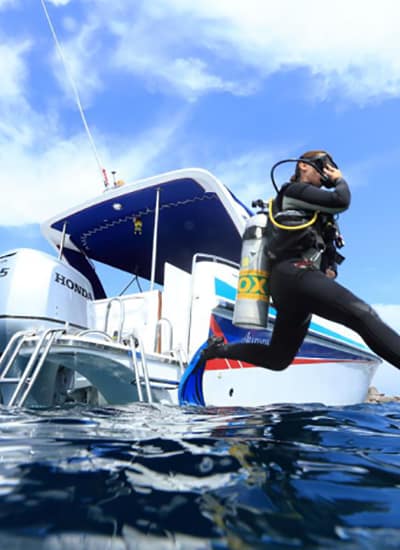
Recreational diving is one of the most common applications for SCUBA cylinders. It includes recreational underwater activities such as guided dives, diving courses, holiday diving, underwater photography and marine sightseeing.
ISO 24803 covers requirements for providers of recreational scuba diving services, including introductory diving, training, organized and guided diving, and rental of diving equipment.
Typical Recreational Diving Applications
- Open-water recreational diving
- Scuba diving courses and training
- Guided diving excursions
- Resort and vacation diving
- Underwater photography and videography
- Recreational marine exploration
- Diving club activities
Recreational diving generally places a strong emphasis on practical handling. Cylinder weight, size, buoyancy characteristics and compatibility with standard diving equipment can therefore be important considerations.
SCUBA Cylinders for Diving Schools
Diving schools and training centers may operate large numbers of cylinders because equipment is repeatedly transported, filled, inspected and used by different divers.
For this application, cylinder selection may consider durability, manageable weight, available capacity, valve configuration and compatibility with the school’s existing regulators and buoyancy systems.
Introductory recreational scuba programmes are also covered by ISO 11121, which specifies minimum programme-content requirements for introductory scuba experiences in an open-water environment.
2. SCUBA Cylinders for Technical Diving
Technical diving involves diving profiles that can require more complex gas management and equipment configurations than conventional recreational diving.
Technical divers may use multiple cylinders to carry different breathing gases during different stages of a dive. Cylinder selection therefore becomes closely related to gas management, equipment configuration, operating depth and planned decompression procedures.
Typical Technical Diving Applications
- Deep diving
- Decompression diving
- Cave diving
- Wreck diving
- Extended-range diving
- Scientific and research diving
- Specialized underwater exploration
Why Cylinder Configuration Matters in Technical Diving
Technical diving may require more than one cylinder. Divers can use primary cylinders together with additional cylinders for decompression or other planned gas requirements.
This makes the following characteristics particularly important:
| Factor | Why It Matters |
|---|---|
| Water Capacity | Determines the amount of gas that can be stored at a given service pressure. |
| Working Pressure | Influences the quantity of compressed gas available and must remain within the cylinder’s rated service pressure. |
| Weight | Affects transportation, equipment configuration, and diver load. |
| Buoyancy | Changes as gas is consumed and can influence underwater equipment configuration. |
| Valve Configuration | Must be compatible with the intended regulator and equipment arrangement. |
| Material | Aluminum, steel, and composite construction provide different weight, durability, and buoyancy characteristics. |
For high-pressure cylinders, the service pressure marked on the cylinder is a critical operating limit. Cylinders should never be filled beyond their rated service pressure.
3. SCUBA Cylinders for Commercial Diving
Commercial diving covers professional underwater activities performed for industrial, construction, inspection, maintenance, marine and other specialized purposes.
Commercial diving operations can have substantially different equipment requirements from recreational diving because cylinders may be used as part of a larger professional diving system and may operate in demanding environments.
Typical Commercial Diving Applications
- Underwater inspection
- Marine construction
- Ship and vessel inspection
- Port and harbor maintenance
- Underwater maintenance and repair
- Scientific and environmental work
- Search and recovery operations
- Professional underwater photography and survey work
SCUBA Cylinders for Underwater Inspection
Inspection teams may use diving cylinders for underwater visual inspection of vessels, structures, pipelines, ports and other submerged assets.
For these applications, cylinder selection may depend on the required working duration, diver mobility, equipment configuration and applicable occupational and pressure-vessel requirements.
4. Recreational vs Technical vs Commercial SCUBA Cylinders
The same basic cylinder technology can serve different diving applications, but the selection criteria can change according to the operating environment.
| Application | Typical Uses | Key Selection Considerations |
|---|---|---|
| Recreational Diving | Training, guided dives, marine exploration, and underwater photography | Weight, capacity, buoyancy, handling, and equipment compatibility |
| Technical Diving | Deep, decompression, cave, wreck, and extended-range diving | Capacity, pressure, material, configuration, and gas-service requirements |
| Commercial Diving | Inspection, maintenance, construction, marine, and professional operations | Application requirements, durability, capacity, regulatory compliance, and system compatibility |
There is no single SCUBA cylinder configuration that is optimal for every diving application. The correct selection depends on the diving profile, equipment configuration, gas service and applicable regulations.
5. Aluminum, Steel and Composite SCUBA Cylinders
SCUBA cylinders can be manufactured using different materials and construction methods. The choice affects weight, durability, buoyancy and handling characteristics.
Aluminum SCUBA Cylinders
Aluminum cylinders are widely used in recreational diving. Their weight and buoyancy characteristics can make them suitable for rental fleets, diving schools and general recreational applications.
They can be particularly useful where equipment needs to be transported frequently or shared among many divers.
Steel SCUBA Cylinders
Steel cylinders can provide high strength and different buoyancy characteristics compared with aluminum cylinders. They are used in recreational and specialized diving applications where their physical characteristics suit the equipment configuration.
Composite and Carbon Fiber SCUBA Cylinders
Composite construction can reduce cylinder weight compared with conventional metal designs while maintaining the pressure-containing function required for compressed gas storage.
Composite and carbon-fiber cylinders may therefore be considered where reduced equipment weight is an important requirement. However, cylinder selection must always be based on the applicable certification, service pressure, gas compatibility and intended application.
6. How to Select a SCUBA Cylinder for Different Applications
When selecting a SCUBA cylinder, the application should be defined before choosing capacity or material.
Step 1: Identify the Diving Application
Determine whether the cylinder will be used for recreational, technical, commercial, training or another specialized diving operation.
Step 2: Determine the Required Capacity
Cylinder water capacity and service pressure affect the quantity of compressed gas that can be stored. The required capacity should be determined according to the planned diving operation and equipment configuration.
Step 3: Select the Cylinder Material
Compare aluminum, steel and composite construction according to weight, buoyancy, durability, handling and application requirements.
Step 4: Check Working Pressure and Gas Service
The cylinder must be designed, marked and certified for the intended service pressure and breathing-gas application. Do not exceed the rated service pressure.
Step 5: Confirm Valve and Equipment Compatibility
The valve connection and configuration should match the intended regulator and diving equipment. Gas-service compatibility should also be verified before filling.
Step 6: Verify Applicable Standards
Pressure-vessel and diving-equipment requirements vary by market and application. Buyers should confirm the certification and inspection requirements applicable to the country where the cylinders will be placed into service.
7. SCUBA Cylinder Applications by Industry
| Industry or User | Typical SCUBA Application |
|---|---|
| Diving Schools | Training and introductory scuba diving |
| Resort Diving Operators | Guided recreational diving and equipment rental |
| Technical Diving Teams | Deep, cave, wreck, and decompression diving |
| Marine Inspection Companies | Underwater inspection and survey |
| Commercial Diving Contractors | Maintenance, repair, and marine construction |
| Research Organizations | Scientific and environmental underwater research |
| Underwater Photography Teams | Marine photography and video production |
| Search and Recovery Teams | Specialized underwater recovery operations |
8. SCUBA Cylinder Safety and Inspection
SCUBA cylinders are pressure vessels and require appropriate inspection, testing, filling and handling procedures. The applicable requirements depend on the cylinder design, certification and jurisdiction.
Operators should use cylinders only within their marked service parameters and should follow the applicable inspection and testing schedule. Cylinders showing damage, corrosion or other conditions that could affect their integrity should be evaluated by qualified personnel before being returned to service.
Particular attention should be given to the cylinder valve, cylinder markings, service pressure and condition of the pressure-containing body.
9. SCUBA Cylinder Applications: Key Takeaways
SCUBA cylinders serve a wide range of underwater applications, from recreational diving and diver training to technical exploration and professional commercial operations.
The application determines many of the important cylinder-selection requirements. Recreational diving often emphasizes handling, weight and equipment compatibility, while technical diving can require more specialized cylinder configurations and commercial diving may introduce additional professional, operational and regulatory requirements.
For all applications, the cylinder should be selected according to its certified design, water capacity, service pressure, material, gas compatibility, valve configuration and applicable regulations.
TECHNICAL FAQs
About SCBA Carbon Fiber Cylinder
An SCBA carbon fiber cylinder is a high-pressure composite cylinder used to store compressed breathing air for a self-contained breathing apparatus. It typically consists of a gas-tight liner reinforced with a carbon fiber composite overwrap.
6.8 L is a widely used SCBA cylinder capacity, although 4.7 L, 6 L, 9 L and other configurations are also available depending on the SCBA system and application.
300 bar is a common high-pressure configuration for modern SCBA systems. The correct pressure rating must be selected according to the SCBA equipment and the cylinder’s certified design.
The duration depends on the cylinder’s free-air capacity, operating pressure, wearer breathing rate and required reserve pressure. A published 6.8 L / 300 bar example has approximately 1,835 L of free-air volume and a nominal duration of about 46 minutes under its specified test conditions. Actual field duration can differ substantially.
Yes. Reducing cylinder weight is one of the primary reasons composite cylinders are used in portable SCBA systems. The exact weight advantage depends on cylinder capacity, pressure rating, liner type, protective components and design.
Yes. Cylinder-only and cylinder-with-valve configurations can be supplied, subject to the required valve connection and SCBA equipment compatibility.
OEM configurations can be discussed for capacity, pressure, dimensions, valve connection, color, markings, packaging and applicable certification requirements.
Conclusion
SCUBA cylinder selection should begin with the intended application rather than simply choosing the largest available cylinder. Recreational, technical and commercial diving can place different demands on cylinder capacity, material, pressure, weight, buoyancy and equipment compatibility.
By matching the cylinder design to the diving application and applicable certification requirements, diving equipment suppliers and operators can develop a more appropriate and reliable compressed-gas solution.




No comment