
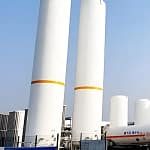
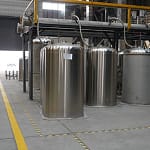

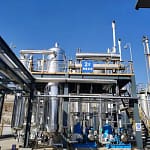




Cryogenic liquid pumps are essential equipment for transferring, loading, unloading, and supplying liquefied gases in industrial and energy applications. They are widely used in LNG terminals, industrial gas plants, air separation units, chemical processing facilities, marine fuel systems, and cryogenic storage installations.
Depending on the liquid medium and operating conditions, cryogenic pumping systems may use centrifugal pumps, reciprocating pumps, submerged motor pumps, canned motor pumps, or magnetically coupled pumps. These technologies are designed for different fluids, including liquefied natural gas (LNG), liquid nitrogen (LIN), liquid oxygen (LOX), liquid argon (LAr), and other liquefied gases.
When evaluating cryogenic liquid pump manufacturers, buyers should consider operating temperature, flow rate, discharge pressure, NPSH requirements, pump construction, material compatibility, safety certifications, and after-sales support.
The following is an overview of 10 international cryogenic and liquefied gas pump manufacturers and suppliers. It compares their product specializations, technical features, and typical applications to help industrial buyers identify suitable suppliers.
10 Leading Cryogenic Liquid Pump Manufacturers and Suppliers
1. Smith Pumps — United States
Smith Pumps is an American manufacturer of positive-displacement pumps and liquefied gas transfer equipment, with experience dating back to 1938. The company specializes in pumping solutions for LPG handling, distribution, and industrial applications.
Product Features
- Positive-displacement pumps for LPG transfer and handling.
- Flow rates ranging from approximately 5 to 250 GPM (19–946 LPM), depending on the model.
- Solutions for cylinder filling, bulk transfer, truck delivery, autogas fueling, and mobile pumping systems.
- Stationary and mobile installation configurations.
Key Advantages
Smith Pumps has decades of experience in LPG pumping applications. Its products emphasize operational reliability, straightforward maintenance, and reduced downtime. The company also performs mechanical seal, casing pressure, and flow-performance testing before shipment.
Valuable Information for Buyers
Smith Pumps is particularly suitable for LPG cylinder filling plants, bulk storage terminals, truck delivery systems, and autogas stations. Buyers should confirm the required flow rate, differential pressure, pump model, motor configuration, and hazardous-area requirements. Its LPG pumps should only be selected for liquid services specified by the manufacturer.
2. EDUR — Germany
EDUR is a German centrifugal pump manufacturer established in 1927. The company develops customized pumping solutions for industrial applications, including LPG and other liquefied gas handling systems.
Product Features
- Single-stage and multistage centrifugal pumps.
- Self-priming and magnetically coupled pump designs.
- Liquefied gas pumps for propane, butane, ammonia, and carbon dioxide applications.
- Solutions for tank truck unloading, industrial gas filling, and gas storage facilities.
Key Advantages
EDUR combines customized centrifugal pump engineering with experience in liquefied gas applications. Its pumps are designed to handle gas-loaded liquids, while low NPSH requirements help reduce cavitation risks under demanding suction conditions. Multiple pump and sealing configurations allow buyers to select equipment for different operating conditions.
Valuable Information for Buyers
EDUR is relevant to LPG terminals, tank farms, industrial gas distribution, chemical processing, and refrigeration systems. Before purchasing, buyers should evaluate gas content, suction conditions, operating pressure, NPSH requirements, ATEX configuration, and mechanical seal arrangements.
3. Nikkiso — Japan
Nikkiso is a Japanese industrial equipment manufacturer with extensive experience in cryogenic pumping technology. Its products serve LNG infrastructure, marine applications, and industrial facilities requiring reliable low-temperature liquid transfer.
Product Features
- Submerged motor cryogenic pumps for LNG, LPG, and other liquefied gases.
- Integrated pump-and-motor construction.
- Automatic axial thrust balancing and specialized bearing arrangements.
- Equipment for LNG receiving terminals, regasification systems, and LNG bunkering facilities.
Key Advantages
The submerged pump design eliminates conventional external shaft seals, helping reduce liquefied gas leakage risks. Nikkiso also incorporates thrust-balancing technology and specialized bearing designs intended to improve operating reliability. Its experience in marine and offshore LNG applications is another important strength.
Valuable Information for Buyers
Nikkiso is worth considering for LNG terminals, FSRUs, LNG bunkering facilities, and marine cryogenic systems. Buyers should specify the liquid medium, operating temperature, flow rate, pump head, installation depth, and maintenance requirements. Marine projects should also confirm applicable vessel and classification requirements.
4. Cryostar — France
Cryostar is a French manufacturer specializing in cryogenic equipment and rotating machinery for industrial gases, natural gas, hydrogen, and energy applications. Its equipment supports industrial gas production, LNG infrastructure, and specialized low-temperature processes.
Product Features
- Cryogenic centrifugal and reciprocating pumps.
- Compressors, expanders, and other rotating equipment.
- Equipment for industrial gas production, LNG processing, and low-temperature liquid transfer.
- Solutions for air separation plants, industrial gas distribution, and hydrogen infrastructure.
Key Advantages
Cryostar’s main strength is its specialization in cryogenic engineering rather than general-purpose industrial pumping. Its product portfolio covers several stages of cryogenic gas processing and transfer. The company also provides technical support, spare parts, equipment repair, maintenance, and commissioning services.
Valuable Information for Buyers
Cryostar is relevant to LNG facilities, industrial gas plants, cryogenic liquid distribution networks, and hydrogen projects. Buyers should request pump performance curves, cryogenic operating limits, material specifications, and factory testing documentation. Local service availability and spare-parts support should also be evaluated.
5. Vanzetti Engineering — Italy
Vanzetti Engineering is an Italian manufacturer specializing in cryogenic pumps and equipment for industrial gases and LNG applications. Its technology supports LNG storage, transportation, distribution, vehicle refueling, and marine fuel systems.
Product Features
- Submerged cryogenic pumps.
- Reciprocating pumps and centrifugal pumping solutions.
- Equipment for LNG vehicle refueling stations and satellite facilities.
- Pumping systems for LNG terminals, storage facilities, and marine bunkering.
Key Advantages
Vanzetti Engineering focuses on dedicated LNG and cryogenic pumping technology. Its experience in low-temperature applications helps address the specific requirements of LNG transfer, including pressure management, vapor handling, and system integration. This specialization makes it an important option among LNG pump manufacturers.
Valuable Information for Buyers
Buyers should determine whether their application requires a submerged pump, reciprocating pump, or another configuration. Important selection factors include flow capacity, discharge pressure, vapor management, installation conditions, and maintenance accessibility. Vanzetti is particularly relevant to LNG fueling, bunkering, and distribution projects.
6. Ebara Corporation — Japan
Ebara Corporation is a Japanese industrial machinery manufacturer with experience in pumps, compressors, turbines, and environmental equipment. Its cryogenic pumping technology is used in large-scale LNG production, storage, transportation, and receiving infrastructure.
Product Features
- Cryogenic pumps for LNG liquefaction plants and receiving terminals.
- Pumping equipment for LNG carrier applications.
- Expanders and other rotating machinery for LNG processing systems.
- Equipment for large-scale natural gas infrastructure.
Key Advantages
Ebara’s strengths include extensive engineering experience, capabilities for large industrial installations, and a broad portfolio of rotating equipment. Its involvement in LNG processing systems makes it relevant to major energy infrastructure projects where reliability and long-term operating performance are important.
Valuable Information for Buyers
Ebara is particularly suitable for large LNG facilities rather than small-scale liquid gas transfer applications. Buyers should provide complete process specifications, including flow rate, pump head, liquid temperature, suction conditions, installation arrangement, and project operating requirements.
7. Flowserve — United States
Flowserve is a global manufacturer of industrial pumps, valves, mechanical seals, and flow-control systems. Its equipment serves the oil and gas, LNG, chemical processing, power generation, and other process industries.
Product Features
- Specialized submerged motor cryogenic pumps.
- HP Series high-pressure pumps for LNG regasification applications.
- Design features including active thrust balancing, specialized bearings, and an inducer configuration.
- Equipment for demanding low-temperature LNG transfer conditions.
Key Advantages
Flowserve combines specialized cryogenic pump technology with extensive industrial engineering capabilities. Its submerged pump designs are intended to support demanding LNG operating conditions, while its international service network provides additional value for large industrial and energy projects.
Valuable Information for Buyers
Flowserve is relevant to LNG regasification terminals, high-pressure LNG transfer, and large industrial gas facilities. Buyers should request hydraulic performance curves, NPSH data, material specifications, applicable API compliance details, and lifecycle service information. Published performance figures should be checked against the selected pump configuration.
8. HERMETIC-Pumpen — Germany
HERMETIC-Pumpen is a German manufacturer specializing in hermetically sealed pumping technology, particularly canned motor pumps for hazardous and demanding industrial applications. Its equipment is designed for handling volatile, toxic, flammable, and liquefied media.
Product Features
- Single-stage and multistage canned motor pumps.
- Specialized designs for liquefied gases and process liquids, including LNG, LPG, methane, ammonia, and carbon dioxide.
- CNF series for liquefied gases, boiling media, and condensates.
- Integrated auxiliary impellers and internal liquid recirculation arrangements.
Key Advantages
Its sealless construction integrates the pump and motor into one unit, eliminating conventional dynamic shaft seals and helping reduce leakage risks. Internal circulation arrangements also support suitable operating conditions when handling liquids close to their vapor pressure.
Valuable Information for Buyers
HERMETIC is relevant to chemical plants, petrochemical facilities, and specialized liquefied gas processing systems. Buyers should evaluate minimum-flow requirements, vapor-pressure conditions, motor cooling, bearing arrangements, and applicable ATEX or other explosion-protection requirements.
9. Shinko Industries — Japan
Shinko Industries is a Japanese manufacturer of pumps, turbines, and marine equipment, with particular expertise in liquefied gas pumping systems. The company has developed cryogenic pump technology for marine LNG transportation and offshore applications.
Product Features
- Submerged liquefied gas pumps for LNG carriers and terminals.
- Land-based LNG pumps and marine fuel supply equipment.
- Pumping solutions for floating offshore facilities.
- Factory testing under conditions designed to simulate actual operating environments, including real LNG testing at approximately −163°C.
Key Advantages
The submerged pump-and-motor arrangement eliminates conventional shaft sealing devices, helping reduce leakage risks during cryogenic liquid transfer. Shinko’s marine engineering experience and LNG testing capabilities make it a relevant supplier for specialized offshore and shipboard applications.
Valuable Information for Buyers
Shinko is particularly relevant to LNG carriers, FSRUs, FPSOs, LNG terminals, and marine fuel systems. Buyers should confirm pump capacity, head, installation arrangement, motor specifications, LNG testing requirements, and applicable marine classification approvals.
10. Sulzer — Switzerland
Sulzer is a Swiss industrial engineering company specializing in pumping solutions, rotating equipment, separation technologies, and lifecycle services. Its equipment serves the oil and gas, LNG, chemical processing, power generation, and energy industries.
Product Features
- Specialized low-temperature pumps for LNG and liquefied gas applications.
- Vertical pumps and engineered pump configurations for LNG loading and tank-farm transfer.
- High-pressure LNG send-out and boil-off gas recondensing applications.
- JVCR high-pressure canned LNG loading pump for demanding pressure and suction conditions.
Key Advantages
Sulzer combines industrial pump engineering with extensive application experience and international lifecycle service capabilities. Its engineered pumping solutions are particularly relevant to large LNG infrastructure projects that require reliable equipment, technical support, and long-term maintenance planning.
Valuable Information for Buyers
Sulzer is suitable for LNG terminals, loading facilities, storage tank farms, high-pressure gas processing, and LPG transportation projects. Buyers should request hydraulic performance data, low-temperature material specifications, maintenance recommendations, spare-parts availability, commissioning support, and lifecycle cost estimates.
Comparison of 10 Cryogenic Liquid Pump Manufacturers
The following table summarizes the main product specializations, pump technologies, and application strengths of these international suppliers. It can help buyers develop an initial supplier shortlist before requesting technical quotations.
| Manufacturer | Country | Main application | Pump technology / strength |
|---|---|---|---|
| Smith Pumps | USA | LPG transfer and cylinder filling | Positive-displacement pumps; LPG specialization |
| EDUR | Germany | LPG and industrial liquefied gases | Centrifugal and magnetic-drive pumps |
| Nikkiso | Japan | LNG terminals and marine systems | Submerged, centrifugal and reciprocating pumps |
| Cryostar | France | LNG and industrial cryogenic gases | Centrifugal, reciprocating and submerged pumps |
| Vanzetti Engineering | Italy | LNG fueling and bunkering | Specialized cryogenic pump systems |
| Ebara | Japan | LNG terminals and liquefaction plants | Cryogenic pumps and expanders |
| Flowserve | USA | High-pressure LNG transfer | High-pressure submerged motor pumps |
| HERMETIC | Germany | Hazardous and volatile liquids | Canned motor and magnetic-drive pumps |
| Shinko Industries | Japan | LNG carriers and marine applications | Submerged liquefied gas pumps |
| Sulzer | Switzerland | LNG loading and high-pressure transfer | Vertical multistage canned pumps |
Note: This is an application-based comparison, not a ranking by sales, market share, or manufacturing capacity. Smith Pumps and EDUR are included for their liquefied gas pumping expertise; their products should not automatically be considered suitable for deep-cryogenic service.
How to Select the Right Cryogenic Liquid Pump
Choosing a cryogenic pump requires matching the equipment design with the physical properties of the liquid and the operating requirements of the system.
1. Confirm the Liquid Medium and Operating Temperature
Different liquefied gases require different materials, pump configurations, and operating conditions.
- LNG: Approximately -162°C, requiring specialized cryogenic pump designs.
- Liquid nitrogen (LIN): Approximately -196°C, requiring materials suitable for extremely low temperatures.
- Liquid oxygen (LOX): Requires oxygen-compatible materials, oxygen cleaning, and strict contamination control.
- Liquid argon (LAr): Approximately -186°C, requiring suitable cryogenic construction.
- LPG: Propane and butane transfer requires pressure-rated pumps suitable for the specified liquid composition and temperature.
- Liquid CO₂: Requires pump selection based on the actual pressure, temperature, and phase conditions.
2. Compare Different Cryogenic Pump Technologies
| Pump type | Typical applications | Main characteristics |
|---|---|---|
| Centrifugal pump | Continuous liquid transfer | Suitable for stable flow and different flow capacities |
| Reciprocating pump | High-pressure cryogenic transfer | Suitable for high-pressure applications and controlled flow |
| Submerged motor pump | LNG storage and transfer | Pump and motor operate within the liquefied gas |
| Canned motor pump | Hazardous and volatile liquids | Sealless construction helps minimize leakage |
| Magnetic-drive pump | Selected liquefied gas and chemical applications | Magnetic coupling eliminates the conventional shaft seal |
3. Check Technical Specifications and Certifications
Before requesting quotations, prepare the following technical information:
- Liquid medium and operating temperature
- Required flow rate and differential head
- Suction pressure, discharge pressure, and NPSH conditions
- Wetted materials and chemical compatibility
- Pump type, motor power, voltage, and frequency
- Mechanical seal or sealless construction requirements
- ATEX, IECEx, API, CE/PED, or other applicable compliance requirements
- Performance test reports and factory acceptance test documentation
- Maintenance intervals, spare parts, and warranty conditions
For oxygen service, confirm that the complete pump package is specifically designed, cleaned, and approved for oxygen duty. A standard LNG or LPG pump should never be assumed suitable for LOX applications.
DSW – Cryogenic Liquid Pump and Liquid Gas Pump Supplier
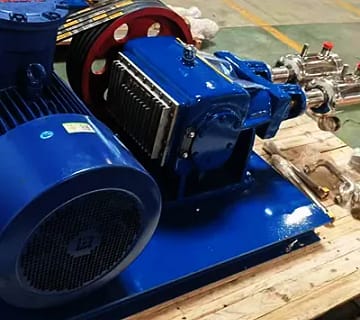
In addition to the manufacturers listed above, DSW supplies a range of cryogenic liquid pumps and liquid gas pumps for industrial gas handling, storage, transportation, and transfer applications. Our product offering covers different pump types and configurations to meet the requirements of LNG, LPG, and other liquefied gas systems.
Whether you need a pump for cryogenic liquid transfer, LNG loading and unloading, LPG handling, or industrial gas supply, DSW can help identify suitable equipment according to your operating conditions and project specifications.
Available Pump Solutions
- Cryogenic liquid pumps: Pumping solutions for low-temperature liquids such as LNG and other cryogenic media.
- Submerged cryogenic pumps: Pump configurations for specialized low-temperature liquid transfer applications.
- LNG pumps: Equipment for LNG storage, transfer, loading, unloading, and supply systems.
- LPG pumps: Pumping solutions for propane, butane, and other liquefied petroleum gas applications.
- Industrial liquid gas pumps: Equipment for handling liquefied gases in industrial processing, storage, and distribution systems.
Why Contact DSW?
As a cryogenic liquid pump and liquid gas pump supplier, DSW provides access to different pump solutions for industrial and commercial projects. We focus on matching pump configurations with the liquid medium, operating temperature, required flow rate, discharge pressure, and installation conditions.
Our team can assist buyers in evaluating suitable pump options for new installations, equipment replacement, and existing gas supply systems. Instead of selecting equipment based on product descriptions alone, customers can discuss their actual operating requirements with DSW before making a purchasing decision.
Request a Cryogenic or Liquefied Gas Pump Solution
Contact DSW with your application requirements, including liquid medium, flow rate, operating pressure, and temperature. Our team will help you identify suitable pump solutions for your industrial gas handling and transfer applications. .
Conclusion
The right cryogenic liquid pump manufacturer depends on the intended application, liquid properties, operating conditions, and technical requirements. Nikkiso, Cryostar, Vanzetti Engineering, Ebara, Flowserve, Shinko, and Sulzer are relevant suppliers to consider for LNG and specialized cryogenic applications, while Smith Pumps and EDUR offer established expertise in LPG and other liquefied gas transfer. HERMETIC provides specialized sealless pump technologies for demanding process applications.
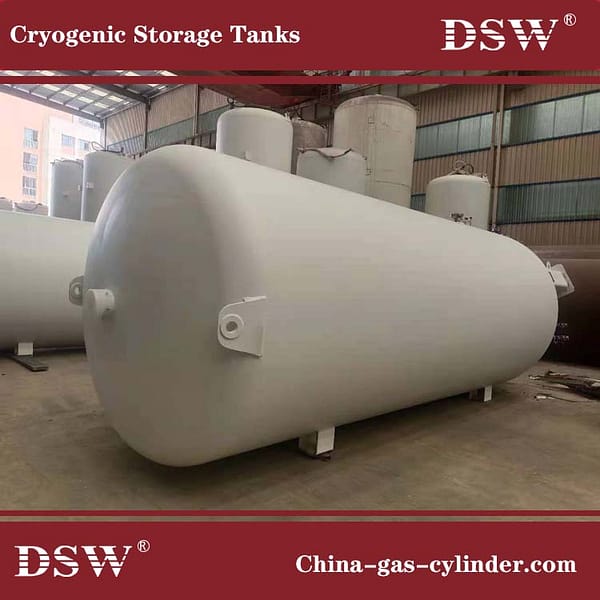
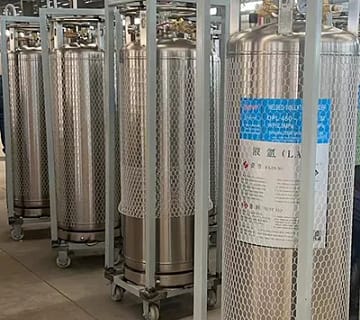
For a complete industrial gas supply installation, pump performance should be evaluated together with cryogenic storage capacity, vaporization equipment, pressure control, and transfer system design. Working with experienced equipment manufacturers helps ensure that the entire system meets the required operational and safety specifications.




No comment