



Guide to LNG Storage Systems: Types, Design Standards
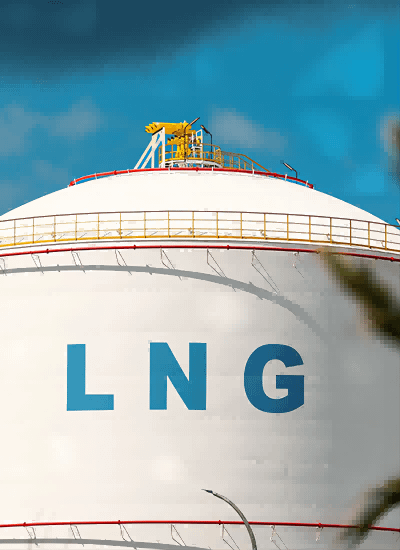
Natural gas is a clean, reliable, and cost-effective energy source worldwide. When cooled to extremely low temperatures, natural gas becomes a liquid, enabling efficient and safe transportation from areas of supply abundance to high-demand regions.LNG storage tank systems are meticulously engineered to maintain natural gas in its liquid state for storage or transportation. These systems employ auto-refrigeration to consistently regulate pressure and temperature within the tank, ensuring optimal conditions for LNG.
What Are LNG Storage Systems and Why Are They Important?
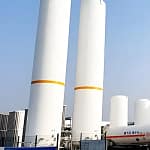
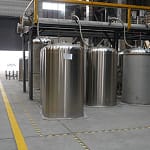
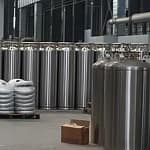
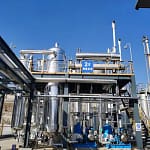
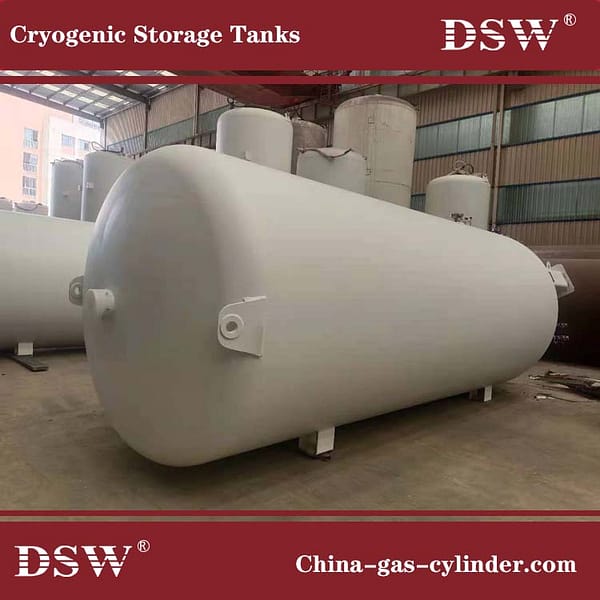
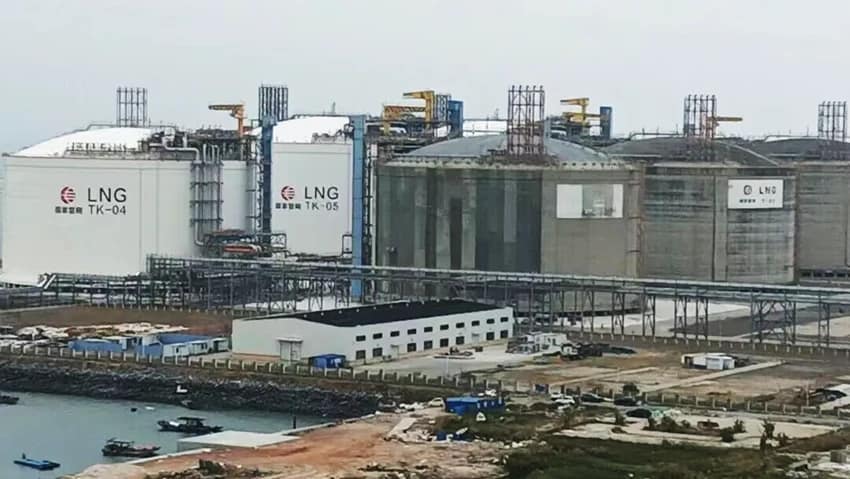
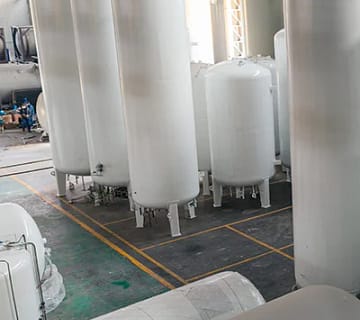
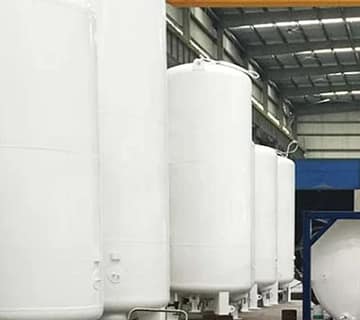
LNG storage systems are specialised infrastructures designed to hold liquefied natural gas for extended periods during production, transportation, or distribution.
- Maintain cryogenic temperatures (−162°C)
- Ensure liquid- and vapour-tight containment
- Support safe handling during filling and withdrawal
- Enable LNG transport from production sites to global markets
Applications: LNG terminals, regasification plants, marine fuel systems, and satellite LNG stations for industrial and power generation use.
Key Design Standards for LNG Storage Tanks
Several international standards regulate LNG tank design, ensuring structural integrity, reliability, and safety in cryogenic environments.
| Standard / Code | Organisation | Scope |
|---|---|---|
| API 625 | American Petroleum Institute | Design and construction of LNG storage tanks |
| API 620 / API 650 | API | Low-pressure and cryogenic tank design |
| EN 14620 | European Standard | Full-containment LNG tank construction |
| NFPA 59A | National Fire Protection Association | Safety and hazard prevention |
| BS 7777 / EEMUA | UK / Europe | Guidance for refrigerated storage tank design |
API 625 is the most recognised global standard for LNG storage tank design.
Types of LNG Storage Tanks
LNG storage tanks are categorized based on design and size using various standards and guidelines, such as EEMUA, BS 7777, EN 1473, EN 14620-1, NFPA 59A, and API 625. Major types include:
- Single Containment Tank Systems: These are liquid and vapour-tight tanks, either single-wall or with separate inner and outer containers. They require external safety barriers, like earth embankments, to contain spills.
- Double Containment Tank Systems: This system consists of a primary tank enclosed within a secondary tank, designed to capture any leaked LNG while allowing gas escape and maintaining safety standards.
- Full Containment Tank Systems: These systems comprise primary and secondary containers, providing comprehensive storage. The primary container can be cylindrical with a self-supporting shell or have a dome roof for vapour containment.
- Membrane Tank Systems: Employed initially for LNG tankers and later adapted for land-based storage, membrane tanks feature a thin stainless-steel membrane, thermal insulation, and an outer concrete container, ensuring structural integrity and thermal protection.
API Standards and Codes: Established in the 1960s, the American Petroleum Institute (API) sets guidelines for designing, constructing, and selecting materials for storage tank systems. These standards enhance industry safety and quality and are continuously updated to incorporate technological advancements and best practices.
API 625 is a standard developed by the American Petroleum Institute (API) specifically for the design and construction of liquefied natural gas (LNG) storage tanks. The standard provides guidelines and requirements to ensure the safety, reliability, and integrity of LNG storage systems.
Performance Requirements and Design:
Design criteria, such as those outlined in EN 14620-3, focus on safety factors for abnormal actions like seismic events, overpressure, and leaks. These criteria ensure that LNG storage systems meet stringent safety and operational standards, including liquid-tightness and vapor-tightness under varying conditions.
LNG Storage Tank Costs: Cost estimation factors include terminal construction, natural gas transmission pipelines, and LNG satellite storage facilities. Costs vary based on project specifics, including land acquisition, infrastructure development, and operational logistics.
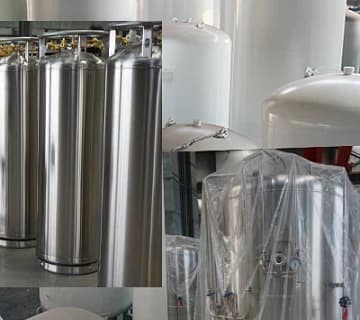
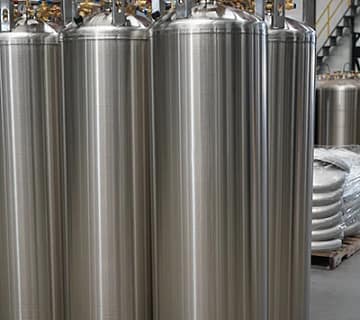
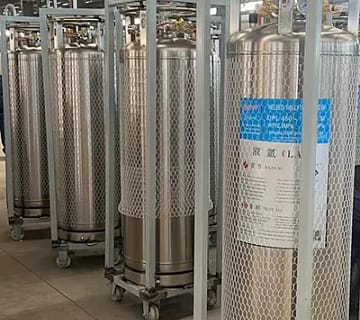
Recent Advancements: Technological advancements include vacuum-insulated tanks for gas-powered vessels, offering superior thermal insulation and operational efficiency. These tanks use vacuum spaces and absorbent materials to minimize heat transfer, ideal for small-scale LNG storage.
Conclusion
In conclusion, LNG storage systems encompass diverse technologies and standards tailored to ensure safety, efficiency, and cost-effectiveness in storing and transporting natural gas. Understanding these systems’ complexities is essential for designing and implementing robust LNG infrastructure worldwide. Please visit our website for more information on LNG storage systems and related components.



No comment