





Overview
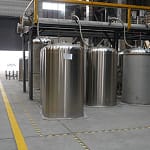
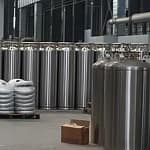
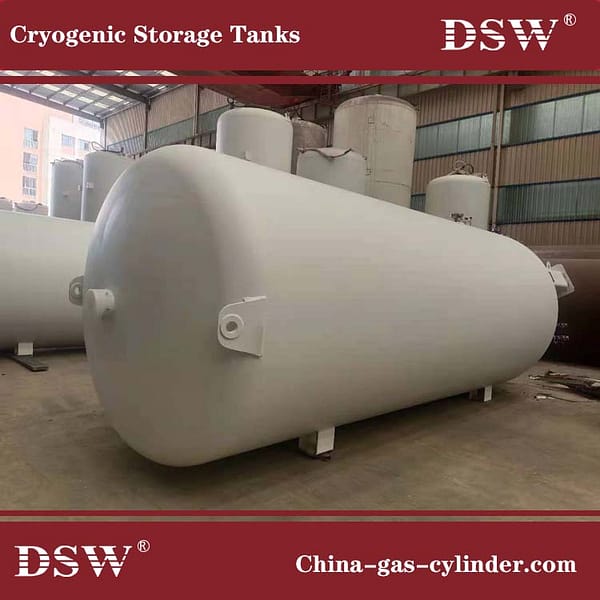
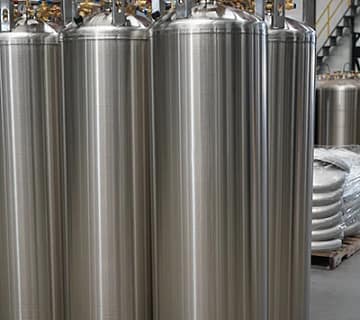
Liquid medical oxygen (LOX) is a high-purity, cryogenic supply of oxygen widely used in hospitals, ambulances and home care. Stored at very low temperatures in vacuum-insulated vessels (≈−183°C), LOX provides reliable oxygenation for critical, surgical and long-term treatments.
Below is a comprehensive overview of the primary applications of LOX, followed by an explanation of why oxygen is essential for human physiology and how hypoxia affects the body.
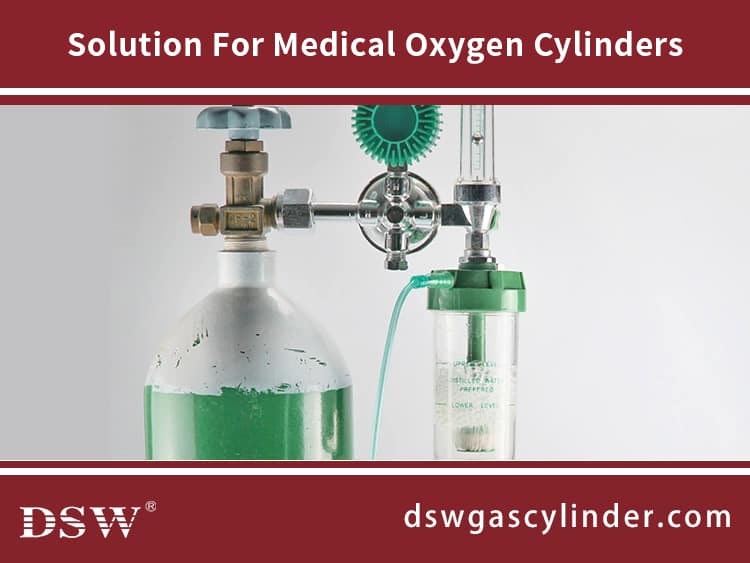
Respiratory Support: One primary use of liquid medical oxygen is to provide respiratory support to patients with respiratory conditions or those undergoing surgical procedures. Hospitals and healthcare facilities commonly administer oxygen to patients through various delivery systems, such as oxygen masks, nasal cannulas, or ventilators.
Emergency Medicine: Cryogenic oxygen is crucial in emergency medicine settings. It stabilizes patients experiencing respiratory distress, trauma, or other critical conditions. Oxygen therapy with liquid medical oxygen helps improve oxygenation and can be a life-saving emergency intervention.
Anaesthesia: Anesthesiologists use liquid medical oxygen and other gases during surgical procedures. Liquid medical oxygen is a key component in anaesthesia delivery systems, ensuring proper oxygenation and maintaining vital signs during surgeries.
Intensive Care Units (ICUs): Liquid medical oxygen is essential in ICUs, where critically ill patients require oxygen support. It provides supplemental oxygen to patients with respiratory failure, severe pneumonia, acute respiratory distress syndrome (ARDS), or other critical conditions.
Home Oxygen Therapy: Liquid medical oxygen is also used for home oxygen therapy, enabling patients with chronic respiratory diseases such as chronic obstructive pulmonary disease (COPD) or cystic fibrosis to receive oxygen treatment in the comfort of their homes. Home oxygen concentrators or portable liquid oxygen systems deliver oxygen to patients.
Neonatal Care: LO2 is used in neonatal intensive care units (NICUs) to provide oxygen therapy to premature infants or newborns with respiratory complications. Oxygen support is critical for their lung development and overall well-being.
It’s important to note that the applications of LO2 may vary depending on healthcare providers’ specific needs and protocols. The use of cryogenic oxygen should always be under the guidance and prescription of trained medical professionals.
Oxygen is a vital element that plays a crucial role in sustaining our physiological functions. In the human body, both transient and prolonged states of hypoxia can have significant consequences. Short-term hypoxia can result in discomfort, while long-term hypoxia can lead to tissue-related pathologies. The causes of hypoxia in the human body can be categorized into three distinct factors: resulting from intake disorders, hypoxia arising from transport disruptions, and hypoxia-induced by excessive physiological demands.
1. Intake Disorders: Intake disorders, such as asthma and respiratory diseases, represent typical instances of hypoxia caused by impediments in the inhalation process. These conditions can significantly impact daily life, studies, and work. External factors like an oxygen-deprived environment without air circulation, such as a basement or poorly ventilated indoor spaces during winter, can also impede oxygen intake. Furthermore, poor postures, like a hunched back and chest, restrict the lungs from fully expanding during breathing, leading to hypoxia. This occurs due to inadequate lung ventilation, which hinders oxygen intake.
2. Transport Obstacles: Oxygen primarily reaches all body tissues through blood circulation. Therefore, any impairment in the blood supply can result in tissue hypoxia, leading to pathological changes. Here are a few examples of transport obstacles:
- Coronary Heart Disease: This condition arises from myocardial hypoxia, caused by reduced blood supply due to stenotic coronary artery disease, leading to ischemic heart disease.
- Atherosclerosis: Atherosclerosis is a term encompassing degenerative and proliferative lesions characterized by thickening and hardening of the arterial wall, resulting in narrowing of the blood vessel lumen. Diminished vascular diameter and impaired blood circulation lead to tissue hypoxia, thereby contributing to the development of diseases and necrosis.
- Cerebrovascular Disease: Cerebrovascular embolism and other factors can cause cerebral tissue hypoxia and deprivation of essential nutrients, resulting in tissue damage and necrosis.
3. Excessive Consumption: Prolonged and excessive mental exertion is a common cause of hypoxia, particularly in individuals who subject their brains to excessive strain. This condition can lead to cerebral hypoxia, resulting in reduced learning capacity, decreased work efficiency, delayed response times, and disrupted nocturnal sleep patterns. Additionally, the accumulation of lactic acid contributes to feelings of fatigue and muscle soreness. Lactic acid is produced through anaerobic glycolysis in tissues with insufficient oxygen supply.
Why Oxygen Matters: Understanding Hypoxia
Intake Disorders (Breathing Difficulties)
Occurs when oxygen delivery to the lungs is impaired—e.g., asthma, airway obstruction, infections, or poor environmental ventilation.
Transport Obstacles (Circulatory Problems)
When blood flow is compromised (coronary disease, atherosclerosis, cerebrovascular events), tissues become oxygen-deprived despite adequate lung function.
Excessive Consumption (High Demand)
Occurs when metabolic demand outstrips supply (intense exertion, prolonged stress), leading to anaerobic metabolism and lactic acid accumulation.
Advantages of LOX Over Compressed Oxygen
- Higher storage density—more oxygen in a smaller footprint.
- Lower working pressures—safer handling and distribution.
- Reduced cylinder changes—operational efficiency for large facilities.
- Consistent medical-grade purity suitable for critical care.
Safety & Handling
- Store LOX in certified vacuum-insulated cryogenic vessels.
- Use oxygen-compatible materials; avoid oil/grease contamination.
- Provide staff training, PPE for cryogenic transfers and emergency procedures.
- Ensure ventilation and oxygen monitoring in enclosed areas.
- Schedule routine inspection and maintenance of valves, piping and tanks.
Conclusion
LOX is indispensable in modern medicine — from emergency stabilisation and ICU care to neonatal support and home therapy. Its high capacity, purity and reliability make it the preferred oxygen source for hospitals, mobile units and specialised centres.




No comment