Industrial gases are fundamental to modern industry, supporting manufacturing, healthcare, energy, and food processing. Common gases such as oxygen, nitrogen, argon, carbon dioxide, and hydrogen are used to improve efficiency, control processes, and ensure safe operations.
This category covers industrial gas types, applications, storage systems, and supply methods, providing practical insights for engineers and procurement professionals.

What Are Industrial Gases?

Industrial gases are produced for use in industrial and commercial applications. They are supplied as compressed gases, cryogenic liquids, or through pipeline systems, depending on operational requirements.

Main Categories

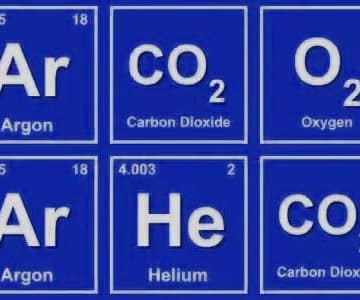
  • Atmospheric gases – oxygen (O₂), nitrogen (N₂), argon (Ar)
  • Process gases – hydrogen (H₂), carbon dioxide (CO₂)
  • Specialty gases – helium (He) and noble gases

Key Applications

  • Manufacturing & Metal Processing – welding, cutting, heat treatment
  • Healthcare – medical oxygen and sterilization
  • Food & Beverage – modified atmosphere packaging and carbonation
  • Electronics – controlled and clean environments
  • Energy & Chemicals – refining and hydrogen energy systems

Industrial Gas Storage & Supply Methods

Efficient storage and distribution are essential for industrial gas systems. The choice depends on volume, transport distance, and application requirements.

Common Supply Options

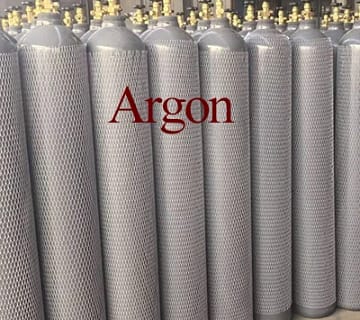
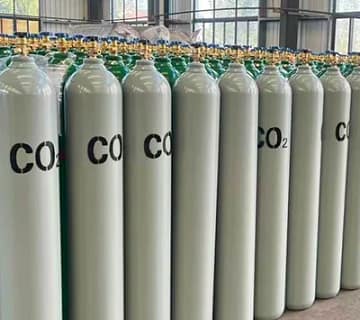
  • Gas cylinders – high-pressure, flexible supply
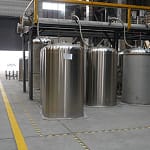
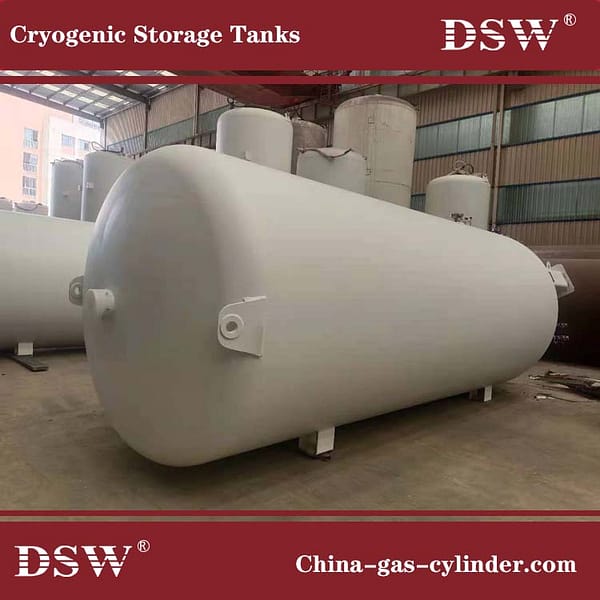
  • Cryogenic tanks – liquefied gas storage at low temperatures
  • ISO tank containers – bulk transportation solutions
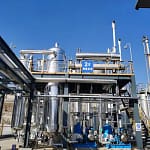
  • Pipeline systems – continuous supply for large facilities

Explore Industrial Gas Topics

  • Industrial gas types and properties
  • Cryogenic liquid storage systems
  • Gas cylinder safety and compliance
  • LNG and bulk gas transportation
  • Vaporizers and gas handling equipment