




What Is Liquid Oxygen (LOX)?
Liquid oxygen (LOX) is oxygen in its liquid state, produced by cooling oxygen gas to extremely low temperatures. It is a cryogenic liquid with a normal boiling point of approximately -183°C (-297°F) at atmospheric pressure. Liquid oxygen is widely used in industrial gas supply, metal processing, chemical manufacturing, healthcare, aerospace, and other applications that require a reliable source of oxygen.
Unlike compressed oxygen gas, which is stored in high-pressure gas cylinders, liquid oxygen is stored in specially designed cryogenic vessels that maintain its extremely low temperature. When liquid oxygen is converted back into gas, its volume expands significantly, making cryogenic storage an efficient solution for applications that require relatively large quantities of oxygen.
Understanding the properties of LOX, its production process, and the different storage methods helps industrial users select appropriate oxygen storage and supply equipment. This guide explains how liquid oxygen is produced, how it is stored, the equipment used in a LOX supply system, and the essential safety considerations.
How Is Liquid Oxygen Produced?
Liquid oxygen is primarily produced through the cryogenic air separation process. Atmospheric air contains approximately 21% oxygen, 78% nitrogen, and small quantities of other gases, including argon. Industrial air separation plants use differences in the boiling points of these gases to separate and recover oxygen.
The production process generally involves several stages:
1. Air Compression and Purification
Atmospheric air is drawn into an air separation plant and compressed to the required operating pressure. It then passes through purification equipment to remove moisture, carbon dioxide, hydrocarbons, and other impurities that could freeze or interfere with the low-temperature separation process.
2. Cooling and Liquefaction
The purified air is cooled to cryogenic temperatures using heat exchangers and refrigeration or expansion processes. As the temperature decreases, the air becomes partially or fully liquefied, depending on the design of the air separation unit.
3. Cryogenic Distillation
The liquid air enters distillation columns, where oxygen, nitrogen, and argon are separated according to their different boiling points. Oxygen has a higher boiling point than nitrogen, allowing it to be concentrated in the oxygen separation section.
4. Oxygen Recovery and Storage
The separated oxygen is recovered as a liquid product and transferred to suitable cryogenic storage equipment. Depending on the required purity, production capacity, and supply arrangement, the liquid oxygen can be stored at an air separation facility or transported in specially designed cryogenic tankers to the end user’s storage installation.
The resulting product is commonly called liquid oxygen or LOX. Its purity and quality depend on the air separation process and the product specifications required by the customer.
What Are the Physical Properties of Liquid Oxygen?
Liquid oxygen has several distinctive physical and chemical properties that determine how it must be stored, transported, and handled. Its extremely low temperature requires specialized cryogenic equipment, while its strong oxidizing properties require particular attention to material compatibility and fire prevention.
| Property | Liquid Oxygen (LOX) |
|---|---|
| Chemical formula | O₂ |
| Molecular weight | 32.00 g/mol |
| Normal boiling point | Approximately -183°C (-297°F) |
| Appearance | Pale blue liquid |
| Liquid density at normal boiling point | Approximately 1,142 kg/m³ |
| Gas expansion ratio | Approximately 1:850 |
| Chemical classification | Strong oxidizer |
| Storage method | Vacuum-insulated cryogenic vessels |
Note: Physical property values are approximate reference values. Liquid density and boiling temperature vary with pressure. The expansion ratio is also dependent on the reference temperature and pressure used for the resulting oxygen gas.
Why Does Liquid Oxygen Expand When It Becomes Gas?
One of the most important characteristics of liquid oxygen is its high gas expansion ratio. When LOX absorbs heat and vaporizes into gaseous oxygen, its volume increases substantially.
Under typical reference conditions, approximately 1 liter of liquid oxygen can produce around 850 liters of gaseous oxygen. This means a relatively compact cryogenic storage vessel can hold a large quantity of oxygen compared with the equivalent volume of compressed gas at a specified delivery pressure.
This high volumetric expansion makes liquid oxygen particularly suitable for industrial facilities and large oxygen consumers that require continuous or high-volume gas supply.
How Is Liquid Oxygen Stored?
Liquid oxygen is stored in specially engineered cryogenic storage vessels designed to maintain extremely low temperatures and control internal pressure. Because LOX boils at approximately -183°C under atmospheric pressure, ordinary storage containers cannot provide the required thermal insulation or pressure protection.
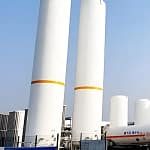
The most common storage solution is a vacuum-insulated cryogenic vessel consisting of an inner pressure vessel and an outer protective jacket. The space between these two walls is evacuated to create a high-vacuum insulation layer, often combined with additional insulating materials depending on the vessel design.
This construction significantly reduces heat transfer from the surrounding environment, helping maintain the liquid oxygen in its liquid state and minimizing evaporation during storage.
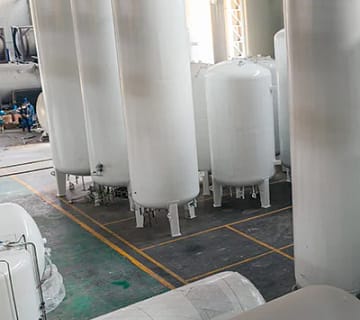
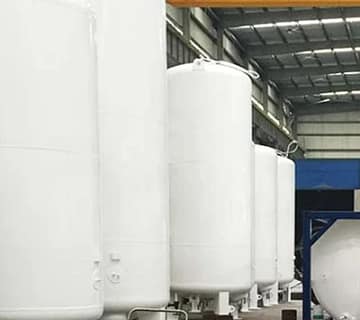
1. Vacuum-Insulated Liquid Oxygen Storage Tanks
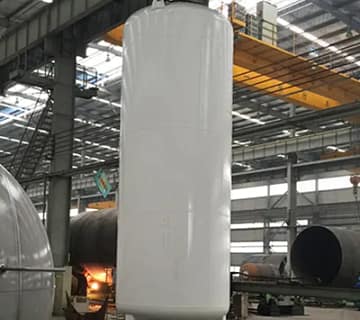
Vacuum-insulated liquid oxygen storage tanks are commonly used in industrial facilities, hospitals, oxygen production plants, and other large-scale oxygen supply installations.
These tanks typically feature a double-wall construction:
- Inner vessel: A pressure-retaining container designed for cryogenic oxygen service. Austenitic stainless steel is commonly used for oxygen-wetted components because of its suitability for low-temperature applications, subject to the applicable oxygen-service requirements.
- Outer jacket: A protective external shell that encloses the inner vessel and supports the insulation system.
- Vacuum insulation: The evacuated annular space reduces heat transfer between the inner vessel and the surrounding environment.
- Additional insulation: Perlite or multilayer insulation (MLI) may be used depending on the tank construction and insulation design.
- Safety and operating accessories: Pressure-relief devices, level indicators, pressure gauges, valves, and other components support safe operation and monitoring.
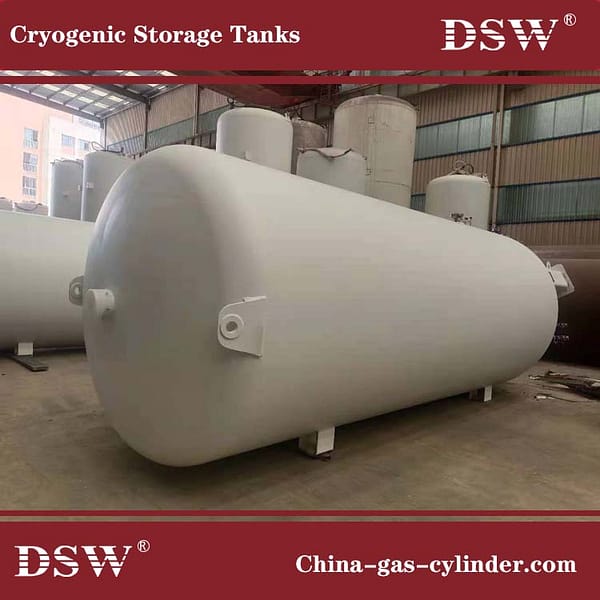
Liquid oxygen storage tanks are available in different capacities and configurations. Vertical tanks are often selected where floor space is limited, while horizontal designs may be suitable for specific installation and transportation requirements.
Tank capacity, design pressure, material selection, insulation performance, and pressure-relief arrangements must be determined according to the intended application and applicable design standards.
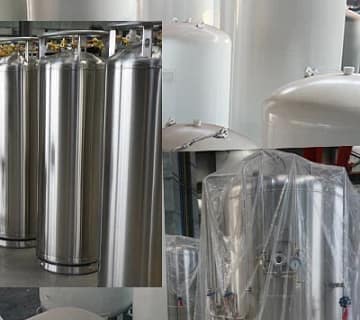
2. Liquid Oxygen Dewars
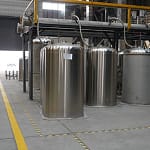
Liquid oxygen Dewars are smaller cryogenic vessels designed for storing and supplying liquid oxygen in applications that do not require a large stationary bulk storage tank.
A typical cryogenic Dewar uses a double-wall construction with vacuum insulation to reduce heat transfer and limit liquid oxygen evaporation. Depending on its design, it may include a pressure-building system, pressure-relief devices, liquid withdrawal connections, and gas supply connections.
Compared with large bulk storage tanks, Dewars are generally easier to relocate and can be suitable for smaller oxygen consumption requirements, laboratory applications, and specialized supply arrangements.
However, a liquid oxygen Dewar is not simply an ordinary gas cylinder. It is a purpose-designed cryogenic vessel that must meet the applicable pressure, material, oxygen compatibility, and safety requirements.
For related equipment, see DSW’s cryogenic Dewar cylinders.
3. Bulk Liquid Oxygen Storage Systems
Bulk liquid oxygen storage systems are designed for facilities with substantial and relatively continuous oxygen demand. They typically consist of a large vacuum-insulated storage tank connected to vaporization, pressure control, and gas distribution equipment.
These installations are commonly found in:
- Hospitals and medical oxygen supply installations
- Steelmaking and metal processing facilities
- Chemical and petrochemical plants
- Glass manufacturing facilities
- Wastewater treatment plants
- Industrial gas distribution stations
- Oxygen production and air separation plants
The storage capacity is selected according to oxygen consumption, delivery frequency, required operating pressure, reserve requirements, and available installation space.
For industrial users, a properly designed bulk LOX system can provide a centralized oxygen supply while reducing the need for frequent replacement of individual compressed gas cylinders.
How Does a Liquid Oxygen Storage and Supply System Work?
A liquid oxygen storage system does more than simply hold cryogenic liquid. It also provides the equipment needed to maintain storage conditions, convert liquid oxygen into gaseous oxygen, and deliver the gas at the required pressure and flow rate.
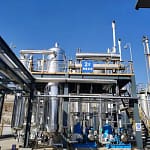
A typical industrial LOX supply installation includes the following major components:
1. Cryogenic Storage Tank
The storage tank holds liquid oxygen at the required operating conditions. Its vacuum-insulated construction minimizes heat ingress, while pressure and liquid-level monitoring equipment helps operators assess the storage condition.
2. Pressure-Building System
A pressure-building coil or vaporizer may be installed to help maintain the required tank pressure. A controlled portion of liquid oxygen is vaporized through heat exchange, and the resulting gas is returned to the appropriate tank space according to the system design.
This arrangement helps maintain the pressure needed for liquid withdrawal and downstream oxygen supply. Its design and control must be suitable for the specific storage vessel and operating conditions.
3. Ambient Air Vaporizer
Liquid oxygen is converted into gaseous oxygen through a vaporizer. Ambient air vaporizers use heat from the surrounding air to warm and vaporize the cryogenic liquid without requiring a conventional external heating source.
Vaporizer capacity is selected according to the required oxygen flow rate, inlet conditions, outlet temperature, ambient conditions, and expected operating cycle.
4. Pressure Regulation and Control Equipment
After vaporization, pressure regulation and associated control equipment help deliver gaseous oxygen at the required downstream operating pressure. The system may also include isolation valves, pressure gauges, safety devices, and monitoring instruments.
5. Oxygen Distribution Pipeline
Following pressure regulation, gaseous oxygen is supplied through an appropriately designed distribution pipeline to the end-use equipment or production process. All oxygen-contacting piping, valves, fittings, and other components must be suitable for oxygen service and installed according to applicable requirements.
The complete arrangement depends on the application, oxygen consumption, supply pressure, required flow rate, and installation conditions.
Liquid Oxygen Storage Safety Requirements
Liquid oxygen requires specialized handling because of its extremely low temperature and strong oxidizing properties. Although oxygen itself is not flammable, it supports combustion and can cause materials to burn much more rapidly and intensely in an oxygen-enriched environment.
Proper equipment selection, installation, maintenance, and operating procedures are essential for safe LOX storage and supply.
1. Use Oxygen-Compatible Materials
All materials that come into contact with liquid or gaseous oxygen must be suitable for the intended oxygen service, pressure, and temperature conditions.
Material selection must consider oxygen compatibility, ignition sensitivity, operating pressure, temperature, and equipment design. Materials suitable for ordinary industrial gas service are not automatically suitable for oxygen service.
2. Prevent Oil and Grease Contamination
Oil, grease, and other hydrocarbon contaminants can create serious ignition hazards in oxygen systems. Oxygen-service equipment must be properly cleaned, inspected, and maintained using approved oxygen-cleaning procedures.
Never allow lubricants or combustible contaminants to enter LOX equipment, valves, pipelines, or connections unless specifically approved for the relevant oxygen service.
3. Provide Pressure-Relief Protection
Heat entering a cryogenic storage vessel causes liquid oxygen to vaporize and can increase internal pressure. Properly designed pressure-relief devices are therefore essential to protect the vessel and associated equipment against excessive pressure.
Pressure-relief systems must be correctly sized, installed, inspected, and maintained according to the applicable codes and equipment manufacturer’s requirements. Relief outlets must discharge to appropriately designed locations that prevent hazardous oxygen enrichment around people, buildings, and combustible materials.
4. Ensure Adequate Ventilation
Oxygen leaks or releases can create oxygen-enriched atmospheres, increasing the risk of fire and rapid combustion. LOX storage areas should have suitable ventilation and be designed to prevent oxygen accumulation in enclosed or poorly ventilated spaces.
Site layout, vent discharge locations, and separation distances should follow the applicable oxygen storage standards and local regulations.
5. Protect Personnel from Cryogenic Temperatures
Direct contact with liquid oxygen or extremely cold equipment surfaces can cause severe cold burns and frostbite. Personnel involved in LOX operations must receive appropriate training and use suitable personal protective equipment, including cryogenic gloves, eye protection, and face protection where required by the task risk assessment.
6. Keep Combustible Materials Away
Oxygen-enriched environments significantly increase the combustion risk. Storage areas should be kept free of unnecessary combustible materials, ignition sources, oil, grease, and other substances that may react dangerously in oxygen-rich conditions.
Liquid oxygen storage and handling procedures must be established by qualified personnel and comply with relevant regulations, engineering standards, and equipment instructions.
Liquid Oxygen Storage vs. Compressed Oxygen Cylinders
Liquid oxygen and compressed oxygen gas are two common methods of supplying oxygen to industrial users. Both provide oxygen for industrial processes, but they differ in storage conditions, equipment requirements, supply capacity, and transportation arrangements.
| Comparison | Liquid Oxygen (LOX) | Compressed Oxygen Gas |
|---|---|---|
| Physical State | Liquid | Gas |
| Storage Temperature | Cryogenic temperature | Usually ambient temperature |
| Storage Equipment | Vacuum-insulated cryogenic tanks or dewars | High-pressure gas cylinders or cylinder bundles |
| Storage Pressure | Depends on vessel design and operating conditions | Typically stored at high pressure |
| Gas Volume per Storage Volume | High expansion ratio during vaporization | Depends on cylinder water capacity and filling pressure |
| Typical Applications | Large or continuous oxygen consumption | Smaller or intermittent oxygen demand |
For facilities with substantial and continuous oxygen demand, bulk liquid oxygen storage can offer higher storage density and centralized gas supply. Compressed oxygen cylinders are often more suitable for smaller requirements, portable applications, or locations without dedicated cryogenic storage infrastructure.
Select the appropriate oxygen supply method based on consumption, required pressure and flow rate, delivery logistics, installation conditions, and total operating costs.
Where Is Liquid Oxygen Used?
Liquid oxygen is used across multiple industries because it provides a concentrated oxygen supply that can be stored in relatively compact cryogenic vessels and converted into gaseous oxygen when required.
Industrial Manufacturing and Metal Processing
Oxygen is used in steelmaking, metal cutting, metal refining, and other industrial processes. Bulk LOX storage systems can supply oxygen to facilities with high and continuous consumption requirements.
Chemical and Petrochemical Industry
Oxygen is used in selected chemical oxidation processes, combustion applications, and industrial production systems. Liquid oxygen provides a practical supply method for plants requiring substantial oxygen volumes.
Healthcare and Medical Oxygen Supply
Liquid oxygen is used in appropriately designed medical oxygen supply installations. It can be stored in bulk cryogenic vessels, vaporized, and distributed as gaseous oxygen through compliant medical gas systems. Medical oxygen installations must meet applicable healthcare regulations and oxygen quality requirements.
Wastewater Treatment
Oxygen can be used in certain wastewater treatment processes to support biological treatment and improve oxygen transfer. Liquid oxygen storage and vaporization equipment may be used where the required oxygen consumption justifies a bulk supply system.
Aerospace and Specialized Applications
Liquid oxygen is also used as an oxidizer in certain rocket propulsion systems and specialized technical applications. These applications require dedicated equipment and stringent handling procedures because of the hazards associated with cryogenic oxygen.
How to Select a Liquid Oxygen Storage Tank
Selecting a suitable liquid oxygen storage tank requires evaluating the actual oxygen demand, installation conditions, operating requirements, and applicable design standards. The following factors should be considered when planning a LOX storage system.
Storage Capacity
Tank capacity should be determined by daily oxygen consumption, peak demand, delivery frequency, reserve requirements, and expected supply interruptions. An appropriately sized tank helps maintain reliable oxygen availability without unnecessary capital investment.
Design Pressure
The tank design pressure must be compatible with the intended operating conditions and downstream supply requirements. Pressure selection should also account for the vaporization system, pressure regulation, relief devices, and applicable engineering standards.
Tank Configuration
Vertical and horizontal cryogenic storage tanks are available for different site layouts. Selection should consider available space, foundation requirements, maintenance access, transportation limitations, and the overall installation arrangement.
Insulation Performance
Effective vacuum insulation is essential for limiting heat ingress and reducing liquid oxygen evaporation during storage. The insulation design, vacuum integrity, and expected holding performance should be evaluated when comparing equipment options.
Applicable Design Standards
Liquid oxygen storage tanks must be designed, manufactured, inspected, and tested according to the applicable pressure vessel codes and regulations for the destination market. Depending on the project, relevant requirements may include ASME Section VIII, EN standards, and other recognized national or regional pressure vessel regulations.
Importantly, compliance with a general pressure vessel standard does not automatically establish suitability for oxygen service. Oxygen compatibility, cleanliness, component selection, and system-level safety must also be addressed.
TECHNICAL QUESTIONS
FAQs About Liquid Oxygen
Liquid oxygen has a normal boiling point of approximately -183°C (-297°F) at atmospheric pressure. Actual storage temperature depends on the pressure and operating conditions of the cryogenic vessel.
No. Oxygen is not a fuel and is not itself flammable. However, it is a strong oxidizer that supports combustion. In an oxygen-enriched environment, combustible materials can ignite more easily and burn much more rapidly and intensely than under normal atmospheric conditions.
Liquid oxygen must be maintained at extremely low temperatures. Vacuum insulation reduces heat transfer from the surrounding environment, helping minimize evaporation and maintain the required storage conditions.
A pressure build-up unit is a system that vaporizes a small amount of liquid oxygen and returns it as gas to the tank to maintain the required pressure for stable operation and oxygen delivery.
No. Ordinary compressed gas cylinders are not designed to store cryogenic liquid oxygen. LOX requires purpose-built cryogenic vessels, such as vacuum-insulated Dewars or stationary cryogenic storage tanks, designed for the relevant pressure and oxygen-service requirements.
Both are designed for cryogenic liquid storage, but they generally serve different capacity and application requirements. Liquid oxygen bulk tanks are commonly used for larger stationary storage installations, while Dewars are typically used for smaller-scale storage and supply applications. Their construction, pressure ratings, and operating arrangements depend on the specific equipment design.
Suitable cryogenic-grade stainless steels, particularly austenitic stainless steels, are commonly used for liquid oxygen-wetted components. Other materials and components must be specifically evaluated for their compatibility with oxygen, cryogenic temperatures, pressure, and service conditions.
LOX is oxygen in liquid form at cryogenic temperatures, while gaseous oxygen is oxygen in its gas state. Both have the same chemical formula, O₂, but require different storage equipment. Liquid oxygen is stored in cryogenic vessels, whereas gaseous oxygen is commonly supplied through compressed gas cylinders, cylinder bundles, or vaporized liquid oxygen systems.
Conclusion: Choosing the Right Liquid Oxygen Storage Solution
Liquid oxygen is an important industrial gas supply option for applications requiring substantial oxygen volumes and reliable gas availability. Its low boiling point, high gas expansion ratio, and strong oxidizing properties make specialized cryogenic storage and handling equipment essential.
Depending on the required capacity and application, liquid oxygen can be stored in vacuum-insulated Dewars or larger stationary cryogenic storage tanks. A complete LOX supply installation may also include pressure-building equipment, ambient air vaporizers, pressure regulation, and oxygen distribution pipelines.
When selecting liquid oxygen storage equipment, users should consider storage capacity, design pressure, insulation performance, oxygen compatibility, applicable standards, and site-specific safety requirements.
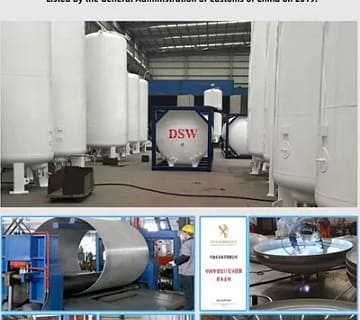
DSW provides industrial gas storage and cryogenic equipment solutions for different industrial applications. Understanding the technical requirements of liquid oxygen storage is an important first step toward selecting suitable equipment for a reliable oxygen supply system.

No comment