
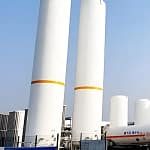
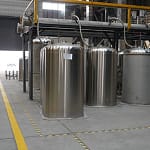



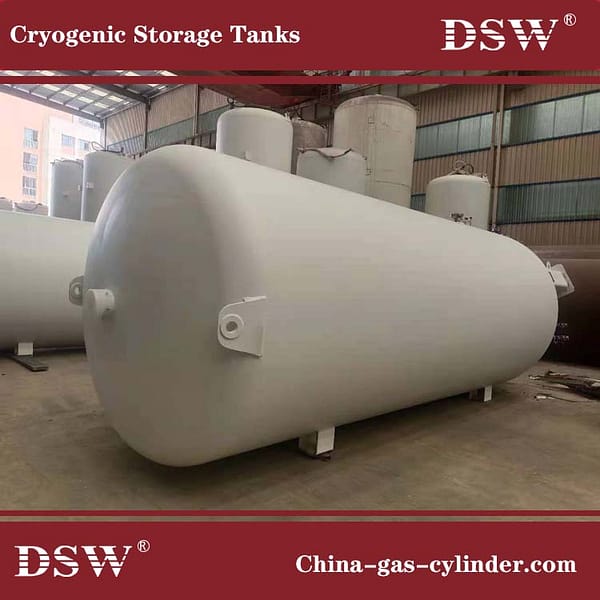


Sulfur hexafluoride (SF₆) is widely used as an insulating and arc-quenching gas in gas-insulated switchgear (GIS), high-voltage circuit breakers, substations and other electrical power applications. Because SF₆ is supplied and stored under pressure, selecting the appropriate cylinder or bulk packaging configuration is essential for safe handling, transportation and reliable gas supply.
SF₆ gas is available in different packaging formats, including standard high-pressure cylinders, large-capacity cylinders, Y-type cylinders and gas drums. Specialized bulk containers may also be considered for larger industrial requirements, subject to their design specifications and applicable transportation approvals.
This guide explains common SF₆ gas cylinder types, cylinder sizes, packaging configurations, filling quantities and selection considerations to help buyers identify suitable packaging for their industrial and electrical applications. For available gas products and supply options, visit our SF₆ gas category.
1. Types of SF₆ Gas Cylinders and Packaging
SF₆ packaging is selected according to the required gas quantity, application, storage arrangements and transportation conditions. Standard cylinders are generally suitable for smaller orders and routine maintenance, while larger containers can support bulk procurement and industrial gas distribution.
Common SF₆ gas packaging configurations include:
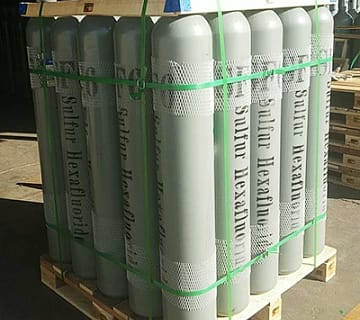
- 40 L standard SF₆ gas cylinders
- 50 L large-capacity SF₆ cylinders
- Y-type cylinders in larger capacity ranges
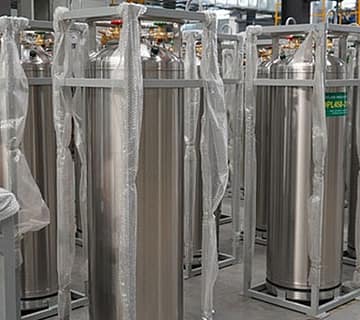
- SF₆ gas drums
- Jumbo cylinders for bulk industrial requirements
- Specialized ISO tank containers for suitable large-scale projects
The availability and specifications of each packaging format depend on the supplier, container design, filling requirements and destination-country regulations.
SF₆ Gas Cylinder and Packaging Comparison
| Packaging Type | Typical Configuration | Common Application |
|---|---|---|
| Standard SF₆ Cylinder | 40 L water capacity | General industrial and electrical applications |
| Large SF₆ Cylinder | 50 L water capacity | Higher gas quantity per container |
| Y-Type Cylinder | Indicative 80–232 L capacity range | Larger-volume supply and bulk procurement |
| SF₆ Gas Drum | Indicative 150–1,000 L or customized capacity | Bulk storage and industrial supply |
| Jumbo Cylinder | Customized large-capacity configuration | Large-volume industrial requirements |
| ISO Tank Container | Project-specific configuration | Specialized large-scale transportation |
Note: The capacities above are indicative packaging configurations, not universally available standard sizes. Water capacity and actual SF₆ filling quantity are different measurements. Buyers should confirm the approved filling mass, working pressure, container specifications and transportation approvals before ordering.
2. Standard SF₆ Gas Cylinder Sizes: 40 L and 50 L
Standard high-pressure cylinders are widely used for SF₆ gas supply because they provide practical packaging for storage, distribution and handling in industrial and electrical applications.
Two commonly requested configurations are 40 L and 50 L water-capacity cylinders.
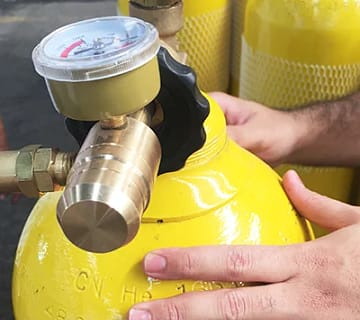
40 L SF₆ Gas Cylinder
A 40 L SF₆ cylinder is a common packaging option for industrial gas supply. It can be used by electrical equipment manufacturers, maintenance contractors and industrial customers requiring SF₆ for equipment filling, servicing and maintenance.
Important specifications to consider include:
- Cylinder water capacity and approved filling ratio
- Working pressure and test pressure
- Cylinder material and manufacturing standard
- Valve connection and compatibility
- Hydrostatic test and inspection status
- Applicable certification and transportation approval
50 L SF₆ Gas Cylinder
A 50 L cylinder provides a larger internal water capacity than a 40 L cylinder. It may be suitable for buyers who require a higher gas quantity per container and have compatible filling, storage and handling facilities.
However, a larger cylinder does not automatically mean a proportionally larger permissible SF₆ filling quantity. The actual filling mass depends on the cylinder’s approved design, filling density, pressure and temperature conditions.
For other industrial gas cylinder configurations and specifications, see our industrial gas cylinders.
3. Y-Type SF₆ Cylinders for Larger Gas Quantities
Y-type cylinders are larger gas containers used for certain bulk industrial gas supply applications. Depending on the manufacturer’s available specifications, configurations may fall within an indicative 80–232 L water-capacity range.
Compared with conventional 40 L and 50 L cylinders, larger-capacity containers can reduce the number of individual packages required for bulk orders.
Before selecting a Y-type SF₆ cylinder, buyers should confirm:
- Actual water capacity and cylinder dimensions
- Maximum allowable SF₆ filling mass
- Design pressure and test pressure
- Valve and connection specifications
- Applicable cylinder standards and certification
- Loading, unloading and transportation arrangements
The term Y-type should be checked against the supplier’s actual product design and technical documentation because configurations and naming conventions can vary between suppliers and markets.
4. SF₆ Gas Drums for Bulk Industrial Supply
SF₆ gas drums are used for larger-volume gas storage and supply requirements. Depending on the container design and approved application, drums may offer substantially greater capacity than standard high-pressure cylinders.
Some suppliers offer large gas-container configurations with indicative water capacities from approximately 150 L to 1,000 L or more. These should not be treated as universal standard sizes; actual availability depends on the manufacturer and applicable approvals.
Potential applications include:
- Large electrical equipment manufacturing facilities
- Industrial gas distribution
- Bulk SF₆ gas procurement
- Projects requiring centralized gas storage and handling
When evaluating an SF₆ gas drum, buyers should check the following technical specifications:
- Container design pressure and test pressure
- Permitted SF₆ filling mass
- Container material and construction
- Valve arrangement and gas connections
- Lifting points and handling requirements
- Inspection certificates and transport documentation
The gas drum must be specifically designed and approved for the intended SF₆ service. A general-purpose pressure vessel should not be assumed to be suitable for SF₆ storage or transportation.
5. Jumbo Cylinders and ISO Tank Containers
For projects with substantial SF₆ requirements, buyers may consider specialized bulk packaging beyond conventional cylinders. Jumbo cylinders and ISO tank containers may be evaluated according to the actual gas quantity, handling facilities and transportation arrangements.
Jumbo SF₆ Cylinders
Jumbo cylinders are large-capacity gas containers intended for specific bulk supply applications. Their dimensions, pressure ratings, filling limits and connections depend on the actual container design.
They may be considered where customers require fewer individual containers and have suitable lifting, storage and gas-transfer facilities.
SF₆ ISO Tank Containers
ISO tank containers can be considered for specialized large-scale gas transportation projects, but their suitability for SF₆ must be established before ordering.
Buyers should confirm:
- Whether the tank is specifically designed for SF₆ service
- Applicable pressure-vessel and transport approvals
- Maximum permitted filling quantity
- Filling, discharge and connection arrangements
- Route and destination-country requirements
- Availability of suitable filling and receiving facilities
An ordinary ISO tank container is not automatically suitable for SF₆. The container design, gas compatibility and relevant approvals must match the operating conditions and intended transportation mode.
For more information about industrial gas transportation equipment and logistics, visit our Gas Transport technical center.
6. SF₆ Cylinder Capacity vs. Gas Filling Quantity
One of the most important considerations when comparing SF₆ cylinder sizes is understanding the difference between water capacity and actual gas filling quantity.
Water Capacity vs. SF₆ Filling Quantity
Water capacity is the internal volume of a cylinder, usually expressed in litres (L). It is commonly used to identify and describe cylinder size.
SF₆ filling quantity is the actual mass of gas contained in the cylinder, usually expressed in kilograms (kg).
These two measurements are not interchangeable.
For example, a 40 L cylinder does not contain 40 L of SF₆ gas at atmospheric pressure. SF₆ is stored in a pressure-rated container, and its permissible filling mass depends on the cylinder design, approved filling density and applicable filling requirements.
The actual gas quantity should be confirmed from the cylinder specification, filling record and product documentation.
Key Factors Affecting SF₆ Filling Quantity
- Cylinder water capacity
- Approved filling ratio or filling density
- Maximum allowable working pressure
- Ambient and filling temperature
- Cylinder design and applicable standards
- Gas properties and filling procedures
When requesting a quotation, buyers should specify whether they are comparing cylinder water capacity, the number of cylinders or the required net SF₆ gas quantity.
For a broader explanation of cylinder capacity, pressure ratings and specifications, see our Gas Cylinders Guide.
Looking for a Reliable SF₆ Gas Supply Solution?
Contact our team to discuss your required gas purity, quantity, packaging configuration, and destination.
7. How to Choose the Right SF₆ Gas Packaging
The best SF₆ packaging format depends on the customer’s purchasing volume, application, storage facilities and transportation arrangements. Buyers should evaluate the following factors before selecting a cylinder or bulk container.
| Selection Factor | What Buyers Should Consider |
|---|---|
| Required Gas Quantity | Total SF₆ mass required per order, expressed in kg or tonnes |
| Cylinder Size | 40 L, 50 L or other approved larger-capacity configurations |
| Application | Equipment filling, maintenance or industrial distribution |
| Handling Facilities | Available lifting and gas-transfer equipment |
| Storage Conditions | Suitable storage area and pressure-container requirements |
| Transportation | Road, sea or other approved transport arrangements |
| Documentation | Container certificates, inspection records and gas quality documents |
For smaller orders and routine maintenance, standard cylinders may be practical. For larger requirements, buyers can compare larger cylinders or approved gas drums to determine the most suitable supply arrangement.
The selection should be based on actual gas quantity, container specifications and handling requirements rather than container volume alone.
8. SF₆ Cylinder Quality, Inspection and Documentation
SF₆ cylinders and bulk containers must be suitable for the gas and the intended service conditions. Buyers should request relevant technical documents before confirming an order.
Important documents and checks may include:
- Cylinder or container technical specifications
- Design and hydrostatic test documentation
- Applicable manufacturing and transportation approvals
- Valve and connection details
- Cylinder inspection and test status
- SF₆ Certificate of Analysis (COA)
- Safety Data Sheet (SDS)
- Relevant shipping and dangerous-goods documentation
The required documents vary according to packaging type, transport mode and destination market. Buyers should also verify that the cylinder or container is approved for the intended transportation route.
A certificate or approval applicable in one country does not necessarily establish acceptance in another country. Importers should confirm the relevant requirements with the destination-country authorities and applicable inspection bodies.
9. SF₆ Gas Transportation and Safe Handling
SF₆ is a non-flammable gas, but it is stored under pressure and requires appropriate handling procedures. High concentrations can displace oxygen and create an asphyxiation hazard. Electrical discharge or high-temperature decomposition can also produce hazardous by-products.
Important storage and handling precautions include:
- Store cylinders in a secure, suitable and well-ventilated location.
- Protect cylinders from excessive heat and physical damage.
- Keep valves protected and use compatible connections.
- Secure cylinders properly during transportation.
- Follow applicable dangerous-goods transportation regulations.
- Use appropriate gas-handling equipment and trained personnel.
- Check for leaks and follow site-specific emergency procedures.
SF₆ is also a very high global-warming-potential greenhouse gas. Users should prevent unnecessary releases and follow applicable requirements for gas recovery, recycling and disposal.
Transportation requirements may differ between road and sea freight and according to the destination country. Buyers should confirm the correct classification, packaging, labeling and shipping documentation before dispatch.
For additional information about gas transportation methods, equipment and regulatory requirements, see our industrial gas transportation resources.
10. How to Request an SF₆ Gas Cylinder Quotation
To help DSW evaluate suitable SF₆ gas packaging and supply arrangements, buyers should provide the following information when requesting a quotation:
- Gas purity: Required SF₆ purity, such as 99.9%, 99.99% or 99.999%, subject to availability.
- Total quantity: Required net gas mass in kilograms or metric tonnes.
- Packaging preference: 40 L cylinders, 50 L cylinders, Y-type cylinders, gas drums or other approved containers.
- Cylinder requirements: Required water capacity, working pressure, valve connection and applicable standards.
- Destination: Delivery country, destination port or final delivery location.
- Documentation: Required COA, SDS, cylinder certificates and shipping documents.
Providing these details helps suppliers evaluate packaging compatibility, filling arrangements and transportation requirements more accurately.
For available SF₆ products and supply specifications, see our SF₆ gas product page.
Conclusion
Selecting the right SF₆ gas cylinder or packaging format involves more than comparing container sizes. Buyers should consider the actual gas filling quantity, cylinder design, pressure rating, applicable approvals, handling facilities and transportation requirements.
Standard 40 L and 50 L cylinders are common options for industrial supply, while Y-type cylinders, gas drums and specialized bulk containers may be considered for larger procurement requirements.
DSW supports international customers with SF₆ gas supply, cylinder and packaging options, technical coordination and export documentation.
TECHNICAL QUESTIONS
About SF₆ Gas Cylinders and Packaging
Commonly requested cylinder sizes include 40 L and 50 L water-capacity cylinders. Larger configurations, including Y-type cylinders, may also be available depending on supplier specifications and applicable approvals.
An SF₆ gas drum is a larger gas container designed for bulk storage and supply. Its capacity, pressure rating, filling quantity and transportation approvals must be verified for the intended application.
Larger Y-type cylinder configurations may be available for certain SF₆ supply requirements. Buyers should confirm the actual design, water capacity, filling limits and relevant approvals with the supplier.
Specialized ISO tank containers may be considered for suitable large-scale projects. However, the tank must be specifically designed and approved for SF₆ service and the intended transportation conditions.
No. Cylinder capacity usually refers to water capacity, which measures the internal volume of the container. The actual SF₆ filling quantity is a separate measurement, generally expressed in kilograms.
Common documents include a Certificate of Analysis (COA), Safety Data Sheet (SDS), cylinder or container specifications, relevant inspection certificates and applicable transportation documentation. Exact requirements depend on the packaging and destination.



No comment