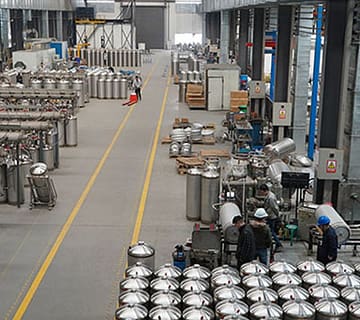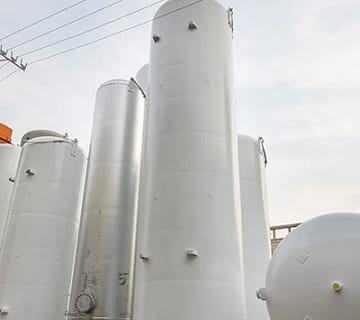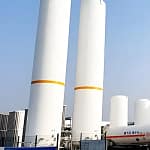
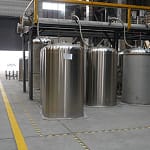
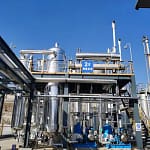
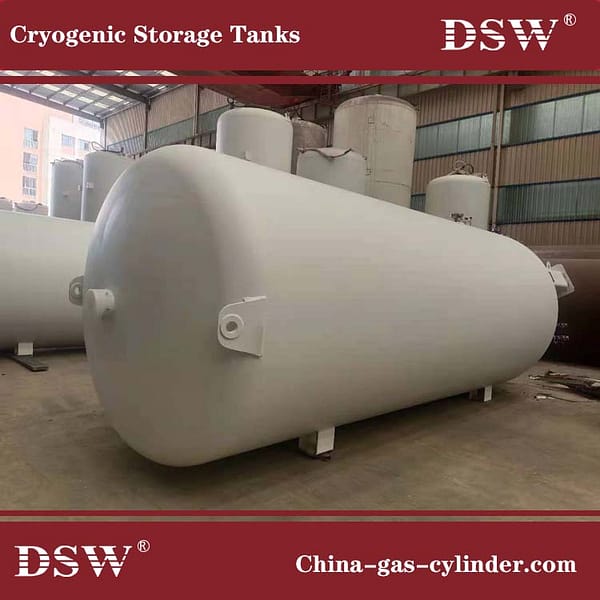
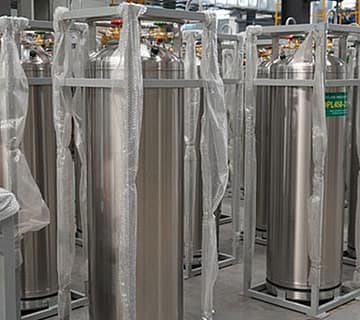
Cryogenic gases, such as oxygen, nitrogen, and LNG, are essential in various industries. This category explores storage techniques, safety protocols, and innovative solutions for handling these gases at ultra-low temperatures. Stay updated on the latest technologies and best practices in cryogenic gas management for industrial, medical, and energy applications.

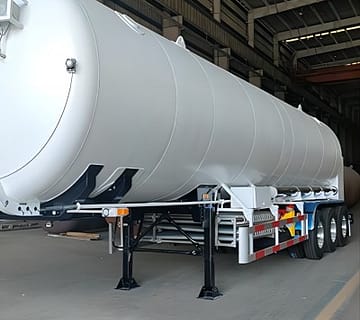
A cryo semitrailer is specifically designed for the transportation of cryogenic gases

Optimizing Gas Transportation: Tank Containers, Trailers

Explore the essential methods and technologies in gas transportation, focusing on the use of tank containers, trailers. This article delves into the various gases transported, the innovations in transport solutions, and the critical safety measures required to ensure efficient and secure gas distribution across multiple industries. ... Read More
International safety standards play a crucial role in ensuring uniformity, reliability, and safety across various industries and sectors worldwide

International Gas Transport Safety Standards Explained (IMDG, ADR, DOT, TPED, ISO & ASME Guide 2026)

This guide provides an in-depth explanation of various international standards that ensure the safe transport of gas and hazardous materials. Covering regulations from the CSC, IMDG, DOT, RID, ADR, TPED, LR, ASME, TC, IATA DGR, and ISO, this resource helps organizations comply with global safety, quality, and regulatory requirements for gas transport across multiple modes of transportation. ... Read More
Evaporation rate of cryogenic liquid

Evaporation rate of a cryogenic liquid

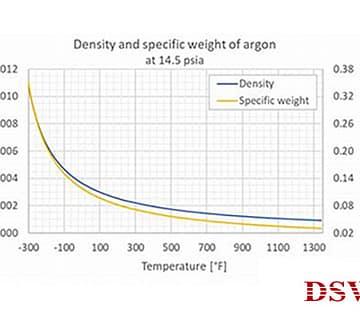
The evaporation rate of a cryogenic liquid, such as liquid oxygen, liquid nitrogen, liquid argon, liquid carbon dioxide or liquefied natural gas (LNG), can vary depending on several factors, including the specific cryogenic liquid, the storage tank design, insulation efficiency, and environmental conditions ... Read More