


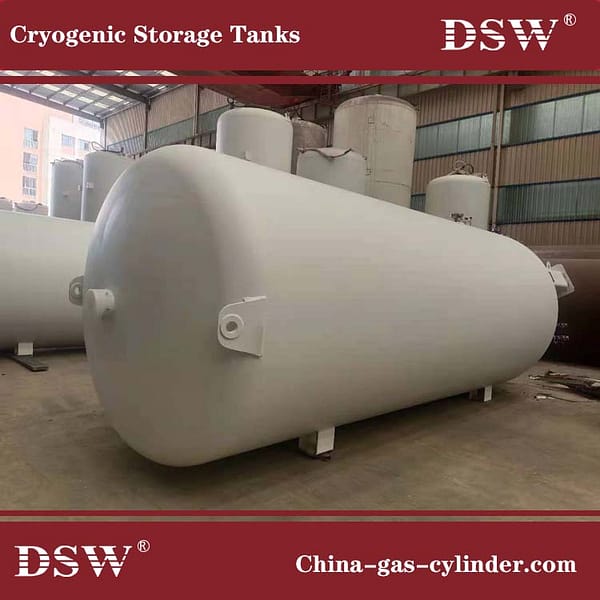

DSW provides LNG transport solutions for the safe and efficient movement of liquefied natural gas by road and intermodal transportation. LNG transport equipment can include vacuum-insulated LNG tanker semi-trailers, LNG ISO tank containers, cryogenic transfer equipment, pressure-control equipment, valves, piping, instrumentation, and other components required for loading, transportation, and unloading.
LNG transportation connects LNG terminals, storage facilities, industrial plants, fueling stations, satellite LNG facilities, power-generation facilities, and other end users that may not be directly connected to a natural gas pipeline.
The appropriate LNG transport configuration depends on the required LNG volume, transportation distance, route conditions, transport mode, loading and unloading method, operating pressure, destination regulations, and receiving-facility requirements.
DSW can configure LNG transport equipment according to project requirements, including tank capacity, working pressure, vacuum insulation, transfer equipment, chassis configuration, valves, instrumentation, and applicable design and transportation requirements.
What Are LNG Transport Solutions?
LNG transport solutions are the equipment and systems used to move liquefied natural gas from an LNG production, terminal, or storage facility to another storage facility, industrial site, fueling station, power-generation facility, or other point of use.
Because LNG is stored as a cryogenic liquid at approximately -162°C at atmospheric pressure, transportation equipment must control heat transfer and tank pressure while maintaining suitable conditions for the LNG during the transportation cycle.
Vacuum-insulated, double-wall cryogenic tanks are commonly used for LNG transportation. The insulation system reduces heat transfer from the surrounding environment and helps limit LNG evaporation and pressure increase during transportation.
LNG can be transported using dedicated road tankers or semi-trailers, while LNG ISO tank containers provide an intermodal option for projects involving road, rail, and marine transportation where permitted by applicable regulations and infrastructure.
LNG Transportation Methods
The appropriate LNG transportation method depends on the quantity of LNG, transportation distance, route, delivery frequency, available infrastructure, transport mode, and receiving-site requirements.
LNG Road Transportation
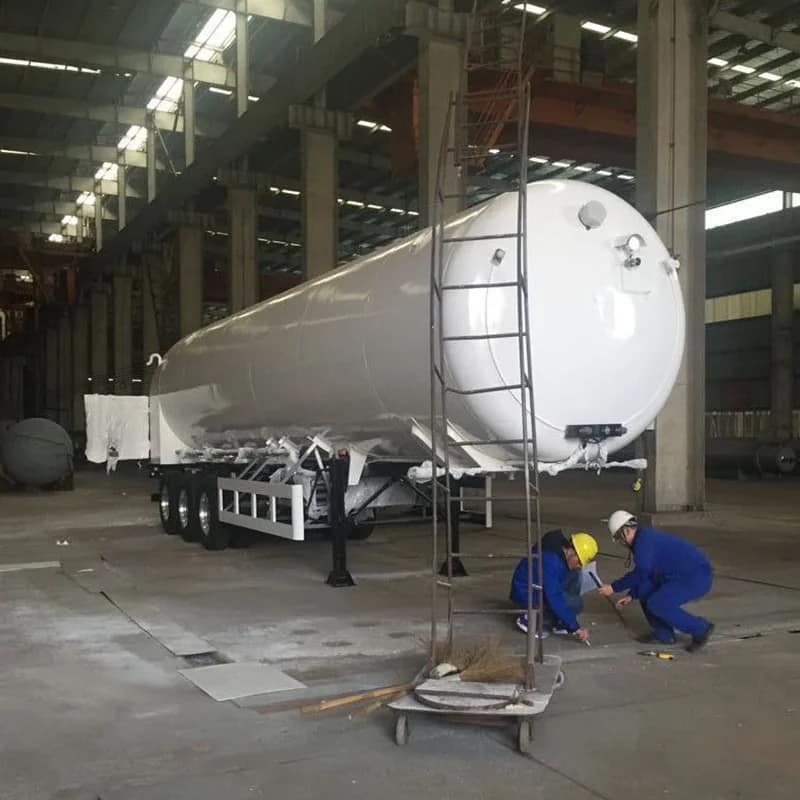
LNG road transportation uses cryogenic tanker trucks or semi-trailers to deliver LNG from an LNG terminal, production facility, or storage facility to a receiving facility.
Road transportation is widely used for industrial LNG supply, LNG fueling stations, satellite LNG facilities, power-generation projects, and other locations where pipeline natural gas is unavailable or additional gas supply flexibility is required.
A typical LNG road tanker combines a vacuum-insulated cryogenic tank, trailer chassis, piping, valves, safety devices, instrumentation, and loading and unloading connections.
LNG ISO Tank Transportation
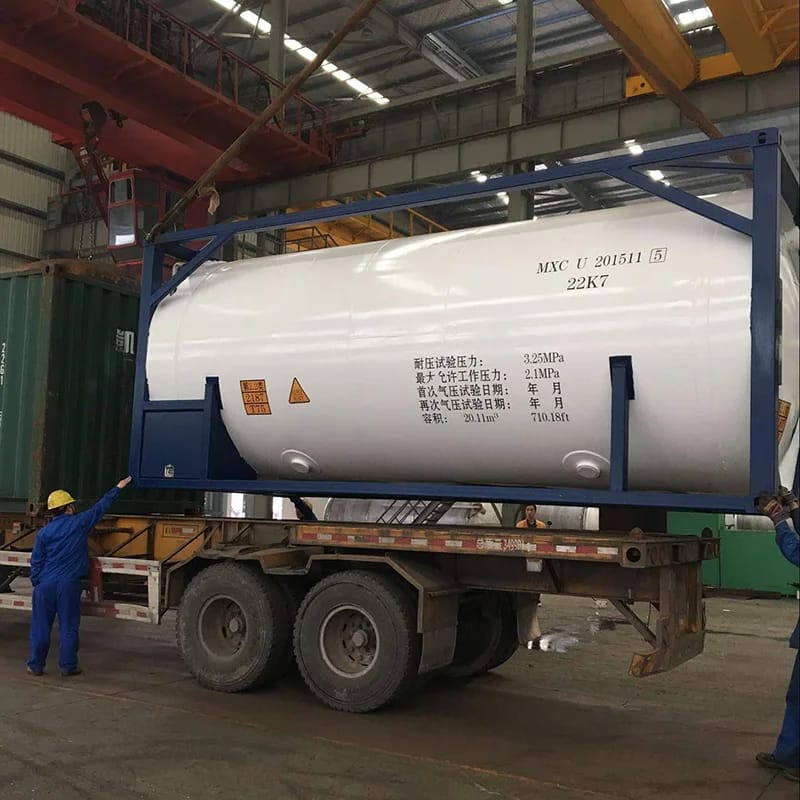
LNG ISO tank containers provide a containerized approach to LNG transportation. The cryogenic tank is mounted within a standardized container frame so the unit can be handled using suitable container logistics equipment.
Depending on applicable regulations and infrastructure, ISO tank containers can support transportation by road, rail, and marine routes without transferring the LNG into a different transport tank between modes.
This configuration can be useful when LNG needs to move through international or multimodal logistics networks.
Multimodal LNG Transportation
Some LNG distribution projects involve more than one transport mode. For example, LNG may move by road from a storage facility to a rail terminal or port and then continue through another transportation mode.
In these applications, the transport equipment must be compatible with the complete logistics chain rather than being selected only for the first or final transportation leg.
LNG ISO tank containers can be considered for multimodal projects because the tank remains within an intermodal frame during transportation and handling, subject to the requirements of the applicable transport modes and jurisdictions.
LNG Transport Equipment
A complete LNG transportation system includes more than the cryogenic transport tank. Equipment should be selected according to the LNG delivery process, transportation route, transfer method, operating conditions, and receiving facility.
LNG Tanker Semi-Trailers
LNG tanker semi-trailers are vacuum-insulated cryogenic trailers designed for bulk transportation of liquefied natural gas (LNG) by road. The semi-trailer includes the cryogenic LNG tank, trailer chassis, piping, valves, pressure-relief devices, instrumentation, and loading and unloading connections, while the tractor unit is supplied separately.
This configuration is suitable for transport operators and LNG distributors that already have compatible tractor units or operate their own tractor fleet. Tank capacity, working pressure, axle configuration, insulation system, chassis specifications, and cryogenic equipment are selected according to the transportation route, applicable regulations, and loading and unloading requirements.
LNG Tanker Trucks
LNG tanker trucks are complete road vehicles designed for the transportation and delivery of liquefied natural gas. Unlike an LNG tanker semi-trailer, an LNG tanker truck combines the truck chassis and cab with a vacuum-insulated LNG storage tank and the associated cryogenic piping, valves, safety devices, instrumentation, and transfer connections.
This configuration is intended for customers that require a complete LNG transport vehicle rather than a separate semi-trailer. The truck chassis, tank capacity, axle configuration, working pressure, insulation system, and transfer equipment should be selected according to the intended route, payload requirements, local vehicle regulations, and LNG loading and unloading facilities.
Explore DSW Cryogenic Transport Trailers
LNG ISO Tank Containers
LNG ISO tank containers provide a containerized solution for transporting LNG through multimodal logistics networks.
The tank is mounted inside a standardized container frame, allowing the unit to be handled by suitable container-handling equipment and transported through road, rail, and marine logistics where permitted.
LNG ISO tank containers can be considered for international LNG distribution, multimodal transportation, temporary storage applications, and projects where transportation flexibility is important.
LNG Transfer Equipment
LNG loading and unloading require suitable cryogenic piping, valves, hoses, pressure-control equipment, and instrumentation.
Depending on the tank and receiving-system design, LNG transfer may use a cryogenic pump, pressure-building system, or another approved transfer arrangement.
Transfer equipment should be matched to the tank design, operating pressure, required flow rate, connection type, transfer distance, and site configuration.
How LNG Transportation Works
A typical LNG transportation cycle consists of several stages:
- LNG loading: LNG is transferred from an LNG terminal, production facility, or storage tank into the transport tank.
- Transport preparation: The transport equipment is checked and prepared according to the applicable operating procedures.
- Transportation: The vacuum-insulated tank limits heat transfer while LNG is transported to the receiving facility.
- Pressure management: Tank pressure and other operating parameters are monitored during transportation and delivery.
- Site connection: The transport tank is connected to the receiving facility using suitable cryogenic transfer equipment.
- LNG unloading: LNG is transferred into the receiving storage tank or downstream system according to the facility design.
- Trailer preparation: After unloading, the transport equipment is prepared for its next loading cycle according to the applicable procedures.
The complete LNG logistics chain can therefore be understood as:
LNG Production or Terminal → LNG Storage → Loading → LNG Transport → Receiving Facility → Unloading → Storage or End Use
Vacuum Insulation for LNG Transportation
Thermal insulation is one of the most important features of LNG transport equipment. Because LNG is maintained at cryogenic temperature, heat entering the tank can increase LNG evaporation and tank pressure.
Vacuum-insulated tanks generally use an inner vessel, an insulation system, and an outer vessel to reduce heat transfer from the surrounding environment.
A high-quality insulation system helps maintain suitable LNG holding conditions and can reduce product losses associated with heat ingress during transportation.
The required insulation configuration depends on the tank design, operating conditions, expected transportation and holding time, and applicable design requirements.
For LNG transportation, insulation performance should therefore be considered together with tank pressure, transportation duration, route conditions, and the complete loading and unloading cycle.
LNG Transport Safety
LNG transportation requires equipment and operating procedures designed for cryogenic temperatures, pressurized systems, and the flammable characteristics of natural gas.
Important considerations include:
- Cryogenic containment: Suitable tank materials, construction, and design for LNG service.
- Thermal insulation: Effective insulation to limit heat transfer and control LNG evaporation.
- Pressure protection: Pressure-relief and pressure-control systems appropriate for the tank and operating conditions.
- Emergency isolation: Emergency shut-off and isolation valves where required by the system design.
- Cryogenic transfer: Suitable piping, hoses, valves, and connections for LNG loading and unloading.
- Instrumentation: Reliable monitoring of pressure and other required operating parameters.
- Loading and unloading procedures: Procedures appropriate to the transport equipment and receiving facility.
- Vehicle requirements: Appropriate chassis, axle, braking, and road-transport configuration.
- Inspection and testing: Inspection, maintenance, and periodic testing according to applicable requirements.
- Regulatory compliance: Compliance with the transportation, pressure-vessel, vehicle, and certification requirements applicable to the project.
The specific design standards and regulatory requirements depend on the destination country, transportation mode, tank type, vehicle configuration, and intended application. These requirements should be confirmed for the specific project before equipment is manufactured or placed into service.
Request a LNG Transport Solution
Tell us your LNG capacity, transport distance, pressure, application, and destination. DSW can configure the right LNG transport equipment for your project.
LNG Tanker Truck vs. LNG Tanker Semi-Trailer vs. LNG ISO Tank Container
LNG tanker trucks, LNG tanker semi-trailers, and LNG ISO tank containers are three different equipment configurations used to transport liquefied natural gas. The main differences are the vehicle configuration, whether the tractor or truck chassis is included, and how the equipment is integrated into the LNG logistics chain.
An LNG tanker truck is a complete road vehicle that combines the truck chassis and cab with a vacuum-insulated LNG tank. An LNG tanker semi-trailer is a separate tank trailer that requires a compatible tractor unit. An LNG ISO tank container is a tank built into an ISO container frame for containerized and multimodal transportation.
| Feature | LNG Tanker Truck | LNG Tanker Semi-Trailer | LNG ISO Tank Container |
|---|---|---|---|
| Product Configuration | Complete tanker vehicle | Tank semi-trailer | ISO tank container |
| Truck Chassis / Tractor | Included | Not included; supplied separately | Not included |
| Driver Cab | Included | Not included | Not included |
| LNG Tank | Integrated with truck chassis | Mounted on semi-trailer chassis | Mounted within ISO container frame |
| Road Transportation | Yes | Yes, with a compatible tractor | Yes, with suitable container chassis |
| Rail Transportation | Not normally the primary configuration | Not normally the primary configuration | Suitable where permitted by applicable requirements |
| Marine / Intermodal Handling | Not the primary design objective | Not the primary design objective | Designed for container-based intermodal logistics |
| Handling Equipment | Road tanker equipment | Road tanker and trailer equipment | Container-handling equipment |
| Typical Application | Direct LNG delivery by complete tanker vehicle | Regular bulk LNG delivery using a tractor fleet | Multimodal and containerized LNG transportation |
| Typical Purchasing Requirement | Customer needs a complete LNG transport vehicle | Customer already has or separately sources compatible tractor units | Customer needs a containerized LNG transport unit |
These configurations serve different transportation and purchasing requirements. The appropriate option depends on whether the customer needs a complete vehicle or a separate trailer, the available tractor fleet, transportation distance and route, required LNG capacity, delivery frequency, loading and unloading infrastructure, intermodal requirements, applicable vehicle and pressure-vessel regulations, and the receiving site’s equipment.
LNG Transport Applications
LNG transportation equipment can support different LNG distribution and energy applications.
- LNG fueling stations: Deliver LNG from terminals or distribution facilities to vehicle fueling stations.
- Industrial LNG supply: Supply LNG to factories and industrial facilities where pipeline natural gas is unavailable or additional supply flexibility is required.
- Satellite LNG facilities: Deliver LNG to remote storage and vaporization facilities outside the conventional gas pipeline network.
- Power generation: Transport LNG to power-generation facilities requiring a flexible natural gas supply.
- Remote energy supply: Deliver LNG to locations where pipeline construction may be impractical.
- Multimodal LNG logistics: Use ISO tank containers for projects involving road, rail, and marine transportation where permitted.
The transport configuration should be selected according to the complete supply chain rather than only the final application.
How to Select LNG Transport Equipment
The first decision is whether the project requires a complete LNG tanker vehicle, a separate tank semi-trailer, or a containerized LNG transport unit. The transportation route, available vehicle fleet, capacity, delivery frequency, loading and unloading facilities, and applicable regulations then determine the appropriate configuration.
Important parameters include:
- LNG capacity: Determine the required volume per delivery and delivery frequency.
- Transportation distance: Consider route length, transportation time, and expected holding period.
- Transport mode: Determine whether the LNG will be transported by road only or through a multimodal logistics network.
- Operating pressure: Select the appropriate tank and pressure-control configuration.
- Transfer method: Determine whether unloading will use a cryogenic pump, pressure transfer, or another approved configuration.
- Chassis and vehicle requirements: Match the tank and trailer configuration with local vehicle and road requirements.
- Destination market: Consider the standards, certification, inspection, and transportation requirements applicable in the destination country.
- Loading and unloading infrastructure: Confirm that tank connections and transfer equipment match the loading and receiving facilities.
Which LNG Transport Configuration Should Be Considered?
| Project Requirement | Configuration Typically Considered | Key Consideration |
|---|---|---|
| Customer Needs a Complete LNG Transport Vehicle | LNG Tanker Truck | Truck chassis, cab, and LNG tank are supplied as one complete vehicle. |
| Customer Already Has Compatible Tractor Units | LNG Tanker Semi-Trailer | Only the LNG tank semi-trailer is supplied; the tractor is provided separately. |
| Regular Bulk LNG Delivery on Dedicated Road Routes | LNG Tanker Truck or LNG Tanker Semi-Trailer | The choice depends mainly on the customer’s vehicle fleet and purchasing model. |
| Road, Rail, and Marine Logistics | LNG ISO Tank Container | Containerized equipment is considered where multimodal transportation and handling are required. |
| International Multimodal LNG Distribution | LNG ISO Tank Container | ISO dimensions and applicable container, transport, and pressure-vessel requirements should be considered. |
| Remote LNG Satellite Facility | LNG Tanker Truck, LNG Tanker Semi-Trailer, or LNG ISO Tank Container | The appropriate configuration depends on road access, receiving facilities, available tractor units, transfer equipment, and the overall logistics chain. |
| Frequent Bulk LNG Delivery to a Fixed Receiving Facility | LNG Tanker Truck or LNG Tanker Semi-Trailer | Vehicle configuration, delivery frequency, route requirements, unloading method, and available fleet should be evaluated together. |
These are general configuration considerations rather than universal rules. The final equipment selection should be based on the actual route, capacity, operating conditions, infrastructure, and regulatory requirements.
What Information Is Needed for an LNG Transport Trailer?
Before requesting an LNG transport trailer quotation, it is useful to provide the manufacturer with the basic operating and transportation requirements.
Important information may include:
- LNG capacity: Required tank volume or LNG quantity per delivery.
- Delivery frequency: Expected number of transportation cycles or deliveries.
- Transportation distance: Approximate route distance and expected transportation time.
- Loading facility: LNG source, loading connection, and available loading infrastructure.
- Receiving facility: Storage tank, fueling station, industrial facility, or other destination.
- Unloading method: Pump-assisted transfer, pressure transfer, or another specified arrangement.
- Operating pressure: Required working pressure and other applicable tank design parameters.
- Destination country: Country and transportation jurisdiction where the equipment will operate.
- Required certification: Applicable tank, vehicle, pressure-vessel, and transportation certification requirements.
- Chassis requirements: Vehicle type, axle configuration, road restrictions, and other local requirements.
- Transfer requirements: Required flow rate, hose connections, piping arrangement, and site interface.
Providing these details at the quotation stage can help the manufacturer evaluate the complete transportation system rather than selecting the tank independently from the loading, transportation, and unloading requirements.
DSW LNG Transport Solutions
DSW provides cryogenic transportation equipment for LNG and other liquefied gases.
For LNG transportation projects, equipment can be configured according to required capacity, operating pressure, insulation requirements, transportation method, transfer system, chassis requirements, and destination-market requirements.
Depending on the project, a transport configuration may include:
- Vacuum-insulated cryogenic tanks
- Heavy-duty trailer chassis
- Cryogenic piping
- Cryogenic valves
- Pressure-relief and pressure-control components
- Cryogenic transfer hoses
- Cryogenic pumps
- Pressure-building vaporizers
- Filters
- Instrumentation and monitoring equipment
The engineering approach is to match the transport equipment with the complete LNG logistics process rather than selecting the tank independently from the loading, transportation, and unloading requirements.
Request an LNG Transport Solution
If you are planning an LNG transportation, distribution, fueling, or industrial gas supply project, send DSW the basic project requirements.
Useful information includes:
- LNG type and required capacity
- Required tank volume
- Transportation distance and route
- Operating pressure
- Loading and unloading method
- Loading and receiving facility information
- Application and destination
- Required transportation standard or certification
- Chassis or vehicle requirements
- Required transfer equipment and connections
Contact DSW for an LNG transport configuration tailored to your project requirements.
TECHNICAL FAQs
About LNG Transport Solutions
LNG is commonly transported in vacuum-insulated cryogenic tanks, including tanker trailers, semi-trailers, and ISO tank containers.
Typical equipment includes LNG transport trailers, cryogenic tanks, ISO tank containers, transfer hoses, valves, pressure-control equipment, and instrumentation.
LNG transport trailers are primarily designed for road transportation, while ISO tank containers are designed for intermodal transportation using road, rail, and marine logistics where permitted.
LNG transport tanks use cryogenic insulation, typically double-wall vacuum-insulated construction, to minimize heat transfer and LNG evaporation.
Key factors include tank capacity, operating pressure, transportation distance, loading and unloading method, vehicle requirements, applicable standards, and destination-market regulations.
Yes. DSW can configure LNG transport equipment according to capacity, pressure, insulation, transfer requirements, transportation method, and applicable project standards.
Related Cryogenic Resources
Explore these resources for more detailed information about cryogenic equipment, system design, and storage technology
