

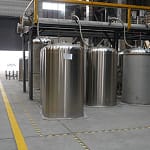
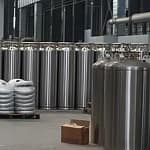

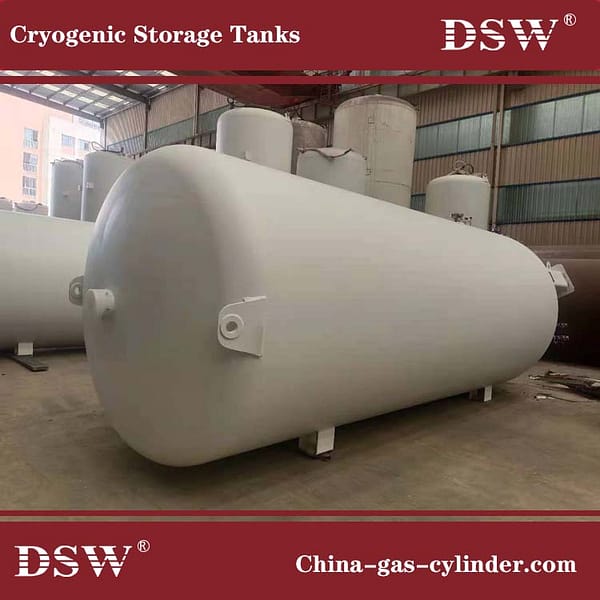
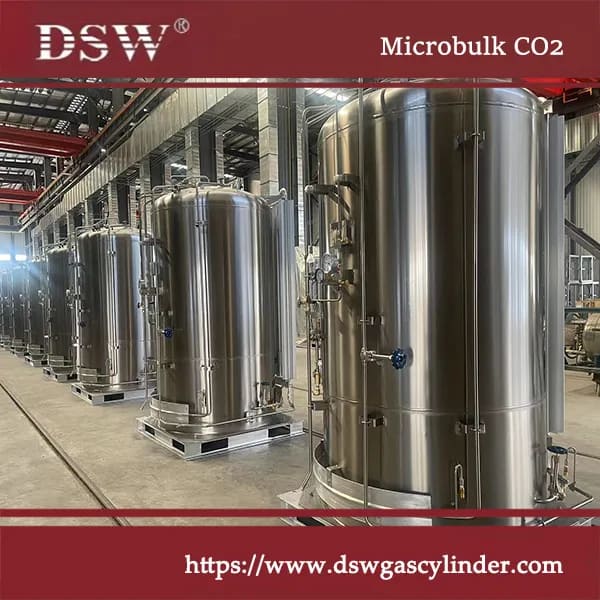


Liquid nitrogen dewars are cryogenic storage vessels designed to store liquid nitrogen (LN₂) at -196°C. They are used in laboratories, IVF clinics, biobanks, semiconductor manufacturing, and industrial gas systems. Choosing the correct dewar size affects holding time, evaporation loss, safety, and operating cost.
What Is a Liquid Nitrogen Dewar?
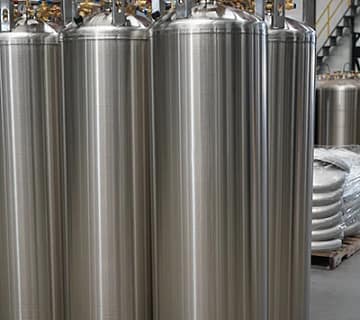
A liquid nitrogen dewar is a vacuum-insulated container designed for storing and transporting liquid nitrogen. It uses advanced thermal insulation to minimize heat transfer and maintain ultra-low temperatures.
- Stainless steel inner vessel
- Vacuum insulation layer
- Multi-layer reflective insulation (MLI)
- Cryogenic neck tube
- Safety pressure relief system
How Liquid Nitrogen Dewars Work
Vacuum Insulation
A vacuum layer between inner and outer walls reduces heat transfer and significantly improves holding time.
Multi-Layer Insulation (MLI)
Reflective layers reduce radiant heat transfer and reduce evaporation loss.
Pressure Control System
Self-pressurized dewars use vaporization systems for controlled liquid nitrogen dispensing.
Liquid Nitrogen Dewar Sizes Chart
| Capacity Range | Type | Application | Holding Time |
|---|---|---|---|
| 2–10 L | Portable Dewars | Veterinary, field sampling | 1–5 days |
| 20–50 L | Laboratory Dewars | Clinics, laboratories | 5–30 days |
| 100–210 L | Storage Dewars | IVF, research labs | 20–90 days |
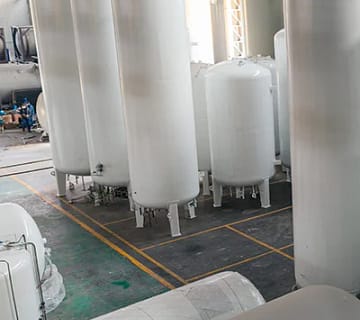
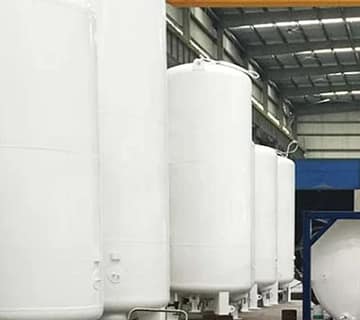
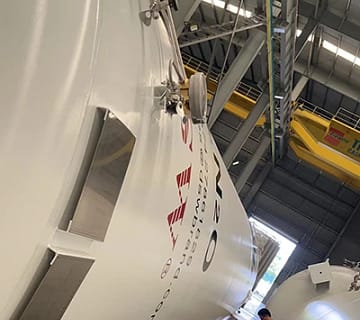
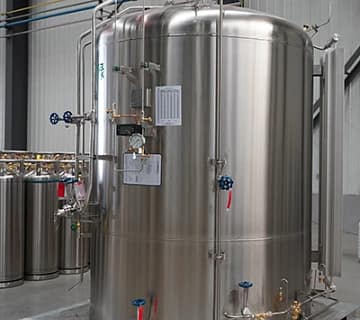
| 350–1800 L | Bulk Cryogenic Tanks | Biobanks, industrial gas systems | 60–180+ days |
How Long Does Liquid Nitrogen Last?
Holding time depends on size, insulation quality, ambient temperature, and usage frequency.
| Capacity | Holding Time |
|---|---|
| 10 L | 8–15 days |
| 30 L | 25–45 days |
| 50 L | 40–70 days |
| 180 L | 60–120 days |
LN₂ Capacity Formula
Required Capacity = Daily Usage × Storage Days
Example: 10 liters/day × 7 days = 70 liters required capacity.
Types of Liquid Nitrogen Dewars
1. Storage Dewars
Designed for long-term static storage, these dewars feature:
- Low evaporation rates
- High thermal efficiency
- Ideal for biological samples, embryos, and vaccines
Best for: Laboratories, IVF clinics, biobanks
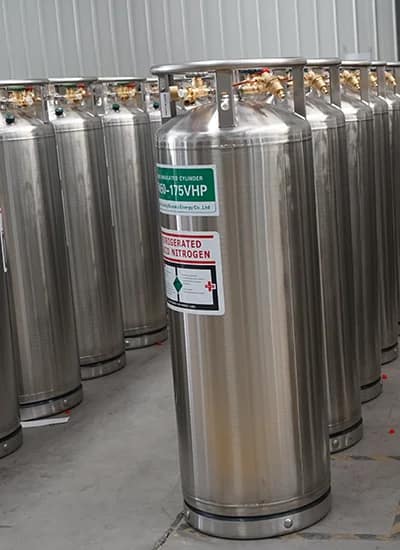
3. Self-Pressurized Dewars
Engineered for controlled liquid dispensing:
- Built-in vaporizer system
- Continuous liquid output
- Higher operational efficiency
Best for: Industrial processes, frequent LN₂ usage
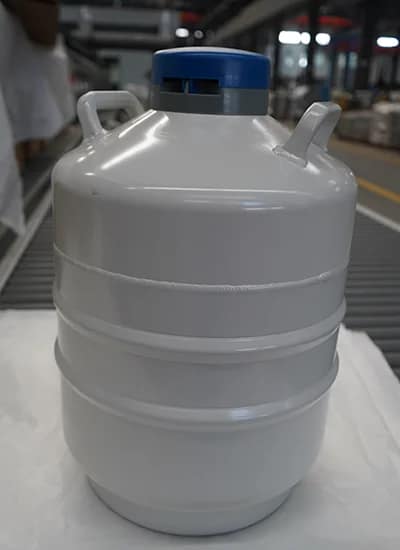
2. Transport Dewars
Built for mobility and durability:
- Reinforced structure
- Shock-resistant design
- Suitable for short-distance transport
Best for: Sample transport, field applications.
Vapor Phase vs Liquid Phase Storage
| Type | Temperature | Advantage | Application |
|---|---|---|---|
| Vapor Phase | -150°C to -190°C | Lower contamination risk | Biobanks, IVF |
| Liquid Phase | -196°C | Maximum cooling | General storage |
Liquid Nitrogen Dewar vs Cryogenic Tank
| Dewar | Cryogenic Tank |
|---|---|
| Portable or semi-portable | Fixed installation |
| Small to medium capacity | Large bulk storage |
| Lower pressure | Higher pressure systems |
| Lab & medical use | Industrial supply |
Applications
Liquid nitrogen dewars are widely used across medical, industrial, and research sectors for safe storage, transport, and application of ultra-low temperature cryogenic fluids.
1. Biomedical and Healthcare
- Cryopreservation of cells, tissues, embryos
- IVF and fertility clinics
- Vaccine storage and transport
2. Industrial Applications
- Semiconductor manufacturing cooling
- Cryogenic metal treatment
- LNG and gas processing support
3. Food Processing
- Rapid freezing (IQF technology)
- Preservation of texture and nutrients
4. Research and Laboratories
- Long-term biological storage
- Material testing at ultra-low temperatures
How to Choose the Right Liquid Nitrogen Dewar Size
1. Calculate Your Usage
Estimate:
- Daily liquid nitrogen consumption
- Required storage duration
Basic rule:
Required capacity = daily usage × storage days
2. Consider Holding Time
- Longer holding time = lower refill frequency
- Important for remote or critical applications
3. Evaluate Evaporation Rate
- Reduces operating costs
- Minimizes nitrogen loss
4. Check Neck Diameter
- Wider neck → easier access but higher evaporation
- Narrow neck → better insulation
5. Mobility Requirements
- Small dewars (2–50L) → portable
- Large dewars (100L+) → stationary
Common Mistakes
- Choosing oversized dewars unnecessarily
- Ignoring evaporation rate
- Using transport dewars for storage
- Poor ventilation planning
Safety Guidelines
- Never seal the container completely (risk of explosion)
- Always store in well-ventilated areas
- Secure during transport to prevent tipping
- Monitor for frost buildup, which may indicate vacuum failure
- Maintain minimum liquid levels to protect stored samples
Maintenance Best Practices
- Regularly inspect vacuum integrity
- Avoid mechanical shocks
- Keep neck opening clean and dry
- Monitor liquid levels consistently
TECHNICAL QUESTIONS
FAQs About Liquid Nitrogen Dewar Sizes
Depending on size and insulation, it can last from 1 day to over 180 days.
It depends on your daily consumption and required storage duration. Most labs use 30–210L, while large facilities require 350L+.
A dewar is typically smaller and portable, while cryogenic tanks are larger, often stationary, and used for bulk storage.
Vapor phase reduces contamination risk, making it ideal for sensitive biological samples.
Conclusion
Liquid nitrogen dewars are essential for safe and efficient cryogenic storage across medical, industrial, and research applications. With sizes ranging from 2L to 1800L, choosing the right dewar depends on usage volume, holding time, and application requirements.
As cryogenic technology advances, modern dewars are becoming more efficient, safer, and increasingly equipped with smart monitoring systems—making them a critical asset in precision-driven industries.

No comment