




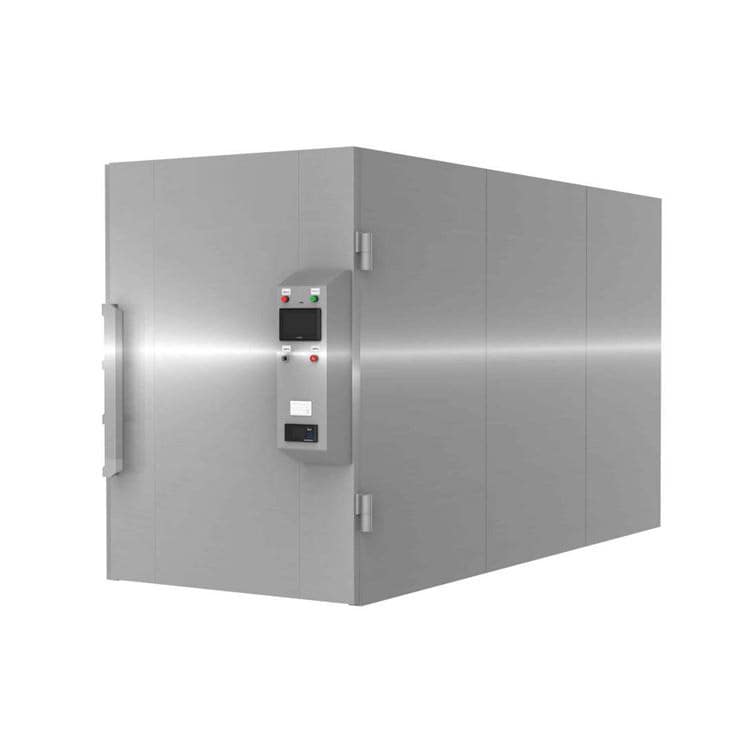
Ethylene Oxide (EtO) sterilization is a globally recognized low-temperature sterilization method used for medical devices, pharmaceuticals, and heat-sensitive materials. Its ability to penetrate complex geometries and sealed packaging makes it essential in modern healthcare manufacturing.
This guide provides a technical overview of the EtO sterilization process, key parameters, equipment systems, and safety requirements based on current industrial practices and international standards.
What Is Ethylene Oxide Sterilization?
Ethylene oxide is a highly reactive gas that sterilizes by disrupting microbial DNA and proteins.
It is effective against bacteria, viruses, fungi, and spores, even at low temperatures.
- Low-temperature process (30–60°C)
- High penetration capability
- Suitable for sensitive materials
EtO Sterilization Process
1. Preconditioning
Products are conditioned with controlled temperature and humidity to improve sterilization efficiency.
2. Gas Injection
Ethylene oxide gas is introduced into a sealed chamber under controlled pressure.
3. Exposure
The gas penetrates packaging and eliminates microorganisms at a molecular level.
4. Evacuation
Residual gas is removed using vacuum cycles.
5. Aeration
A critical step where residual EtO is removed from products to safe levels.
This phase ensures compliance with safety standards.
Critical Process Parameters
| Parameter | Typical Range |
|---|---|
| Gas Concentration | 450–1200 mg/L |
| Temperature | 37–63°C |
| Humidity | 40–80% RH |
| Exposure Time | 1–6 hours |
Applications
- Medical devices (catheters, syringes, implants)
- Pharmaceutical packaging
- Electronics and precision instruments
- Plastic and polymer-based products
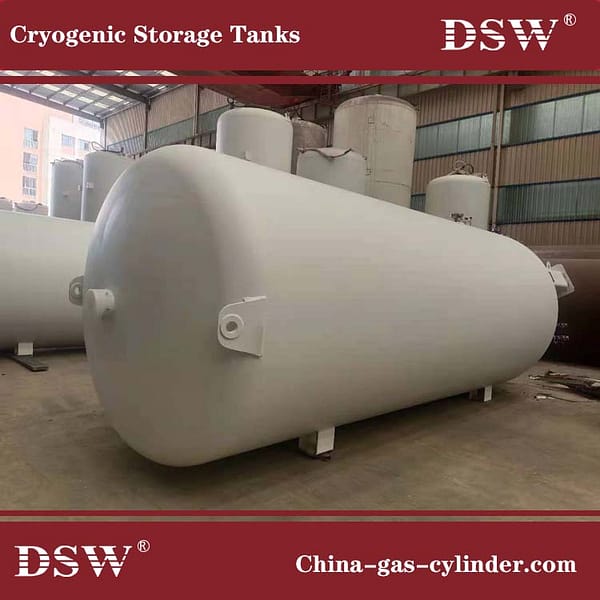
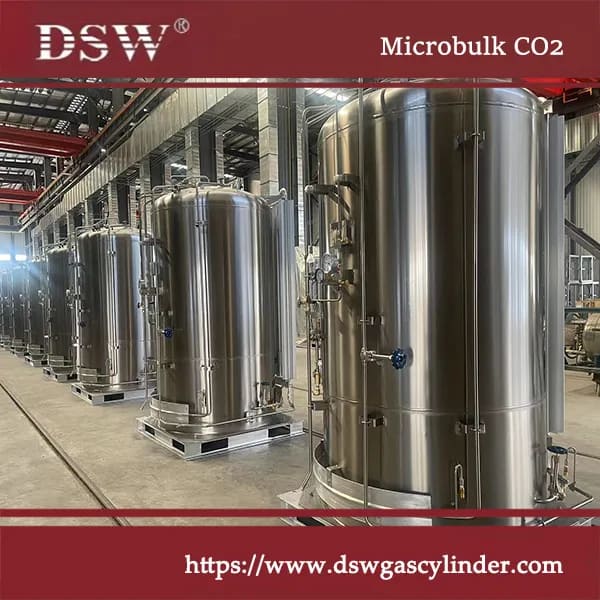
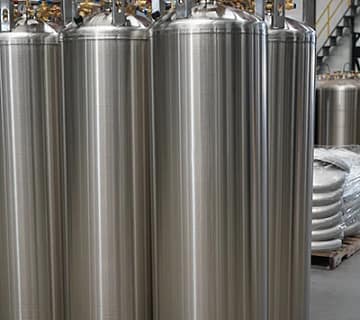
Gas Supply & Storage
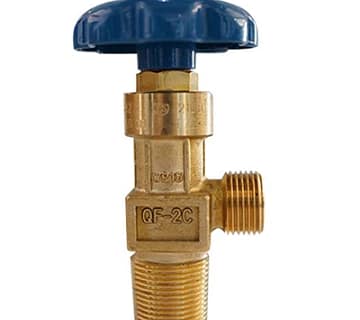
Reliable sterilization depends on high-purity ethylene oxide gas supply and proper storage systems.
- EtO cylinders or EtO/CO₂ mixtures
- Pressure-regulated delivery systems
- Leak detection and ventilation
- Explosion-proof storage design
Advantages
- Excellent material compatibility
- Deep penetration capability
- Effective against all microorganisms
- Industry-standard sterilization method
Limitations
- Long processing time
- Toxic and hazardous gas
- Strict regulatory requirements
- Residual gas removal needed
Safety & Regulatory Considerations
- ISO 11135 sterilization validation
- ISO 10993-7 residual limits
- OSHA exposure compliance
Proper safety systems include gas monitoring, ventilation, and automated process control.
EtO Sterilization Equipment
- Sterilization chambers
- Gas injection systems
- Vacuum and aeration units
- PLC control systems



: Process, Parameters, Equipment)
No comment