
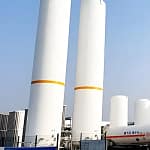
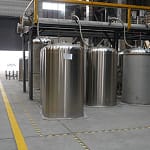

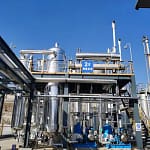


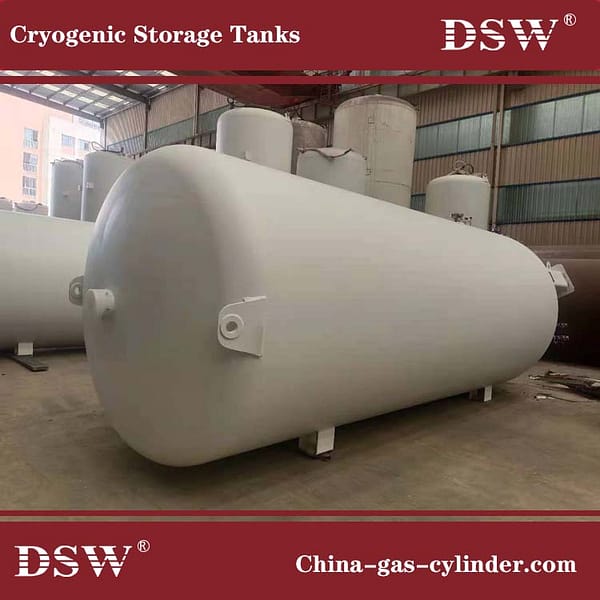

DSW specializes in cryogenic tank manufacturing for industrial gas, LNG, medical oxygen, food processing, energy, chemical, and manufacturing applications. We manufacture vacuum-insulated cryogenic storage tanks designed for the safe storage and controlled supply of liquid oxygen (LOX), liquid nitrogen (LIN/LN₂), liquid argon (LAr), LNG, liquid carbon dioxide (CO₂), and other compatible cryogenic liquids.
Our manufacturing capability covers stationary cryogenic storage tanks, bulk storage vessels, and customized pressure vessel systems. Tank capacity, design pressure, vessel configuration, piping arrangement, insulation system, instrumentation, and applicable standards can be specified according to project requirements.
For customers evaluating different tank designs and storage configurations, our Cryogenic Tanks Guide provides additional information about cryogenic tank construction, applications, sizing, insulation, and operation.
Cryogenic Tank Manufacturing
A cryogenic storage tank is a pressure vessel designed to contain liquefied gases at very low temperatures. Manufacturing therefore requires coordinated control of vessel materials, forming, welding, pressure integrity, vacuum insulation, piping, safety devices, and final inspection.
DSW manufactures cryogenic tanks according to the specified storage medium, capacity, operating conditions, installation requirements, and applicable pressure vessel standards. The manufacturing specification determines the vessel construction, material selection, wall thickness, nozzle arrangement, piping configuration, insulation system, testing requirements, and documentation.
Typical applications include bulk storage and supply systems for industrial gases, LNG infrastructure, medical oxygen installations, food processing facilities, and industrial manufacturing plants.
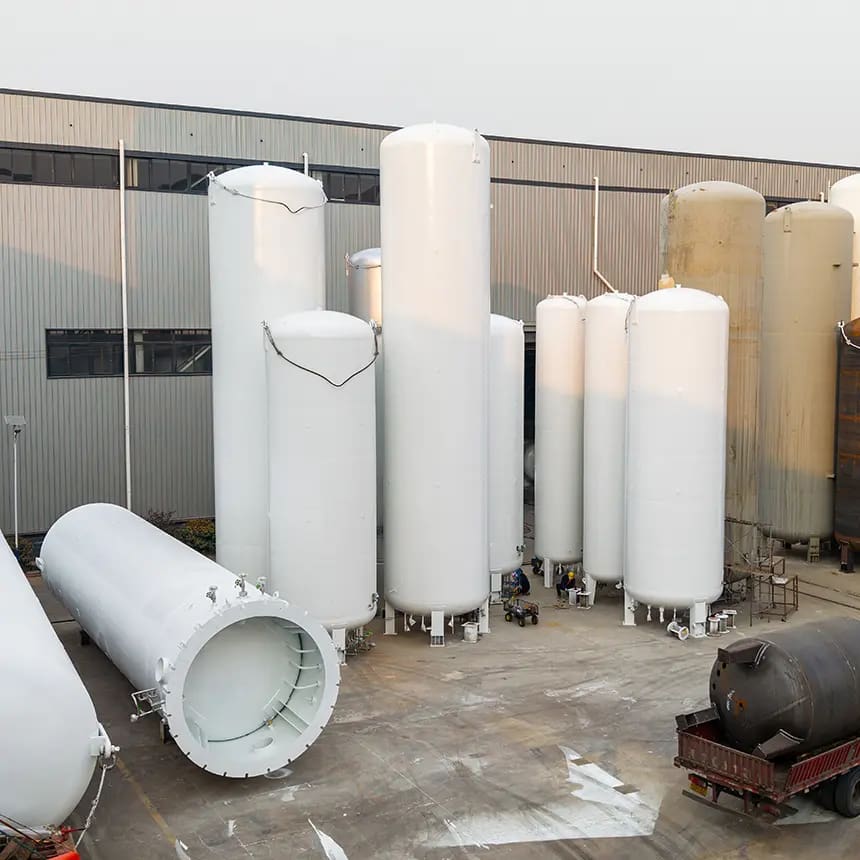
How Cryogenic Storage Tanks Are Manufactured
Reliable cryogenic tank manufacturing involves multiple controlled stages, from engineering review and material preparation to vessel fabrication, welding, insulation, testing, and final inspection.
| Manufacturing Stage | Main Activity | Quality Control |
|---|---|---|
| Engineering Review | Review capacity, pressure, temperature, medium, configuration, and applicable codes. | Drawing and specification review |
| Material Preparation | Material cutting, forming, preparation, and identification. | Material and dimensional verification |
| Vessel Fabrication | Inner and outer vessel shell, head, nozzle, and structural fabrication. | Dimensional inspection |
| Welding | Controlled welding of pressure-retaining and structural components. | Visual inspection and applicable NDT |
| System Assembly | Installation of piping, valves, gauges, safety devices, and instrumentation. | Assembly inspection |
| Vacuum Insulation | Assembly of the vacuum space and insulation system. | Vacuum and leakage checks |
| Pressure & Leak Testing | Testing of vessel integrity and system tightness. | Pressure, leak, and applicable NDT testing |
| Final Inspection | Final inspection, documentation, identification, and shipment preparation. | Final QA review |
1. Engineering and Design Review
Each cryogenic tank project begins with an engineering review of the required cryogenic medium, storage capacity, design pressure, operating pressure, design temperature, installation conditions, applicable standards, and customer specifications.
The approved design determines the vessel dimensions, material selection, wall thickness, heads, nozzles, support structure, piping configuration, insulation system, pressure-relief arrangement, instrumentation, and inspection requirements.
2. Material Preparation
Material selection is particularly important in cryogenic tank manufacturing because the inner vessel must maintain structural integrity at very low temperatures. Stainless steel is commonly used for the product-contact inner vessel because of its suitability for cryogenic service.
Materials are prepared according to the approved manufacturing drawings and specifications. Material identification and dimensional checks help ensure that the correct materials are used during vessel fabrication.
3. Inner and Outer Vessel Fabrication
A typical vacuum-insulated cryogenic tank consists of an inner pressure vessel surrounded by an outer shell. The inner vessel contains the cryogenic liquid, while the outer shell forms the enclosure for the insulation system and provides structural protection.
Shell sections, heads, nozzles, supports, and other components are formed and assembled according to the approved tank design. Dimensional accuracy is important because the inner and outer vessels must maintain the required clearances and alignment throughout assembly.
4. Pressure Vessel Welding
Welding is a critical stage of cryogenic pressure vessel manufacturing. Pressure-retaining welds must provide the required mechanical integrity and leak-tightness under the tank’s specified operating conditions.
Welding procedures, joint preparation, welding parameters, inspection requirements, and applicable non-destructive testing are controlled according to the approved manufacturing and quality requirements.
5. Cryogenic Piping and Component Assembly
After vessel fabrication, the tank is equipped with the required cryogenic piping, valves, pressure gauges, safety devices, filling connections, liquid outlets, gas outlets, and other specified components.
The piping and valve configuration depends on the cryogenic medium and intended application. LNG tanks, LOX tanks, LIN tanks, LAr tanks, and CO₂ tanks may therefore use different component configurations.
6. Vacuum Insulation
Vacuum insulation is fundamental to the thermal performance of a cryogenic storage tank. The vacuum space between the inner vessel and outer shell reduces heat transfer from the surrounding environment to the stored cryogenic liquid.
Maintaining vacuum integrity helps reduce heat input and liquid evaporation during storage. The insulation configuration is selected according to the tank design, operating conditions, and required thermal performance.
7. Testing and Final Inspection
Before shipment, completed cryogenic tanks undergo applicable inspection and testing according to the approved design, project specifications, and relevant standards.
Testing may include pressure testing, leak testing, vacuum testing, weld inspection, non-destructive testing, safety-device inspection, dimensional inspection, and final functional checks.
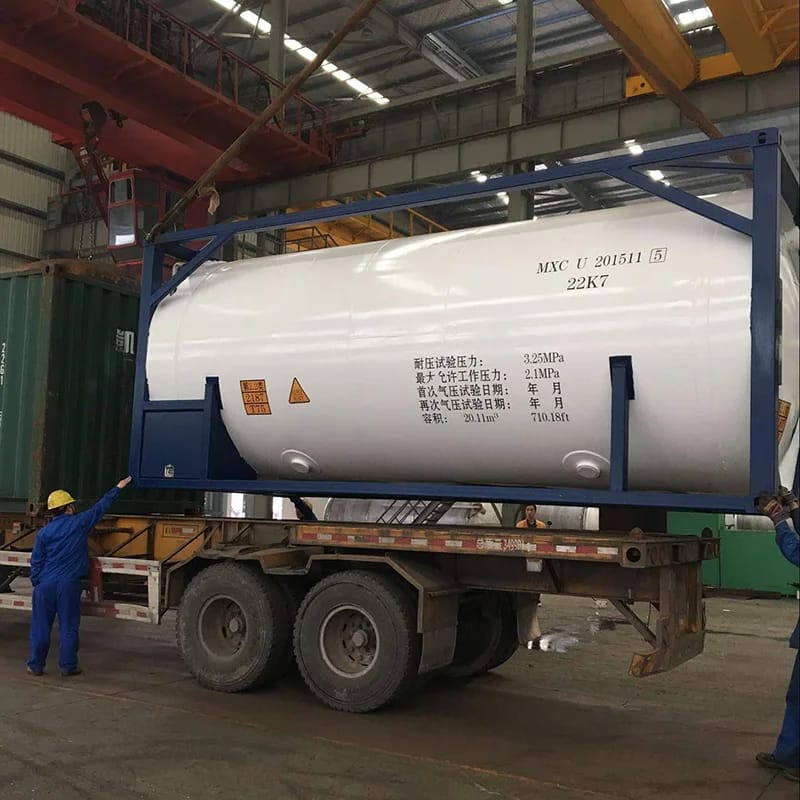
Cryogenic Tank Construction and Materials
Cryogenic tanks are engineered as integrated pressure vessel and thermal insulation systems. The main components work together to maintain pressure integrity, minimize heat transfer, and provide controlled liquid and gas connections.
Inner Pressure Vessel
The inner vessel contains the cryogenic liquid and is designed for the specified pressure and low-temperature operating conditions. Stainless steel such as SS304 or SS316 may be used according to the stored medium and project requirements.
Outer Shell
The outer shell surrounds the inner vessel and forms the enclosure for the vacuum insulation system. Carbon steel is commonly used for the outer vessel where appropriate for the installation environment and design.
Vacuum Insulation System
The vacuum space reduces conductive and convective heat transfer between the inner vessel and the external environment. Depending on the tank design, multilayer insulation may be incorporated to improve thermal performance.
Cryogenic Piping and Valves
Cryogenic piping connects the storage vessel with filling, liquid withdrawal, gas withdrawal, pressure-building, venting, and safety systems. Components must be suitable for the specified cryogenic temperature and pressure range.
Safety and Instrumentation
Pressure gauges, relief devices, isolation valves, and other instrumentation are selected according to the tank design and application. The final configuration depends on the stored medium, operating conditions, applicable standards, and customer requirements.
Cryogenic Tank Manufacturing Standards
Cryogenic tanks are pressure vessels, so the applicable design, fabrication, inspection, and certification requirements must be established before manufacturing begins.
Depending on the project and destination market, DSW can manufacture cryogenic tanks according to applicable requirements such as:
- ASME Section VIII pressure vessel requirements where specified
- PED / CE requirements for applicable European-market projects
- GB / GB/T Chinese standards where applicable
- ISO quality management requirements
- Third-party inspection when required by the project
- Customer-specific technical specifications and inspection requirements
The applicable code, certification, inspection scope, and documentation depend on the tank design, service conditions, destination market, and project requirements. Certification should therefore be confirmed for each specific tank configuration rather than assumed for every product.
Need a Custom Cryogenic Tank?
Send your tank specifications or project requirements to DSW for engineering and manufacturing review.
Cryogenic Tank Testing and Quality Control
Quality control is integrated throughout the manufacturing process. Inspection requirements are established according to the vessel design, applicable code, customer specification, and intended service.
Depending on the project, cryogenic tank inspection and testing may include:
- Material inspection and identification
- Dimensional inspection
- Weld visual inspection
- Radiographic testing (RT)
- Ultrasonic testing (UT)
- Other applicable non-destructive testing (NDT)
- Hydrostatic pressure testing
- Pneumatic testing where applicable
- Leak testing
- Helium leak testing where specified
- Vacuum testing
- Pressure retention testing
- Safety valve and relief-device inspection
- Final assembly inspection
Inspection records, test documentation, and certification documents can be supplied according to the applicable project requirements.
Cryogenic Tanks We Manufacture
DSW manufactures vacuum-insulated cryogenic storage tanks for several commonly used liquefied gases. The tank design and component configuration are selected according to the properties of the stored medium and the required operating conditions.
| Cryogenic Medium | Typical Application | Tank Type |
|---|---|---|
| Liquid Oxygen (LOX) | Medical oxygen, industrial gas supply, manufacturing | Vacuum-insulated stationary storage tank |
| Liquid Nitrogen (LIN / LN₂) | Industrial production, food processing, electronics | Vacuum-insulated bulk tank |
| Liquid Argon (LAr) | Welding, metal processing, manufacturing | Vacuum-insulated storage tank |
| LNG | Energy, LNG stations, industrial fuel supply | Vacuum-insulated LNG storage tank |
| Liquid CO₂ | Food, beverage, industrial and process applications | Cryogenic CO₂ storage tank |
Custom and OEM Cryogenic Tank Manufacturing
Standard tank configurations do not meet every installation requirement. DSW supports OEM and custom cryogenic tank manufacturing for customers with specific capacity, pressure, connection, layout, certification, or installation requirements.
Customization may include:
- Storage capacity
- Design pressure and working pressure
- Vertical or horizontal configuration
- Cryogenic medium
- Inner and outer vessel materials
- Nozzle and connection arrangement
- Cryogenic piping configuration
- Valve and instrumentation arrangement
- Pressure-relief system
- Support and foundation requirements
- Insulation configuration
- Applicable pressure vessel code
- Inspection and testing requirements
- Export and project documentation
Customers can provide technical specifications, drawings, tank dimensions, required capacity, applicable standards, or project requirements for engineering review.
Cryogenic Tank Manufacturing Applications
Industrial Gas Supply
Cryogenic bulk tanks provide on-site storage for liquid oxygen, nitrogen, and argon used in industrial gas distribution and manufacturing operations. Bulk storage can support a continuous supply system while reducing dependence on frequent cylinder deliveries.
Medical Oxygen Storage
Vacuum-insulated LOX storage tanks are used for hospitals and centralized medical gas systems where reliable bulk oxygen storage and controlled supply are required.
LNG and Energy Systems
Cryogenic LNG storage tanks support LNG storage and supply applications such as LNG stations, industrial energy systems, fuel infrastructure, and other LNG projects.
Food and Beverage Processing
Liquid nitrogen and liquid CO₂ are used in food freezing, food processing, preservation, beverage production, and related industrial applications. Bulk cryogenic tanks provide storage for these processes.
Chemical and Manufacturing Facilities
Industrial facilities may require bulk cryogenic liquids for production processes, inerting, cooling, welding, material processing, and other manufacturing operations.
Cryogenic Tank Manufacturing vs. Tank Supply
For large industrial projects, choosing a cryogenic tank manufacturer involves more than comparing storage capacity and purchase price. The manufacturing process affects pressure vessel integrity, vacuum performance, component compatibility, inspection documentation, and long-term operating reliability.
A qualified manufacturer should be able to explain how the tank is designed, which materials are used, how pressure-retaining welds are inspected, how vacuum integrity is tested, which standards apply, and what documentation is supplied with the completed vessel.
This manufacturing-focused approach allows project engineers and procurement teams to evaluate a cryogenic tank based on its actual engineering and production requirements rather than specifications alone.
Why Choose DSW for Cryogenic Tank Manufacturing?
Pressure Vessel Manufacturing
DSW manufactures cryogenic storage tanks as engineered pressure vessels, with manufacturing processes covering vessel fabrication, welding, insulation, piping, testing, and final inspection.
Vacuum-Insulated Cryogenic Technology
Our cryogenic storage tanks use vacuum-insulated construction to reduce heat transfer and support stable cryogenic liquid storage.
Custom and OEM Manufacturing
Tank capacities, pressures, configurations, connections, instrumentation, and inspection requirements can be adapted to project specifications.
Multiple Cryogenic Media
DSW manufactures storage solutions for commonly used cryogenic liquids including LOX, LIN/LN₂, LAr, LNG, and CO₂, subject to the applicable tank design.
Quality Control and Testing
Manufacturing inspection and testing are performed according to the applicable technical specifications, standards, and project requirements.
International Project Support
DSW supports international customers with project-specific manufacturing, inspection, documentation, packaging, and export requirements.
Cryogenic Tank Manufacturing Specifications
| Parameter | Typical Range / Option |
|---|---|
| Tank Type | Stationary vacuum-insulated cryogenic storage tank |
| Capacity | Approximately 5 m³ to 200 m³, depending on project requirements |
| Medium | LOX / LIN / LAr / LNG / CO₂ |
| Inner Vessel | SS304 / SS316 or specified cryogenic-compatible material |
| Outer Shell | Carbon steel or specified material |
| Insulation | High-vacuum / multilayer insulation system |
| Configuration | Vertical or horizontal, depending on project requirements |
| Design Temperature | Down to approximately -196°C for applicable cryogenic media |
| Standards | ASME / PED / CE / GB and project-specific requirements |
Note: Actual capacity, pressure, temperature, materials, dimensions, insulation configuration, standards, and testing requirements are determined by the specific cryogenic medium and project specification.
Related Cryogenic Tank Resources
For additional technical information, see the Cryogenic Tanks Guide for an overview of cryogenic tank construction, operation, sizing, insulation, components, and applications.
For engineering information about vessel configuration and design considerations, see our Cryogenic Storage Tank Design page.
To view DSW’s available cryogenic storage equipment, visit the Cryogenic Tanks product category.
Request a Cryogenic Tank Manufacturing Quote
If you are sourcing a cryogenic tank manufacturer for an industrial gas, LNG, medical, food, chemical, or manufacturing project, send us your technical requirements for review.
Useful project information includes the cryogenic medium, required capacity, design pressure, operating pressure, tank orientation, installation conditions, applicable standard, destination market, and required connections or instrumentation.
DSW can review your specifications and provide a suitable cryogenic tank manufacturing solution based on the required storage capacity, operating conditions, applicable standards, and project requirements.
Related Cryogenic Resources
Explore these resources for more detailed information about cryogenic equipment, system design, and storage technology
