




The global LNG storage tank market includes companies specializing in large-scale liquefied natural gas storage facilities, factory-built cryogenic tanks, LNG tank containers and transportation equipment. Choosing the right manufacturer depends on the required storage capacity, tank configuration, applicable standards, operating conditions and project location.
This guide introduces ten established companies active in LNG storage tank manufacturing, engineering or cryogenic equipment supply. It compares their main areas of expertise and explains what buyers should consider when selecting an LNG tank manufacturer or supplier.
Top 10 LNG Storage Tank Manufacturers Worldwide
The companies below are selected based on their involvement in LNG storage technology, cryogenic equipment manufacturing, LNG infrastructure engineering or transportation systems. This is an industry overview, not a verified ranking by revenue, production capacity or market share.
| Company | Country / Base | Main LNG Expertise |
|---|---|---|
| Linde Engineering | Germany | LNG process technology, cryogenic systems, and engineering |
| CB&I (McDermott) | United States | Large-scale LNG storage tank engineering and construction |
| IHI Corporation | Japan | Large LNG storage tanks and receiving terminal facilities |
| CIMC Enric | China | LNG storage equipment, tank containers, and transportation systems |
| Chart Industries | United States | Factory-built cryogenic tanks and LNG equipment |
| INOXCVA | India | Cryogenic storage tanks, vessels, and distribution equipment |
| Cryolor | France | Vacuum-insulated cryogenic storage and transport equipment |
| Wärtsilä | Finland | LNG storage and fuel systems, particularly for marine applications |
| ISISAN | Türkiye | Cryogenic pressure vessels and industrial gas equipment |
| Air Water | Japan | Industrial gas systems, cryogenic equipment, and related solutions |
1. Linde Engineering – LNG Process and Cryogenic Engineering
Headquarters: Germany
Linde Engineering is an international engineering company with extensive experience in gas processing, liquefaction technology and cryogenic systems. Its activities cover LNG production and processing facilities, gas treatment and related industrial infrastructure.
For LNG projects, Linde’s expertise is particularly relevant where storage equipment must be integrated with liquefaction, process engineering, refrigeration and gas-handling systems. Its role is broader than simply supplying a standalone storage vessel.
Main areas of expertise:
- LNG process and liquefaction technology
- Cryogenic engineering and gas processing
- Integrated LNG facility engineering
- Industrial gas and energy infrastructure
Suitable for: LNG projects requiring process engineering, integrated cryogenic systems and large-scale gas infrastructure.
2. CB&I (McDermott) – Large-Scale LNG Storage Tanks
Headquarters: United States
CB&I, operating within McDermott’s business, is widely associated with large-scale storage tank engineering and construction. Its LNG storage expertise is especially relevant to terminals and major energy infrastructure projects.
Large LNG storage tanks require specialized structural design, thermal insulation, foundation engineering, safety systems and construction management. Depending on project requirements, storage configurations may include single-containment, double-containment and full-containment designs.
Main areas of expertise:
- Large LNG storage tank engineering
- Above-ground LNG storage facilities
- Tank construction and project execution
- LNG terminal and energy infrastructure projects
Suitable for: LNG terminals, large-scale import and export facilities, and major energy infrastructure developments.
3. IHI Corporation – LNG Storage Tank Technology
Headquarters: Japan
IHI Corporation is a Japanese engineering and industrial company with experience in LNG receiving terminals and large cryogenic storage facilities. Its LNG-related work includes different tank configurations and infrastructure applications.
LNG storage tank projects require careful consideration of structural integrity, thermal performance, seismic conditions and site-specific safety requirements. IHI’s engineering background makes it relevant to large LNG storage and receiving terminal projects.
Main areas of expertise:
- Large LNG storage tank engineering
- Above-ground and underground storage configurations
- LNG receiving terminal infrastructure
- Industrial plant and energy engineering
Suitable for: Large LNG receiving terminals and infrastructure projects requiring specialized storage tank engineering.
4. CIMC Enric – LNG Storage and Transportation Equipment
Headquarters: China
CIMC Enric is an important Chinese supplier of energy equipment, pressure vessels and transportation solutions. Its product areas include equipment for natural gas storage, distribution and transportation.
Unlike companies focused mainly on large terminal storage tanks, CIMC Enric is also relevant to buyers looking for factory-built equipment and LNG transportation solutions. Depending on the product range and project, these may include LNG tank containers and other cryogenic equipment.
Main areas of expertise:
- LNG storage and transportation equipment
- LNG tank containers and related equipment
- Pressure vessels and cryogenic products
- Natural gas distribution systems
Suitable for: LNG logistics, industrial gas distribution, tank container procurement and transportation-related applications.
5. Chart Industries – Factory-Built Cryogenic Tanks and LNG Equipment
Headquarters: United States
Chart Industries is a global manufacturer of engineered equipment for cryogenic applications. Its product portfolio covers storage, distribution and handling equipment for industrial gases and energy-related markets.
Chart is particularly relevant to buyers seeking factory-built cryogenic storage equipment and LNG systems. Its equipment serves applications where thermal insulation, pressure control and reliable cryogenic operation are essential.
Main areas of expertise:
- Vacuum-insulated cryogenic storage tanks
- LNG storage and handling equipment
- Industrial gas storage and distribution systems
- Cryogenic process equipment
Suitable for: Industrial LNG storage, small- and mid-scale LNG applications, and cryogenic equipment procurement.
6. INOXCVA – Cryogenic Storage and Transportation Equipment
Headquarters: India
INOXCVA is an Indian manufacturer of cryogenic equipment serving industrial gas, energy and related markets. Its product areas include cryogenic storage and transportation equipment.
For LNG buyers, the company is relevant to factory-built cryogenic vessels and equipment used in storage, distribution and transportation applications. Buyers should compare the exact product configuration, capacity and applicable certification before selecting a model.
Main areas of expertise:
- Cryogenic storage tanks and vessels
- Industrial gas storage and distribution equipment
- Cryogenic transportation equipment
- Engineered cryogenic systems
Suitable for: Industrial cryogenic storage, gas distribution and transportation equipment projects.
7. Cryolor – Vacuum-Insulated Cryogenic Equipment
Headquarters: France
Cryolor specializes in cryogenic equipment for the storage and distribution of liquefied gases. Its product areas include vacuum-insulated storage tanks and equipment designed for industrial gas applications.
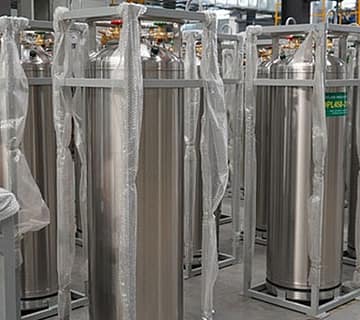
Vacuum insulation is an important technology for LNG storage because it reduces heat transfer into the cryogenic liquid. Tank design must also account for pressure, operating conditions, insulation performance and the requirements of the intended application.
Main areas of expertise:
- Vacuum-insulated cryogenic tanks
- Liquefied gas storage equipment
- Cryogenic distribution systems
- Industrial gas equipment
Suitable for: Industrial cryogenic storage and liquefied gas distribution applications.
8. Wärtsilä – LNG Storage and Marine Fuel Systems
Headquarters: Finland
Wärtsilä is an international technology company serving the marine and energy markets. Its LNG-related activities include gas handling, fuel systems and solutions for vessels and energy applications.
The company’s LNG expertise is especially relevant to marine applications, where storage systems must work within demanding space, safety and operational constraints. Marine LNG fuel tanks and large onshore LNG storage tanks are different product categories, even though both handle liquefied natural gas.
Main areas of expertise:
- Marine LNG fuel systems
- LNG handling and gas supply systems
- Energy and gas infrastructure solutions
- Marine and industrial engineering
Suitable for: Marine LNG fuel applications, vessel systems and energy projects.
9. ISISAN – Cryogenic Pressure Vessels and Storage Equipment
Headquarters: Türkiye
ISISAN is a manufacturer associated with pressure vessels and equipment for industrial gas and cryogenic applications. Its relevance to LNG procurement should be evaluated at the individual product level, including the available LNG tank designs and specifications.
For buyers comparing cryogenic tank suppliers, important considerations include vessel construction, insulation technology, design pressure, inspection procedures and compliance with the destination market’s regulations.
Main areas of expertise:
- Pressure vessels
- Cryogenic storage equipment
- Industrial gas equipment
- Engineered vessel solutions
Suitable for: Buyers evaluating cryogenic pressure vessels and industrial gas storage equipment.
10. Air Water – Industrial Gas and Cryogenic Equipment
Headquarters: Japan
Air Water is a Japanese industrial group with business activities in industrial gases, energy and related equipment. Its industrial gas operations and engineering activities make it relevant to the wider cryogenic gas supply and storage sector.
When considering Air Water for an LNG-related project, buyers should identify the specific business unit and equipment category involved. The company’s broader industrial gas presence should not be confused with a claim that every LNG tank type is manufactured directly by the same business unit.
Main areas of expertise:
- Industrial gases and gas supply
- Cryogenic and gas-related equipment
- Energy-related businesses
- Industrial gas infrastructure
Suitable for: Industrial gas and energy-related procurement where the required equipment falls within the relevant business unit’s product scope.
Types of LNG Storage Tanks
The term “LNG storage tank” covers several different types of equipment. A buyer comparing manufacturers should first identify the intended storage application because a large terminal tank, a factory-built cryogenic vessel and an LNG ISO tank container have different design requirements.
1. Large-Scale LNG Storage Tanks
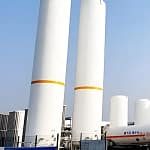
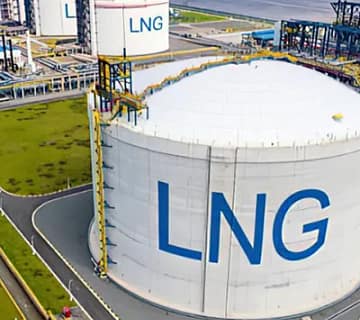
Large-scale LNG storage tanks are commonly installed at LNG import terminals, export facilities and major gas infrastructure sites. They are designed to store substantial quantities of liquefied natural gas under cryogenic conditions.
Depending on the project, storage tanks may use single-containment, double-containment or full-containment configurations. The selection depends on capacity, safety requirements, site conditions, regulations and project engineering.
These projects generally require specialized engineering, civil works, foundations, insulation systems, safety systems and on-site construction capabilities.
2. Small- and Mid-Scale LNG Storage Tanks
Small- and mid-scale LNG storage tanks support applications such as satellite LNG stations, industrial gas supply, distributed energy systems and regional LNG distribution.
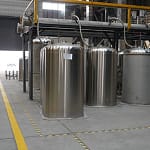
These tanks are typically factory-built and may use vacuum insulation or other engineered insulation arrangements. Their design depends on storage capacity, operating pressure, installation conditions and the intended LNG supply system.
3. LNG ISO Tank Containers
LNG ISO tank containers are designed for the transportation of liquefied natural gas by compatible road, rail and sea transport systems. They combine a cryogenic tank with a standardized container frame for handling and intermodal logistics.
The tank, insulation system, support structure, valves and safety devices must be designed for the relevant transport and operating conditions. Applicable requirements may include the relevant pressure vessel and dangerous goods transport regulations.
For buyers seeking transportable LNG storage equipment, an LNG ISO tank is a different procurement category from a large stationary LNG terminal tank.
4. LNG Transport Tanks and Semi-Trailers
LNG transport tanks are used to move liquefied natural gas from production facilities or storage locations to end users and distribution points. Depending on the application, the equipment may be mounted on a road vehicle, trailer or other transport platform.
An LNG semi-trailer is a trailer designed to be coupled to a tractor unit. It should not be treated as interchangeable with an ISO tank container or a stationary LNG storage tank.
Explore related tanker and semi-trailer equipment for transport applications.
Large LNG Tank Manufacturers vs. LNG Tank Container Suppliers
Not every LNG tank manufacturer serves the same market. Some companies focus on engineering and constructing large terminal storage tanks, while others manufacture factory-built cryogenic vessels and transportable LNG equipment.
| Equipment Category | Typical Application | Manufacturer Capabilities to Evaluate |
|---|---|---|
| Large LNG Storage Tanks | Import terminals and large energy facilities | Tank engineering, construction, insulation, and project execution |
| Small- and Mid-Scale LNG Tanks | Satellite stations and industrial storage | Pressure vessel fabrication, insulation, and system integration |
| LNG ISO Tank Containers | Intermodal LNG transportation | Cryogenic tank manufacturing, frame design, and transport compliance |
| LNG Transport Semi-Trailers | Road transportation and regional distribution | Tank fabrication, trailer engineering, and vehicle regulations |
A company with extensive LNG terminal construction experience may not be the best supplier for a transportable tank container. Similarly, a factory specializing in cryogenic pressure vessels may not have the capabilities required to construct a full-containment LNG terminal tank. Evaluate each manufacturer against the specific equipment type and project requirements.
How to Choose the Right LNG Storage Tank Manufacturer
Selecting an LNG storage tank manufacturer involves more than comparing prices or nominal tank capacities. Buyers should evaluate the manufacturer’s actual experience with the required equipment type, technical documentation, manufacturing quality and ability to meet local regulations.
1. Confirm the Manufacturer’s Product Scope
Ask whether the company manufactures large stationary LNG tanks, factory-built cryogenic vessels, LNG ISO tank containers or transport semi-trailers. Confirm that its production facilities and engineering team have experience with the specific equipment you need.
2. Check Design Codes and Certifications
Applicable standards depend on the tank configuration, pressure, transport method and destination market. For example, ASME Boiler and Pressure Vessel Code Section VIII and China’s GB 150 may apply to pressure vessel design and construction in relevant circumstances. Transportable tanks may also need to meet applicable international dangerous goods transport requirements, such as the relevant provisions for UN portable tanks.
Do not assume that one certificate automatically covers every tank design or destination. Ask for the actual certificates, design basis, inspection records and scope of approval for the proposed equipment.
3. Evaluate Tank Design and Insulation
LNG is stored at extremely low temperatures, so insulation performance is a key consideration. Depending on the design, the tank may use vacuum insulation, multilayer insulation or another engineered insulation system.
Review the design pressure, operating pressure, insulation arrangement, heat ingress, holding time, pressure-building system and safety devices against the intended application.
4. Review Manufacturing and Quality Control
Ask about material traceability, welding procedures, welder qualifications, non-destructive testing, pressure testing, vacuum testing where applicable and final inspection procedures. For critical LNG equipment, documented quality control is essential.
5. Compare the Complete Supply Scope
A quotation should clearly identify what is included, such as the inner vessel, outer shell, insulation, valves, instrumentation, piping, frame, accessories, documentation, inspection and delivery arrangements.
Comparing quotations on the same technical basis helps avoid selecting a lower-priced product that does not meet the actual project requirements.
DSW – LNG Tank Manufacturer and Supplier
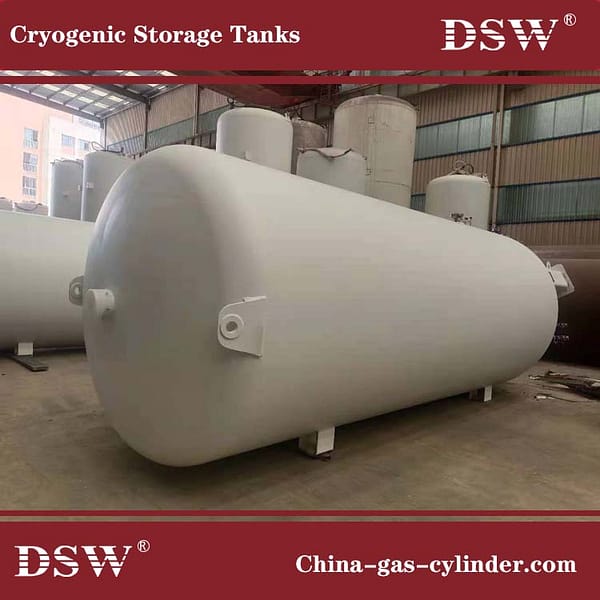
DSW supplies industrial gas storage and transportation equipment, with a focus on cryogenic tank products and LNG-related equipment. For buyers looking for LNG tank manufacturers and suppliers, the appropriate product should be selected according to the required storage or transportation application.
The LNG equipment scope relevant to DSW includes LNG tank containers and related cryogenic storage and transportation products. These products serve a different market from the very large full-containment tanks used at major LNG import and export terminals.
LNG Tank Containers and Cryogenic Equipment
LNG tank containers are designed to provide a transportable storage solution for liquefied natural gas. Their configuration combines a cryogenic vessel with a supporting frame and the equipment required for safe handling and operation.
When evaluating an LNG tank container, buyers should consider:
- Nominal capacity and usable filling volume
- Design pressure and normal operating pressure
- Inner vessel and outer shell materials
- Vacuum insulation design and insulation performance
- Valve arrangement, piping and safety accessories
- Applicable design, inspection and transport standards
- Required documentation and destination-market approvals
For more information about DSW’s product range, visit the LNG ISO tank product page and the cryogenic tank container category.
Discuss Your LNG Tank Requirements with DSW
The correct LNG tank configuration depends on how the equipment will be used, where it will operate and which regulations apply. DSW can review your project requirements and identify whether the requested equipment falls within its manufacturing and supply scope.
To help prepare a technical proposal, please provide:
- Required tank type: stationary tank, ISO tank container or transport tank
- Required capacity and dimensions
- Design pressure and operating pressure
- Applicable standards and certification requirements
- Country of installation or destination
- Required quantity and expected delivery schedule
Looking for an LNG tank manufacturer or supplier? Contact DSW with your technical requirements to discuss a suitable equipment configuration.
TECHNICAL QUESTIONS
FAQs About LNG Storage Tank Manufacturers
Companies active in the global LNG storage and cryogenic equipment sector include Linde Engineering, CB&I (McDermott), IHI Corporation, CIMC Enric, Chart Industries, INOXCVA, Cryolor, Wärtsilä, ISISAN and Air Water. Their capabilities differ: some specialize in large LNG storage facilities, while others focus on factory-built cryogenic equipment, transportation systems or marine LNG applications.
DSW is a China-based supplier of LNG storage tanks and cryogenic transportation equipment, serving customers in India and international markets. The company offers customized equipment to meet project requirements, with applicable standards and certifications including ISO, GOST, BV and TPED, depending on the product.
Leading LNG tank manufacturers include Linde Engineering, McDermott (CB&I), IHI Corporation, CIMC Enric, Chart Industries, INOXCVA and Cryolor. Their expertise ranges from large-scale LNG storage tanks to factory-built cryogenic tanks and transportation equipment. The best choice depends on your required capacity, application, technical specifications and applicable certifications.
Choose a supplier with proven manufacturing experience, relevant certifications and strong quality control. Compare tank specifications, insulation performance, design standards and customization options. Also consider delivery capabilities, technical support and experience serving your target market.
Review its manufacturing experience, quality management system, material traceability, welding qualifications, inspection and testing procedures, product documentation and relevant certifications. Where possible, request project references and evidence of completed equipment similar to your application.



No comment