




ABOUT DSW INTERNATIONAL
Solutions for Gas Storage
DSW International is a China-based supplier and manufacturer of gas cylinders, cryogenic tanks, and gas transportation equipment for industrial, medical, energy, food, chemical, and specialty gas applications.
Based in Ningbo, Zhejiang, DSW works with gas distributors, industrial companies, equipment dealers, engineering companies, OEMs, and project contractors in international markets. Our product portfolio covers high-pressure gas cylinders, cryogenic storage tanks, Dewar cylinders, microbulk systems, ISO tank containers, cryogenic tanker trailers, vaporizers, and related gas handling equipment.
Our focus is straightforward: provide reliable equipment, appropriate specifications, consistent quality, and practical support for customers sourcing gas storage and transportation equipment from China.
- Quality
- Accuracy
- Safety
- Reliance
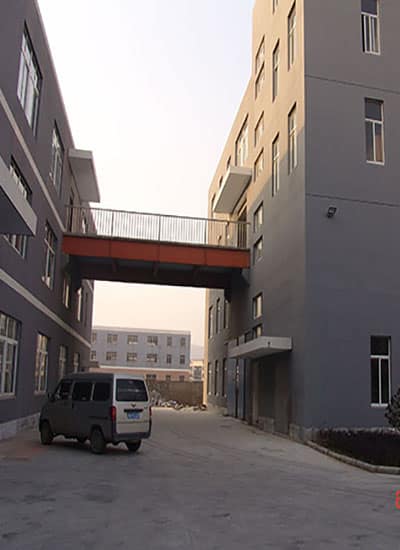
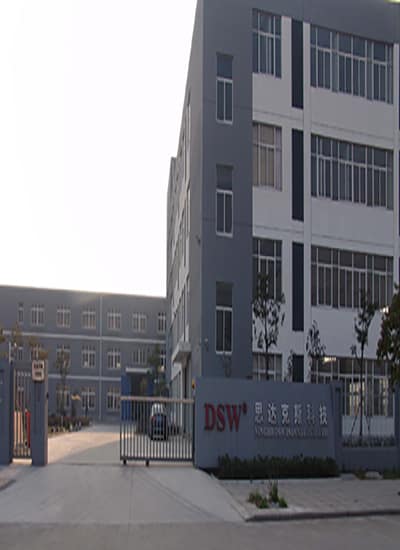
Cryogenic Tanks & Gas Cylinders
Cryogenic Equipment
DSW supplies equipment for different stages of industrial gas storage, handling, and transportation.
Products can be supplied individually or configured as part of a larger gas storage or distribution system.
Gas Cylinders
Microbulk Systems
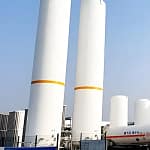
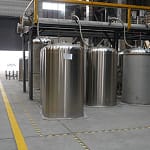
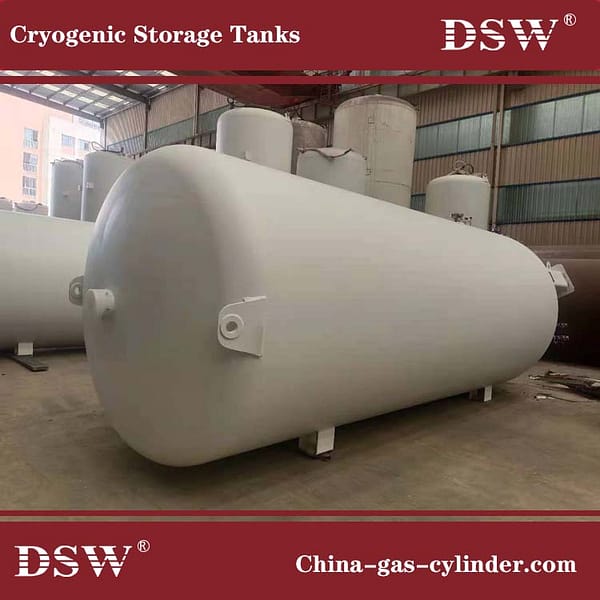
Cryogenic Tanks
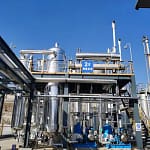
Gas Handling Equipment
These products can be supplied individually or configured as part of a complete cryogenic storage and supply system according to the customer’s gas type, capacity, pressure, consumption, and application.
Cryogenic Trailers & ISO Tank Containers
Gas Transportation Equipment
DSW supplies equipment for transporting compressed and liquefied gases by road and via containerised logistics.
Cryogenic Tanker Trailers
Tube Trailers
ISO Tank Containers
Transportation equipment can be configured according to gas type, capacity, operating pressure, applicable standards, transportation conditions, and destination market.
Cryogenic Tanks & Gas Cylinders
WHAT US DSW?
Ningbo DSW International Co., Ltd. has been included in the China Export Leading Indicator survey sample since 2019,
providing export-related business data for the survey.





ABOUT US
Cryogenic Tank & Gas Storage Solutions
Cryogenic storage requirements vary significantly depending on the gas, storage capacity, consumption rate, operating pressure, application, and destination market.
DSW supports customers in selecting suitable cryogenic tanks and related equipment for gases such as liquid nitrogen, liquid oxygen, liquid argon, liquid carbon dioxide, LNG, and other liquefied gases.
Depending on the application, a cryogenic storage system may include storage tanks, vaporizers, valves, pressure control equipment, piping, monitoring devices, and other supporting components.
Our role is to help customers match the equipment configuration with their actual operating and project requirements rather than simply supplying a standard product.
Manufacturing & Engineering Capability
DSW works with manufacturing and engineering teams in China to support gas cylinder, cryogenic tank, and related gas equipment projects. Our capabilities cover product selection, technical specification, production coordination, quality inspection, documentation, and export support.
For gas cylinders and cryogenic tanks, specifications must be matched to the gas service, working pressure, capacity, operating temperature, applicable standards, and destination market.
| Capability | Details |
|---|---|
| Gas Cylinder Production | Up to 600,000 gas cylinders per month |
| Cryogenic Tank Manufacturing | Industrial and custom cryogenic storage tanks |
| Engineering | Custom design, pressure vessel engineering and OEM support |
| Quality Control | Pressure testing, NDT, inspection and quality assurance |
For detailed information about our cryogenic tank production, engineering and quality-control processes, see our cryogenic tank manufacturing capabilities.
Why Customers Work With DSW
International gas equipment projects require specifications to match the gas, pressure, capacity, operating conditions, standards, and destination market.
DSW coordinates these requirements with the appropriate engineering and manufacturing resources.
Technical Specification Support
We help define key requirements, including gas type, capacity, pressure, temperature, connections, materials, and standards.
Manufacturing Coordination
We coordinate specifications and production requirements for standard, customized, OEM, and project-based orders.
Quality & Documentation
Inspection, testing, certification, technical documentation, packaging, and export requirements can be coordinated according to the project.
International Project Support
DSW supports communication among customers, engineers, manufacturers, inspectors, and logistics providers as required.
Quality & International Standards
Safety and regulatory compliance are fundamental considerations when sourcing pressure and cryogenic equipment. Depending on the product and destination market, DSW supplies equipment manufactured according to applicable international and national standards.Depending on the specific product and application, relevant standards and requirements may include:
- ISO standards for gas cylinders and cryogenic equipment
- DOT requirements for applicable U.S. market products
- TPED requirements for applicable European transportable pressure equipment
- CE requirements where applicable
- EN standards for relevant European-market products
- GB standards for applicable products manufactured for the Chinese market
- ASME requirements for applicable pressure vessels and cryogenic tanks
Certification and inspection requirements depend on the specific product, design, service conditions, and destination market. Customers can provide their required standard or certification before quotation so that the appropriate product configuration can be evaluated.
Serving International Gas Equipment Markets
DSW supplies customers in international markets across Asia, Europe, the Middle East, Africa, North America, South America, and other regions.
Our customers include industrial gas companies, gas distributors, equipment dealers, engineering companies, OEMs, and project contractors.
We support both standard product sourcing and project-specific requirements, depending on the customer’s technical specifications and purchasing needs.
For international orders, DSW can also coordinate product documentation, inspection, packaging, shipping arrangements, and export requirements.
From Individual Equipment to Complete Projects
Different customers require different levels of gas storage and transportation equipment. An industrial user may need a small number of high-pressure cylinders, while a gas distributor or industrial project may require cryogenic storage tanks, vaporizers, pumps, valves, and transportation equipment.
DSW therefore approaches each project according to the customer’s actual operating requirements.
Typical project information includes:
- Gas type and purity
- Required storage capacity
- Gas consumption rate
- Working and design pressure
- Operating temperature
- Application
- Required standards and certifications
- Destination market
- Transportation and installation requirements
Based on these requirements, DSW can help customers identify suitable gas cylinders, cryogenic tanks, transport equipment, and related gas handling components.
WHAT THEY SAY?
TESTIMONIALS
DSW International always has what we need at the right price. Jon is a great help even when it’s hard to find. From the office to Cathy or anyone else in the back, its always a pleasure to order things that you know will be right at the time

John AlabertaIndustrial Factory
This company has been in the gas equipment field for a long time. They really understand how the market works. People stick with them because the tanks are steady and the support is simple and helpful.

Islamic Republic of Iran
The team offers storage and transport solutions that work in everyday conditions. No fancy talk, just practical gear that does its job. They answer quickly when customers have questions.
Nicolas CageIndustrial Inc.
Markets & Export Support
DSW supplies customers in international markets across Asia, Europe, the Middle East, Africa, North America, South America, and other regions.
Our customers include:
- Industrial gas companies
- Gas distributors
- Equipment dealers
- Engineering companies
- OEMs
- Project contractors
- Industrial equipment users
We support both standard product sourcing and project-specific requirements, depending on the customer’s technical specifications and purchasing needs.
Need Gas Storage or Transportation Equipment?
Tell us your gas type, required capacity, operating pressure, application, destination market, and applicable standards.
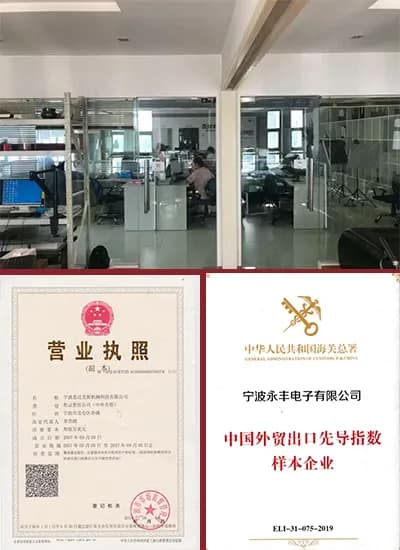
China General Administration of Customs announced a new round of survey sample enterprises of China Export Leading Indicator. Ningbo DSW International Co.,ltd is one of the enterprises on the list from 2019, providing fresh “China data” for this indicator survey in the future.
Our technicians are fully trained in the many fields of industrial gas tanks, cryogenic tanks, and various gases. Our technicians are available 24 hours a day, seven days a week, to assist you.
We can assist you in the finding of new resource, the total solution of your complete equipment system, and even building of new plant.
DSW International has been our go-to resource for gas tanks and cryogenic equipment installation for years; the best company in the World.


