





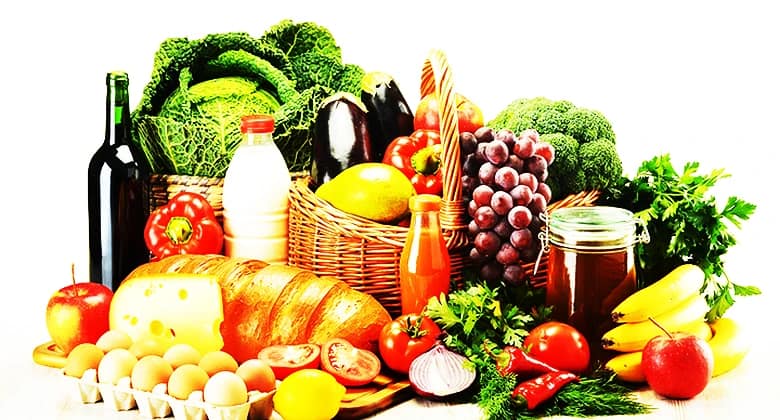
The food and beverage industry is one of the key sectors featured in our Industries We Serve resource center. Industrial gases are widely used throughout food processing, packaging, storage, transportation, and distribution to improve product quality, extend shelf life, maintain freshness, and support food safety compliance.
From modified atmosphere packaging (MAP) and cryogenic freezing to beverage carbonation and cold-chain logistics, food-grade gases play a critical role at every stage of the supply chain. These gas solutions help manufacturers reduce spoilage, preserve product appearance, enhance taste and texture, and improve overall operational efficiency.
By partnering with a reliable supplier, businesses gain access to certified food-grade gases that meet international purity and safety standards. This supports compliance with HACCP, ISO 22000, FDA, and EFSA requirements while helping companies reduce waste, optimize production processes, and maintain consistent product quality.
Why Gases Matter in Food Safety and Quality
Industrial gases are essential throughout food processing — from packaging to freezing, storage, and transportation. They help maintain texture, aroma, colour, taste, and microbiological safety while extending shelf life and improving logistics efficiency.
- Preserve freshness and shelf life
- Improve food appearance and texture
- Prevent spoilage and oxidation
- Reduce product waste and improve logistics
Industrial gases like nitrogen (N₂) and carbon dioxide (CO₂) are widely used in food packaging to preserve freshness and extend shelf life.

Gases Used in the Food & Beverage Industry
The most commonly used gases are Carbon Dioxide (CO₂) and Nitrogen (N₂). Other gases such as Oxygen (O₂), Nitrous Oxide (N₂O), Ethylene (C₂H₄), and Sulfur Dioxide (SO₂) also support specific applications.
Industrial gases like CO₂ and nitrogen are essential in food and beverage processing for preserving freshness, extending shelf life, and ensuring product safety and quality.
| Gas | Application | Benefits |
|---|---|---|
| Carbon Dioxide (CO₂) | Modified Atmosphere Packaging (MAP), beverage carbonation, dry ice transport | Controls bacterial growth, extends shelf life |
| Nitrogen (N₂) | MAP packaging, liquid nitrogen freezing, nitrogen blanketing | Prevents oxidation, protects delicate products, maintains freshness |
| Gas Blends (CO₂ + N₂) | MAP gas mixtures for cheese, meats, baked goods | Custom mixtures improve quality and prevent package collapse |
| Oxygen (O₂) | Fresh red meat packaging | Maintains bright red colour |
| Ethylene (C₂H₄) | Fruit ripening and storage | Regulates ripening; ensures consistent quality and optimal market readiness |
| Sulfur Dioxide (SO₂) | Preservation of dried fruits, wine, and beer | Inhibits bacterial and mould growth; extends product stability under controlled levels |
Carbon Dioxide (CO₂) – Shelf Life Extension & Carbonation
Carbon dioxide is widely used due to its bacteriostatic properties, limiting growth of mould, bacteria, and yeast. CO₂ plays a major role in Modified Atmosphere Packaging (MAP), beverage carbonation, chilling, and freezing using dry ice.
Modified Atmosphere Packaging (MAP)
CO₂ replaces oxygen inside packaging, reducing spoilage and maintaining product quality.
Typical MAP mixtures:
- Hard cheese: 80% CO₂ / 20% N₂
- Soft cheese: 40–60% CO₂ / balance N₂
Benefits:
- Extends shelf life
- Maintains color and firmness
- Reduces mould growth
Beverage Carbonation (CO₂)
Used in:
- Soft drinks
- Sparkling water
- Beer and cider
Only beverage-grade CO₂ is used to ensure taste consistency and quality.
Cryogenic Chilling & Freezing (Dry Ice / CO₂ Snow)
CO₂ is used in:
- CO₂ tunnel freezers
- Dry ice pellets
- CO₂ snowhorns
Ideal for:
- Seafood
- Baked goods
- Dairy products
✨ Benefits:
- Fast cooling
- Less dehydration and structural damage
- Ideal for export transport

Nitrogen (N₂)
Nitrogen is inert and prevents oxidation, moisture loss, and spoilage. Liquid nitrogen is also used for cryogenic freezing at -196°C, preserving texture and nutrients.
Applications of Nitrogen:
- Cryogenic freezing (LN₂): Instant freezing to preserve texture and flavour.
- MAP packaging: Prevents oxidation and packet collapse.
- Nitrogen infusion beverages: Creates smooth texture in coffee and beer.
- Inerting/blanketing: Protects oils, beverages, powders from oxidation.
MAP Packaging (Modified Atmosphere Packaging)
Nitrogen is used to replace oxygen inside packaging to prevent spoilage and oxidation.
Example:
- Snacks, chips, roasted coffee — 100% nitrogen (N₂)
Benefits:
- Prevents package collapse
- Maintains aroma and crunch
- Extends shelf life
Nitrogen Infusion for Beverages (Smooth Texture)
Nitrogen creates micro-bubbles that produce a creamy mouthfeel.
Used in:
- Nitro coffee
- Nitro beer / stout
- Premium ready-to-drink beverages
Nitrogen Blanketing / Inerting
Nitrogen is used to fill the headspace of storage tanks to prevent oxidation.
Used for:
- Oils and fats
- Coffee and cocoa powder
- Beverage syrups
Ethylene – Natural Ripening Control
Known as the “ripening hormone”, ethylene plays a vital role in the controlled ripening of fruits such as bananas, tomatoes, and avocados.
Low-level ethylene monitoring is crucial since it dictates the timing and uniformity of ripening.
- Too much ethylene can accelerate softening and lead to overripe or spoilt produce.
- Too little ethylene may result in under-ripened fruit that lacks flavour and appeal.
By precisely regulating ethylene levels in storage and transportation, producers can deliver fruit with optimal colour, texture, and taste, reducing waste and ensuring consistent product quality.
Sulfur Dioxide – Controlled Preservation for Sensitive Products
While sulfur dioxide can be hazardous in large concentrations, small, regulated amounts play a valuable role in food preservation. It effectively inhibits the growth of bacteria, yeasts, and moulds, helping maintain product stability and safety.
Sulfur dioxide is most commonly used in:
- Dried fruits – to preserve colour and prevent microbial spoilage
- Wine and beer – as an antimicrobial and antioxidant agent to stabilise flavour and extend shelf life
Food and beverage producers must adhere to region-specific regulations to ensure that SO₂ levels remain within safe and approved limits, safeguarding both product quality and consumer health.
Benefits of Using Food-Grade Gases
Food gases help manufacturers achieve:
| Benefits | Why It Matters |
|---|---|
| Longer shelf life | Reduces waste and improves logistics |
| Better taste and appearance | Maintains freshness, aroma, and colour |
| Food safety | Prevents oxidation and bacterial growth |
| Cost efficiency | Less spoilage, fewer product returns |
Choosing a Reliable Food-Grade Gas Supplier
Partnering with a certified food-grade gas supplier ensures consistency, purity, and safety at every stage of production. Reliable suppliers provide technical support, compliance documentation, and stable delivery, helping manufacturers maintain the highest standards of quality and efficiency across the global food chain.